The Business of Streaming and Media Trends
Introduction to Streaming Services
The End of the Rewind Button
Remember waiting for your favorite song on the radio or setting a VCR to record a TV show? For a long time, media was tied to a schedule or a physical object like a tape or disc. Streaming changed all of that.
At its core, streaming is a way of delivering audio and video content over the internet in real-time. Instead of downloading a whole file to your device before you can watch or listen, the data arrives in a continuous flow, or "stream." Your device plays the first bit of data while the next bit is arriving. This simple idea completely remade how we interact with entertainment.
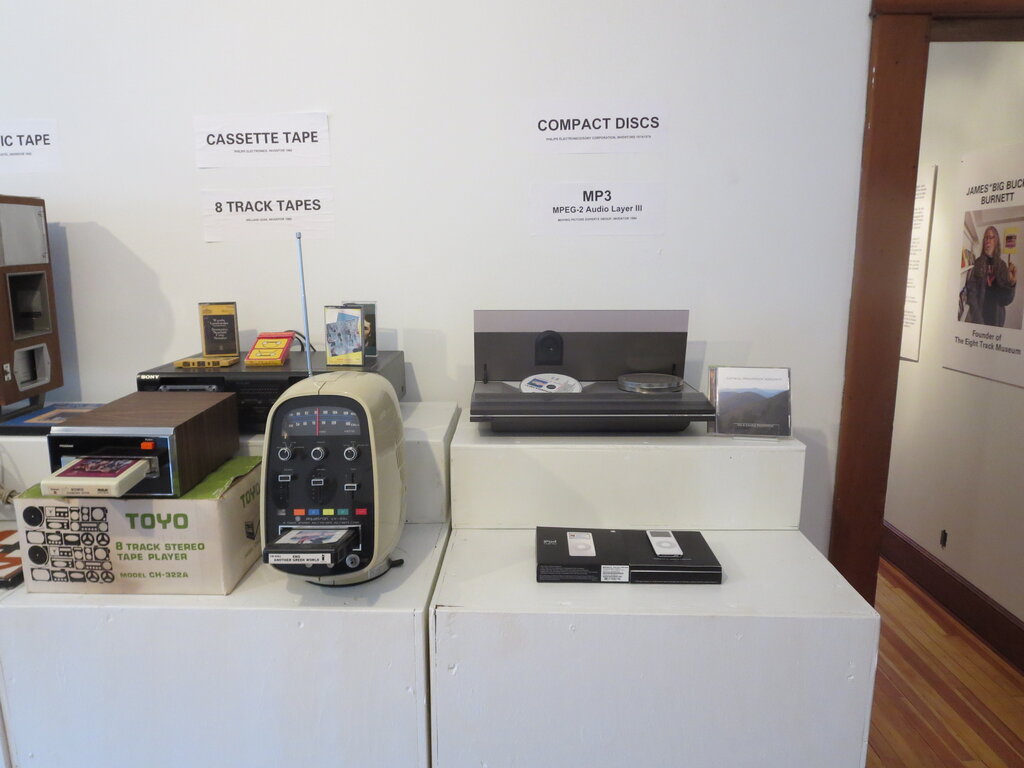
The journey from physical media to streaming was gradual. First, dial-up internet made downloading a single song a lengthy process. Then, faster connections allowed services like YouTube to emerge in the mid-2000s, popularizing online video. But the real revolution began when companies figured out how to offer huge libraries of content, on-demand, for a monthly fee.
Meet the Major Players
Today, a few key companies dominate the streaming landscape. Netflix, which started as a DVD-by-mail service, pivoted to streaming in 2007 and became a giant in television and film. It changed our viewing habits, popularizing the idea of "binge-watching" an entire season in one go.
In the music world, Spotify did something similar. Launched in 2008, it offered access to millions of songs, ending the need for most people to buy individual tracks or albums. It also curated playlists and used algorithms to help listeners discover new music, acting as a personal DJ.
Soon, other giants entered the fray. Amazon bundled its video streaming service with its Prime membership, while Disney launched Disney+ to leverage its massive catalog of beloved films and franchises. This created a highly competitive market where platforms fight for subscribers by producing exclusive original content and securing rights to popular shows and movies.
| Platform | Primary Content | Streaming Launch |
|---|---|---|
| Netflix | TV Shows & Movies | 2007 |
| Spotify | Music & Podcasts | 2008 |
| Amazon Prime Video | TV Shows & Movies | 2011 |
| Disney+ | TV Shows & Movies | 2019 |
How Streaming Changed Everything
The shift to streaming has had a massive impact. It accelerated the decline of physical media like DVDs and CDs and challenged the dominance of traditional cable television, leading many people to "cut the cord."
Our behavior as consumers changed, too. We now expect instant access to a near-limitless library of content on any device, from our TVs to our phones. This on-demand culture means we are no longer tied to a broadcaster's schedule. Prime time is whenever we decide it is.
What is revolutionary about on-demand streaming in general and Netflix in particular is that the service has commoditized time: on Netflix Sunday at 9pm is no different than Tuesday at 11am or Friday at 6pm; there is no prime time.
Streaming also broke down geographical barriers. A hit show from South Korea or Spain can now find a global audience overnight. Likewise, an emerging artist from anywhere in the world can upload their music to Spotify and be discovered by listeners thousands of miles away. It created a more connected, global culture of entertainment.

Now let's test your knowledge on the basics of streaming services.
What is the core technical difference between streaming and downloading a media file?
Which company, originally a DVD-by-mail service, was a pioneer in popularizing subscription-based video streaming and binge-watching?
The rise of streaming marks one of the most significant shifts in media history, putting more power than ever in the hands of the viewer and listener.