The Business of Streaming and Media Trends
Streaming Industry Overview
The Digital Takeover
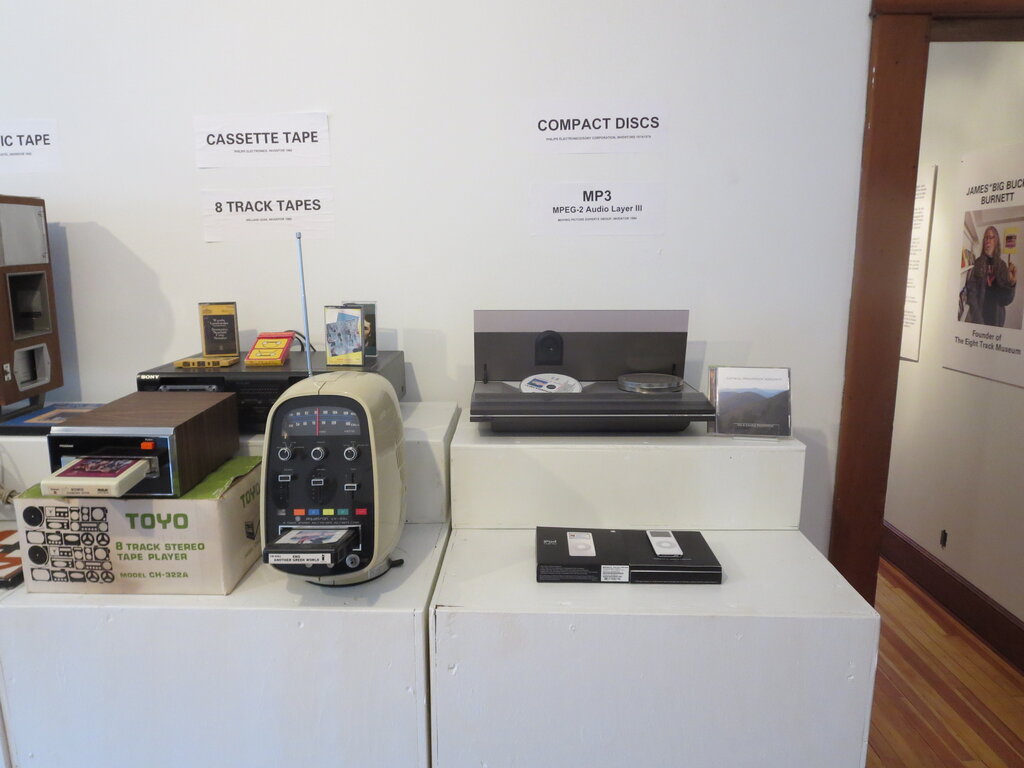
Not long ago, our entertainment was dictated by schedules. We waited for 8 PM on a Tuesday to watch our favorite show. We drove to the store to buy a CD or movie. Our access to media was tied to physical objects and rigid timetables.
Then came the internet, and everything changed. The shift from traditional media to digital streaming wasn't just a small step; it was a giant leap. It put us in control. Instead of waiting for a network to air a show, we could watch it on-demand, anytime we wanted. Instead of owning a fragile disc, we gained access to vast libraries of music and film stored in the cloud.
This revolution didn't happen overnight. It was powered by key technological advancements. The most important was the spread of high-speed internet. Suddenly, sending and receiving large files—like a high-definition movie—went from a slow, frustrating process to a seamless one. At the same time, smartphones, tablets, and smart TVs became common, giving us screens everywhere. We were no longer tied to the living room couch; we could watch and listen on the bus, at the gym, or in a coffee shop.
Meet the Major Players
A few pioneering companies saw this new potential and built empires on it. In video streaming, Netflix is the name everyone knows. It started by mailing DVDs but famously pivoted to become the giant of on-demand television and movies. It was soon joined by competitors like Hulu, Amazon Prime Video, and later, Disney+, each carving out their own space in the market.
In the audio world, Spotify and Apple Music did for music what Netflix did for video. They replaced the need to buy individual songs or albums with a simple monthly subscription. For a flat fee, you could listen to almost any song ever recorded. This model fundamentally changed the music industry.
The streaming market is massive and continues to grow at a staggering pace. It’s a global industry with hundreds of millions of subscribers worldwide. This growth isn't just about adding more users; it’s also about the sheer volume of content. Streaming services are now major producers of original movies, shows, and podcasts, leading to what many call the "streaming wars" as they compete for our attention and subscription dollars.
The media landscape is fundamentally transformed by streaming and on-demand consumption.
How We Watch and Listen Now
Streaming hasn't just changed how media is delivered; it has changed how we consume it. The concept of "binge-watching"—watching multiple episodes of a series in one sitting—didn't exist in the era of weekly broadcast schedules. Now, it's a common way to enjoy a new show.
Our experience is also intensely personal. Streaming platforms use sophisticated algorithms to analyze our viewing and listening habits. They track what you watch, what you skip, and when you pause. This data is used to recommend new content tailored specifically to your tastes. The homepage of your Netflix or Spotify account looks completely different from anyone else's.
This deep level of personalization has become a cornerstone of the streaming experience, keeping users engaged and subscribed.
This data-driven approach is what makes streaming feel so intuitive. It creates a feedback loop: the more you watch or listen, the better the service gets at predicting what you'll enjoy next. It's a powerful model that has reshaped our expectations for entertainment entirely.
What was the most crucial technological development that made the widespread adoption of media streaming possible?
How do streaming platforms like Netflix and Spotify create a personalized user experience?
The streaming industry is built on a foundation of technology, new business models, and a deep understanding of consumer behavior. It has fundamentally altered how we interact with media, putting a world of content right at our fingertips.