The Business of Streaming and Media Trends
Streaming Industry Overview
From Discs to Digital
Not long ago, watching a movie at home meant a trip to Blockbuster. Listening to a new album involved buying a CD and unwrapping the plastic. Media was something you owned, a physical object that took up space on a shelf. This world of discs and tapes was built around ownership and scarcity. If a video store's copies of a new release were all rented out, you were out of luck.
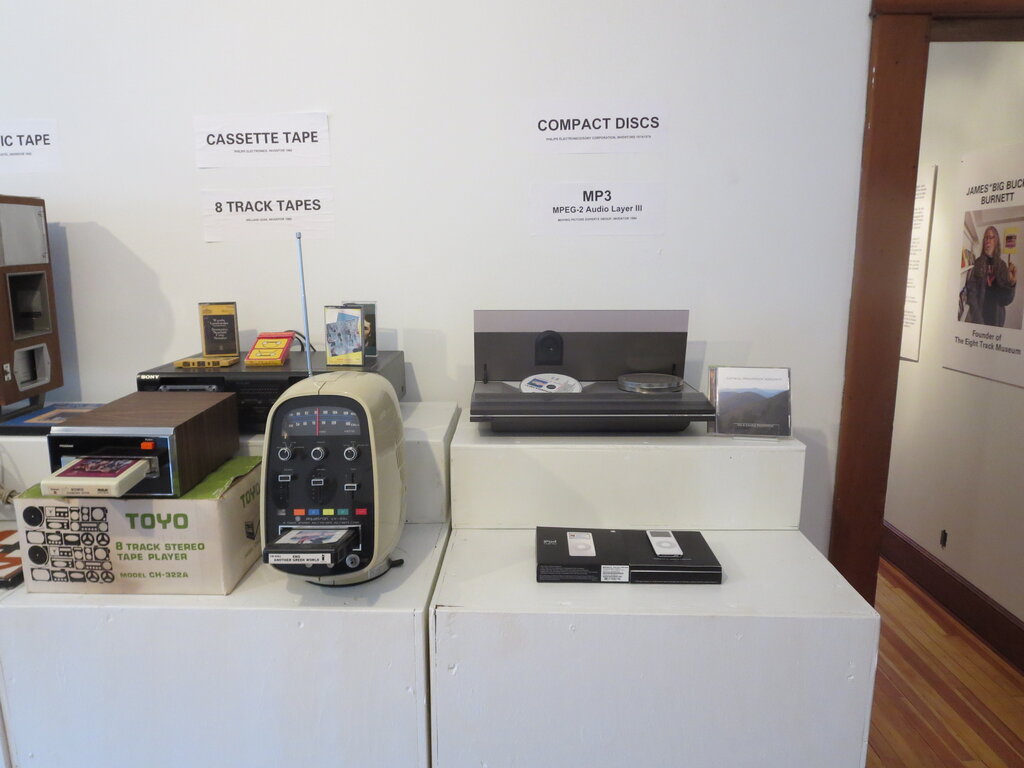
The shift began quietly. In the late 1990s and early 2000s, companies started experimenting with a new idea: sending media over the internet. Netflix, for instance, began as a service that mailed DVDs to your home. But its founders saw a future where you wouldn't need a disc at all. You could just press play.
Early streaming was clunky. Internet connections were slow, and video would often buffer endlessly. But as technology improved, the experience got better. The convenience was undeniable. An entire library of movies, shows, and music became available on-demand, without ever leaving the couch.
The Disruption
Streaming didn't just offer a new way to consume media; it completely upended the old guard. Traditional television relied on schedules. You had to be on your couch at 8 PM on a Thursday to catch your favorite show. Cable companies bundled hundreds of channels together, forcing you to pay for many you never watched. The music industry relied on album sales.
Streaming services broke these models. They introduced binge-watching, releasing entire seasons of shows at once. They unbundled content, letting users choose what to watch and when. For music, platforms like Spotify and Apple Music replaced the need to buy individual albums with access to nearly every song ever recorded for a monthly fee.
The rise of streaming services has had a profound impact on the traditional TV broadcasting industry.
This shift created a massive power vacuum. The studios, record labels, and TV networks that once controlled what we saw and heard were suddenly scrambling. Power consolidated into the hands of a few tech platforms that now had a direct relationship with millions of consumers worldwide. These new gatekeepers controlled the user interface, the recommendations, and the data, giving them unprecedented influence over culture.
A Crowded Field
Today, the streaming landscape is a battlefield. The early days of Netflix's dominance are over. Now, nearly every major media company has its own service. In video, you have Netflix, Disney+, Hulu, Max, Amazon Prime Video, and many others all vying for your subscription dollars.
The same is true for audio. While Spotify remains a leader, it faces stiff competition from Apple Music, Amazon Music, and YouTube Music. This intense competition is often called the "streaming wars." Companies pour billions of dollars into creating original content to attract and retain subscribers.
This has led to a market that feels both full of choice and overwhelming. The simple promise of "everything in one place" has been replaced by a fragmented world where you might need multiple subscriptions to watch everything you want. For consumers, this means more options than ever, but it also means managing a growing list of monthly bills.