The Business of Streaming and Media Trends
Streaming Industry Overview
From Discs to Digital
Not long ago, enjoying a movie at home meant a trip to a rental store like Blockbuster. You'd browse aisles of plastic cases, hope your choice was in stock, and rush to return it to avoid late fees. Music collections were physical things, too—towers of CDs or binders full of discs, each purchased one by one.
This was a world of ownership. If you wanted to listen to an album or watch a film, you had to buy a physical copy. Streaming changed everything by shifting the model from ownership to access. Instead of buying a single movie, you now subscribe to a massive, ever-changing library of content available instantly.
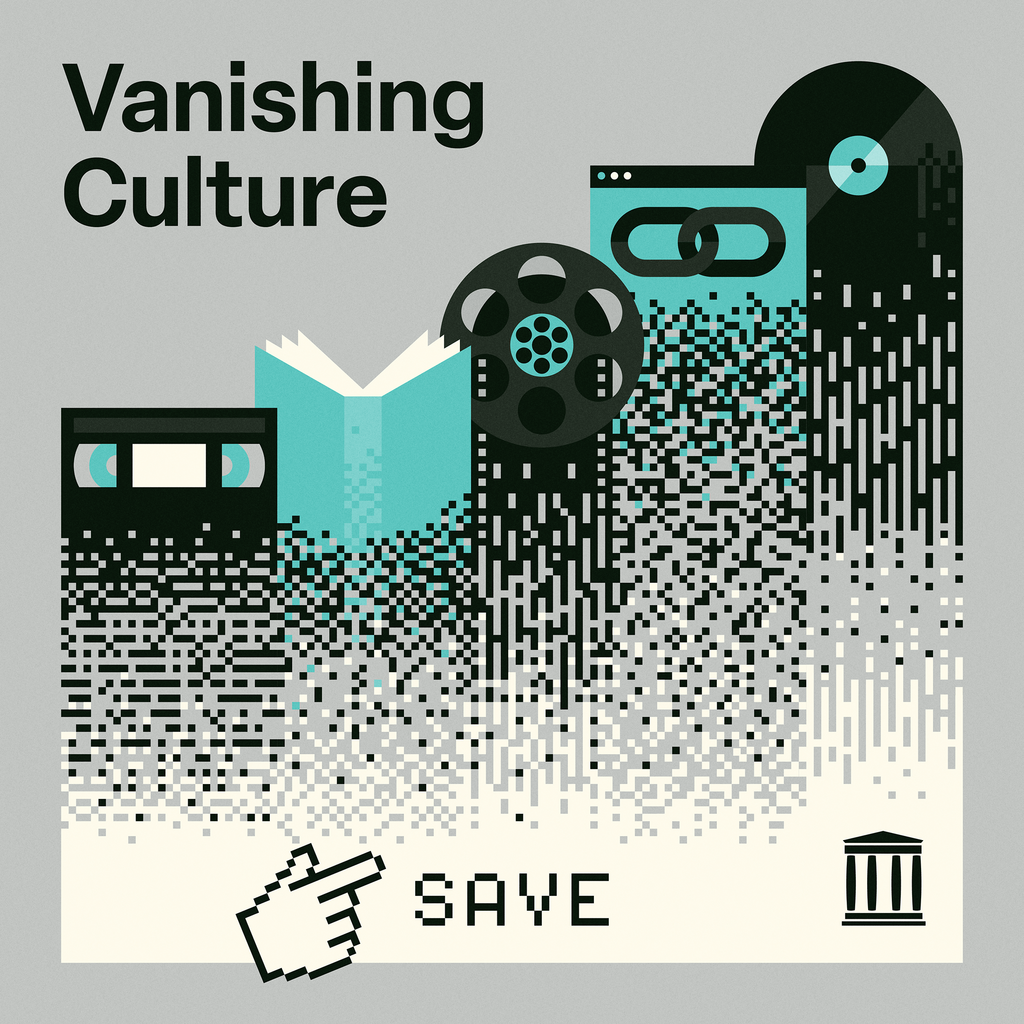
This shift fundamentally altered our relationship with media. We no longer need to worry about storage space for DVDs or CDs. Our collections live in the cloud, accessible from our phones, laptops, and smart TVs. The trade-off is that we don't own any of it. If a service loses the rights to a show or an artist pulls their music, it simply disappears from our library.
The Tech Behind the Stream
The transition to streaming wasn't just a change in business models; it was driven by major technological leaps. Two key developments made it all possible: faster internet and better compression.
In the early 2000s, most people used slow dial-up internet. Downloading a single song could take several minutes, and a movie was out of the question. The widespread adoption of high-speed broadband internet was the first game-changer. Suddenly, large amounts of data could move quickly enough to play video and audio in real time.
The second piece of the puzzle was data compression. Technologies like MP3 for audio and advanced video codecs allowed companies to shrink massive files without a major drop in quality. A smaller file size means less data to send, making for a smoother, buffer-free stream even on a less-than-perfect connection.
Together, broadband internet and efficient compression created the foundation for on-demand content. Instead of following a rigid broadcast schedule, you could now watch what you want, when you want.
A New Media Landscape
The rise of streaming triggered a massive disruption across the entertainment industry. Traditional media giants, who had controlled distribution for decades, were suddenly on the defensive. Video rental stores like Blockbuster, once cultural staples, were rendered obsolete and quickly went out of business.
The music industry was one of the first to feel the impact. CD sales, which peaked in the late 90s, went into a steep decline as services like Spotify and Apple Music made it more convenient to access millions of songs for a flat monthly fee. Similarly, cable television companies began losing subscribers in a trend known as "cord-cutting," as viewers flocked to ad-free, on-demand platforms like Netflix and Hulu.
Now, streaming media is more significant than broadcast and cable media and will continue to grow.
Today, the streaming market is a crowded and fiercely competitive space. What started with a few pioneers has exploded into a global battle for subscribers. In video, you have giants like Netflix, Disney+, Amazon Prime Video, and Max. In audio, Spotify and Apple Music dominate, but they face competition from YouTube Music, Amazon Music, and others.
These companies are no longer just distributors of content made by others. Many have become major production studios in their own right, spending billions of dollars each year to create original movies, shows, and podcasts to attract and retain subscribers.
Now, let's test your knowledge of the streaming industry's foundations.
What was the primary shift in how people consume media with the rise of streaming services?
Which two technological advancements were most crucial for making media streaming a widespread reality?
The streaming revolution has reshaped how we consume entertainment, driven by technological innovation and a fundamental shift from owning media to accessing it on demand.