The Business of Streaming and Media Trends
Introduction to Streaming Services
The Rise of On-Demand Media
Streaming is the continuous transmission of audio or video files from a server to a client. In simple terms, it's how you watch movies on Netflix or listen to music on Spotify. You press play, and the content starts almost immediately, delivered to your device in a steady flow over the internet.
This wasn't always the case. For decades, consuming media meant owning a physical object. You bought vinyl records, cassette tapes, CDs, or DVDs. You went to a store, paid for a single item, and took it home. Television and radio were different—they were broadcast, but you had to tune in at a specific time. If you missed your favorite show, you were out of luck until the rerun.
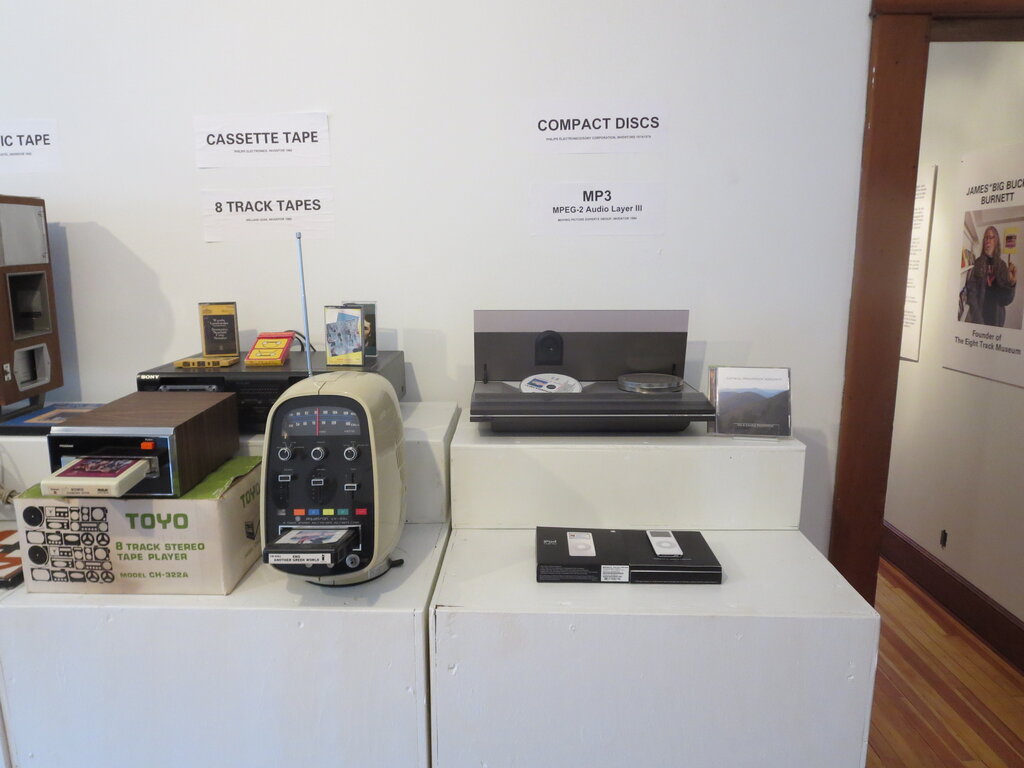
The internet first changed this with downloads. Services like iTunes allowed you to buy a digital file of a song or movie. It was faster than going to a store, but you still had to wait for the entire file to download before you could enjoy it, and it took up space on your device. Streaming was the next logical step, made possible by faster internet speeds. It offered the instant gratification of broadcast with the control of ownership.
Two Giants Emerge
Two companies, more than any others, defined the streaming era: Netflix and Spotify. Each took on an established industry and completely reshaped it.
Netflix started in 1997 as a DVD-by-mail service, a direct competitor to rental stores like Blockbuster. But its true revolution began in 2007 when it launched its streaming service. Instead of renting one movie at a time, subscribers could pay a flat monthly fee to watch as much as they wanted from a digital library. The idea of an all-you-can-eat buffet of movies and TV shows was transformative.
Spotify did for music what Netflix did for video. Launched in 2008, it offered a massive catalog of music, instantly available. This was a powerful alternative to both buying individual tracks on iTunes and the rampant music piracy of the early 2000s. Why illegally download and manage MP3 files when you could legally access nearly any song ever recorded for a small monthly fee, or even for free with ads?
The core innovation was the business model: shifting from ownership (paying per item) to access (paying for a subscription).
A New Way to Consume
The impact of streaming on traditional media was swift and dramatic. The most obvious victim was the video rental store. Blockbuster, once a giant with over 9,000 stores, declared bankruptcy in 2010. Why drive to a store when a larger selection was available from your couch?
The media landscape is fundamentally transformed by streaming and on-demand consumption.
Television habits changed, too. The concept of "appointment TV," where everyone gathered to watch a show at the same time, began to fade. Streaming services release entire seasons at once, popularizing the phenomenon of "binge-watching." Viewers were no longer bound by the broadcaster's schedule.
In music, the album as the primary format lost some of its dominance. While many artists still release albums, listeners increasingly create and share playlists, focusing on individual songs. This has changed how artists release music and how songs become hits. The emphasis shifted from selling records to accumulating streams.
Streaming gave consumers unprecedented control and choice, fundamentally altering how we engage with movies, TV, and music.