The Business of Streaming and Media Trend Prediction
Streaming Industry Overview
The On-Demand Revolution
Not long ago, your media library was a physical thing. It was a shelf of VHS tapes, a binder of CDs, or a rack of DVDs. If you wanted to watch a movie, you drove to a store. If you wanted to listen to a new album, you bought the disc. Your access was limited by what you owned and what was available locally.
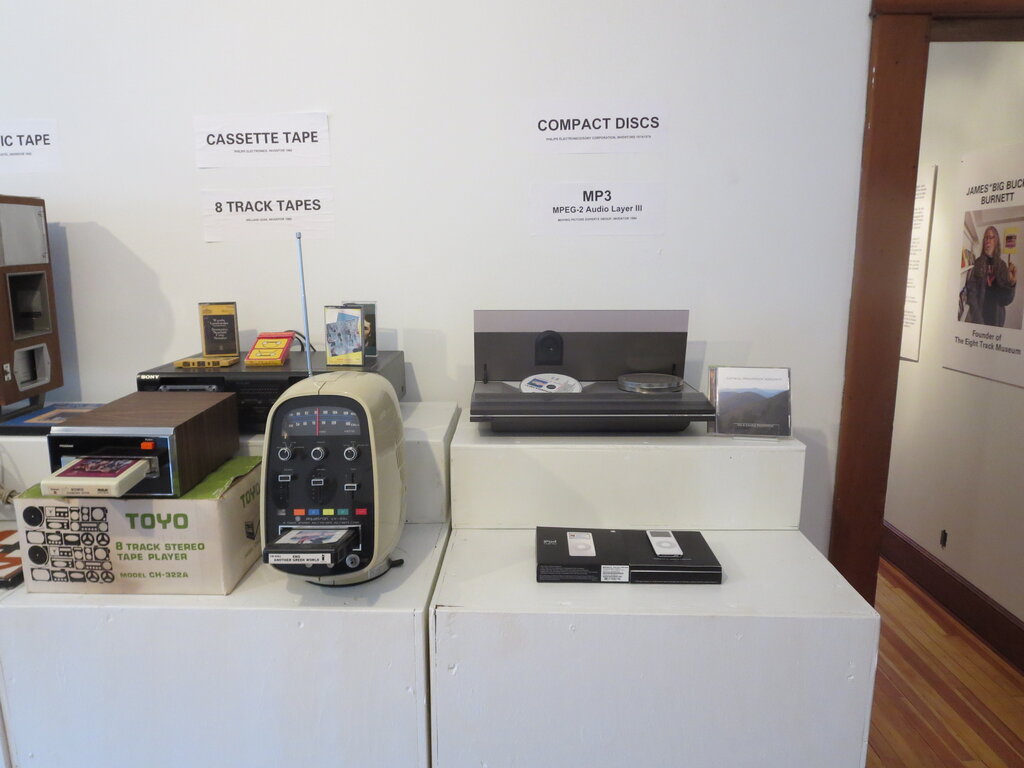
The internet changed everything, but not overnight. Early connections were slow and unreliable. Downloading a single song could take ages, and streaming a movie was pure science fiction. The key that unlocked the door to our modern media world was broadband internet. Suddenly, large amounts of data could move quickly and affordably. This technological leap laid the groundwork for a massive shift in how we consume entertainment.
A New Way to Watch and Listen
With fast internet came a new expectation: instant access. People no longer wanted to wait for their favorite TV show to air at a specific time or be tied to a physical location. They wanted control. This change in consumer behavior created the perfect environment for streaming platforms to thrive.
Services like Netflix, which began as a DVD-by-mail service, saw this trend and pivoted. They began offering a library of movies and shows available to watch instantly, anytime. In the music world, Spotify offered a legal and convenient alternative to piracy, giving users access to millions of songs without needing to download and manage individual files.
The schedule was no longer set by the broadcaster; it was set by the viewer.
These platforms didn't just offer convenience; they created a new culture. The concept of "binge-watching" an entire season of a show in a weekend became normal. Playlists replaced albums for many listeners. The power shifted from the distributors to the consumers.
The Crowded Field
The success of early pioneers like Netflix and Spotify did not go unnoticed. Soon, a flood of competitors entered the market, each trying to capture a piece of the audience. This intense competition is often called the "streaming wars."
Today, the landscape is packed. In video, you have giants like Amazon Prime Video, Disney+, Hulu, and Max. In music, Spotify competes with Apple Music, Amazon Music, and YouTube Music. Each service battles for subscribers by securing exclusive content, offering different pricing tiers, and creating unique user experiences.
The Movie Studios & Production industry is defined by intense competition in the "streaming wars," forcing massive content investment and strategic diversification to capture subscribers.
This crowded marketplace creates a dynamic and constantly changing industry. Companies must adapt quickly to new technologies, shifting viewer tastes, and the strategic moves of their rivals. Understanding this competitive pressure is key to understanding the streaming world.
What technological leap was most crucial for the transition from physical media to widespread streaming?
The term "streaming wars" refers to the intense competition between which two groups?