The Business of Streaming
Streaming Industry Overview
From Tapes to Tabs
Not long ago, watching a movie or listening to an album required a plan. You had to catch your favorite show at a specific time, drive to a store to buy a CD, or browse the aisles of a video rental shop. Media was physical. It was something you held, and your access to it was limited by store hours, broadcast schedules, and what was in stock.
This all began to change with the internet. Early file-sharing services hinted at a new possibility: what if you could access any song or movie right from your computer? While those early days were chaotic, they planted the seed for the on-demand world we live in now.

The real revolution happened when technology caught up. The spread of high-speed broadband internet was the first critical step. Suddenly, downloading or streaming large files wasn't a frustratingly slow process. Then came the smartphone, putting a powerful computer and a high-resolution screen in everyone's pocket.
These two innovations—fast internet and mobile devices—created the perfect environment for streaming to flourish. Companies like Netflix, which started by mailing DVDs, saw the future and pivoted to an online model. Spotify did the same for music, offering a massive library for a monthly fee. The convenience was irresistible. Why own a few dozen albums when you could access millions?
The New Gatekeepers
In the old media world, major movie studios, record labels, and TV networks were the gatekeepers. They decided what got made, what was promoted, and how it reached you. Streaming platforms have become the new gatekeepers.
Today, a handful of dominant players shape what we watch and listen to. In video, names like Netflix, Disney+, and Amazon Prime Video are household names. For music and podcasts, Spotify and Apple Music lead the pack. These services aren't just digital storefronts; they are powerful curators that influence popular culture through their algorithms and editorial choices.
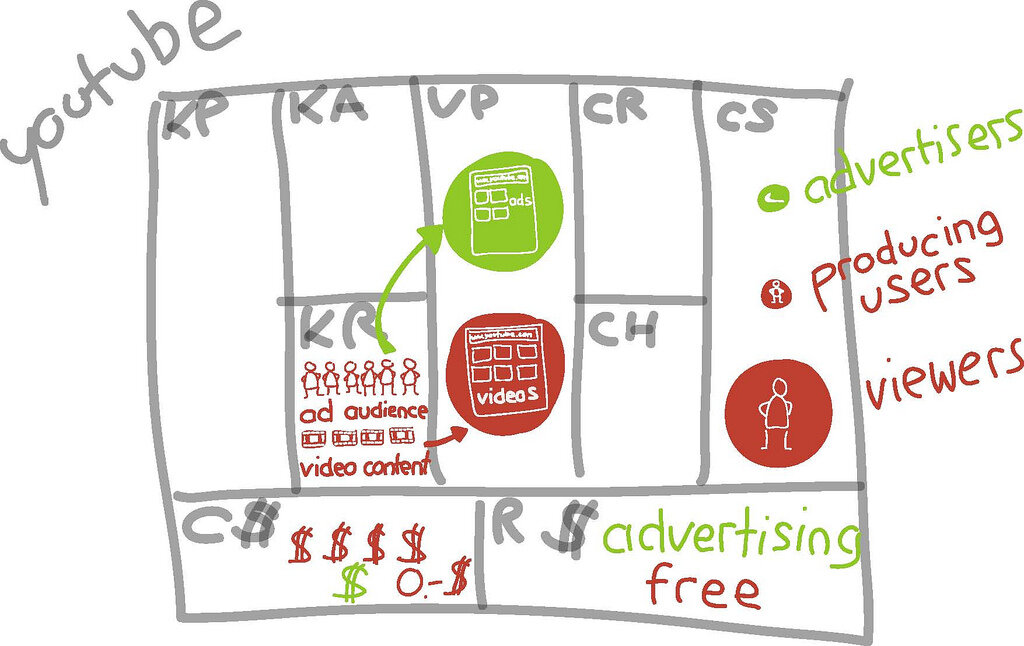
Furthermore, these platforms have moved from simply distributing content to producing it. Netflix Originals and Spotify Exclusives are now a huge part of their appeal. By creating their own movies, shows, and podcasts, they compete directly with the traditional studios and labels they once relied on. This has fundamentally shifted the power balance in the entertainment industry.
Algorithmic recommender systems such as Spotify and Netflix affect not only consumer behavior but also producer incentives.
A Million Different Channels
One of the biggest consequences of the streaming boom is audience fragmentation. Think about television in the 1980s. With only a few channels to choose from, a hit show could capture a massive portion of the population. Everyone was watching the same thing, creating a shared cultural experience.
Today, that single mass audience has been shattered into countless smaller pieces.
fragmentation
noun
The process of a large, unified audience breaking up into smaller, more specialized groups who consume different media content.
Instead of three major networks, we have Netflix, Hulu, Peacock, Max, and dozens of other services, each with its own library of content. In music, listeners can dive into hyper-specific genres and personalized playlists, rarely needing to venture outside their niche.
This fragmentation has huge implications. For content creators, it means it's harder than ever to have a breakout hit that everyone knows. For advertisers, it complicates the task of reaching a wide demographic. They can no longer buy a single ad spot during a popular show and expect to reach most of the country. Instead, they must navigate a complex web of platforms to connect with smaller, more targeted groups.
Time for a quick check on what we've covered.
What were the two key technological innovations that created the perfect environment for media streaming to flourish?
How has the role of major streaming platforms like Netflix evolved since they first started?
This shift from unified broadcasts to personalized streams has changed not just how we consume media, but the very nature of shared culture itself.