The Business of Sports
Introduction to Sports Business
More Than Just a Game
When you watch your favorite team, you see the athletes, the coaches, and the final score. But behind the scenes, there's a massive industry at work. This is the world of sports business. It's the entire ecosystem of companies and people whose jobs revolve around sports.
Think about it. The jersey you wear, the broadcast you watch, the ticket you buy, and even the hot dog you eat at the stadium—it's all part of the sports business. It covers everything from professional leagues and multi-million dollar endorsement deals to the local gym and community fun runs. It's a sprawling network that turns passion for the game into a global commercial enterprise.
From Ancient Games to Global Brands
The business of sports wasn't always this complex. In ancient Greece, the Olympics were about honor and glory, not profit. The commercialization of sports is a more recent development. It began to take shape in the late 19th and early 20th centuries with the formation of professional leagues, like Major League Baseball in the United States.
This was the first time an organizational structure was built to sell sports as entertainment. Teams became local brands, and star players became heroes. But the real explosion happened with the arrival of television. Suddenly, games could be broadcast directly into millions of homes. This created a new, massive source of revenue: media rights. Broadcasters began paying leagues billions of dollars for the exclusive right to show their games, transforming the industry's financial landscape forever.
A Global Economic Engine
Today, the sports industry is an economic powerhouse, valued in the hundreds of billions of dollars globally. It's a major employer, creating jobs for athletes, agents, marketers, event managers, journalists, and facility staff, among many others. The industry's impact extends far beyond the stadium.
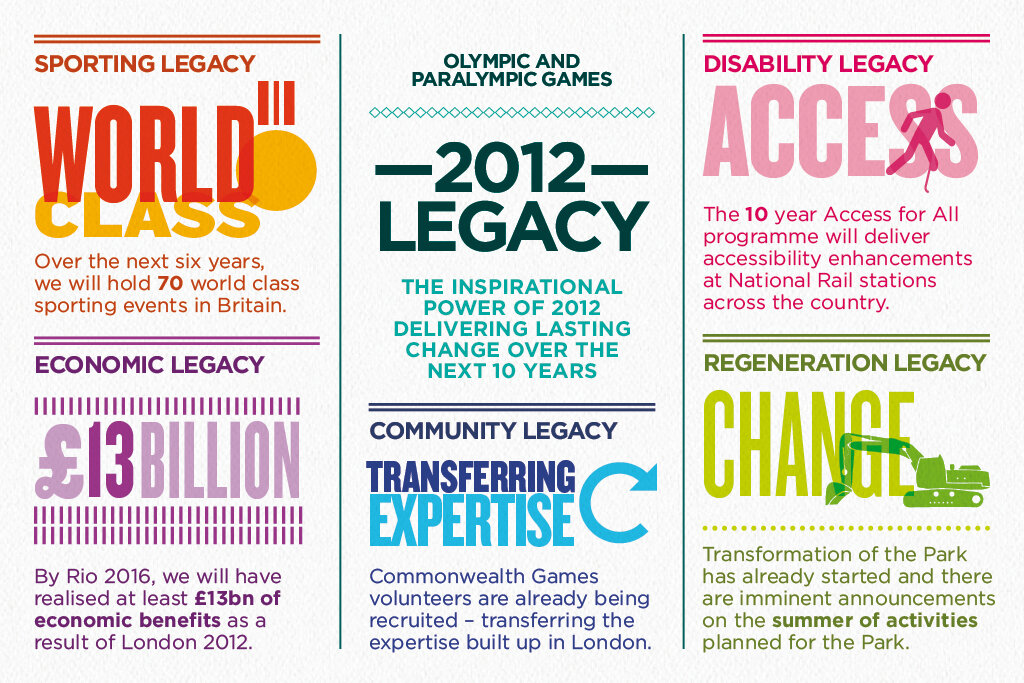
Major sporting events like the FIFA World Cup or the Olympic Games can have a profound economic effect on their host cities and nations. They drive tourism, spur the development of new infrastructure like stadiums and public transport, and generate billions in spending. This creates a ripple effect, boosting local businesses and creating a lasting legacy.
The Different Arenas
The sports business isn't a single entity. It's made up of several distinct, yet often interconnected, sectors. Each operates with different goals and financial models.
| Sector | Description | Key Focus |
|---|---|---|
| Professional Sports | The top tier of competition, featuring paid athletes. | Entertainment, media rights, sponsorships, merchandise. |
| Collegiate Sports | University and college-level athletics, especially prominent in the U.S. | Student-athlete development, school branding, ticket sales. |
| Recreational Sports | Sports focused on participation by the general public. | Health and fitness, community engagement, equipment sales. |
Professional sports, like the NFL or the English Premier League, are the most visible part of the industry. They are high-stakes businesses built around elite talent. Collegiate sports, particularly in the United States, represent a huge market that serves as a talent pipeline for pro leagues while generating massive revenue for universities.
It is imperative that sports administrators emerge as effective leaders and understand the legal and business landscape of college sports to protect their institutions and their student-athletes.
Finally, recreational sports involve everyday people. This sector includes everything from gym memberships and yoga classes to amateur leagues and marathon events. It's the largest sector by participation and focuses on promoting active lifestyles.
Which of the following best defines the term 'sports business'?
What development in the 20th century was most responsible for transforming the financial landscape of sports by creating a massive new revenue stream?
Understanding these core components shows how sports have evolved from a simple pastime into a complex and influential global industry.