The Business of Spaceflight
Introduction to Airspace Transportation Sales
The Evolving Skies
For most of the 20th century, the sky was the domain of national governments and major airlines. Flying was about getting from point A to point B. Space was for exploration, driven by Cold War competition and scientific curiosity. The customers were few, and the sales process was often intertwined with national policy.
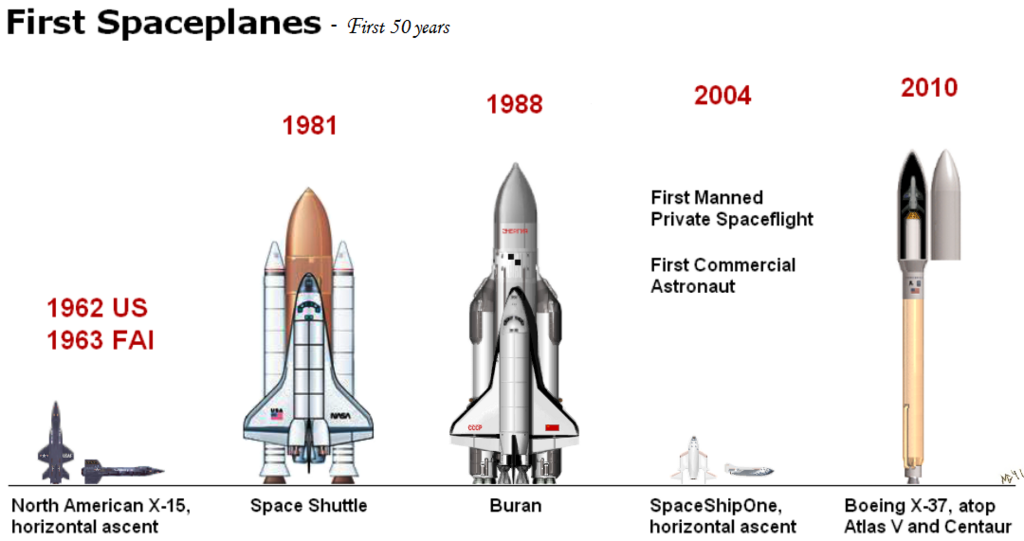
That landscape has radically changed. While traditional aviation remains a massive industry, a new frontier has opened: commercial space. The transition began slowly, but the pace has accelerated dramatically. We've moved from an era where only superpowers could launch rockets to one where private companies compete to send satellites, cargo, and soon, tourists, into orbit and beyond.
This shift creates a new marketplace. Selling a ticket on a 747 is fundamentally different from selling a satellite launch or a seat on a suborbital flight. The principles of sales are the same, but the products, customers, and stakes are worlds apart.
Who Owns the Sky?
The airspace transportation market isn't a single entity. It’s a complex ecosystem of different players, each with unique needs and motivations. Understanding these players is the first step in navigating the sales process.
| Player Type | Examples | Primary Role |
|---|---|---|
| Government Agencies | NASA, FAA, ESA | Fund research, set regulations, act as major customers |
| Legacy Aerospace | Boeing, Lockheed Martin | Build aircraft and rockets, often for government contracts |
| Commercial Airlines | Delta, United, American | Purchase and operate aircraft for passenger and cargo transport |
| NewSpace Companies | SpaceX, Blue Origin, Virgin Galactic | Develop innovative launch services, satellites, and space tourism |
| Satellite Operators | Viasat, Iridium | Provide communication, imaging, and data services from space |
These groups are both competitors and partners. A NewSpace company might launch a satellite for a legacy aerospace firm, which in turn builds components for a government agency's mission. Airlines are the primary customers for aircraft manufacturers like Boeing and Airbus. This web of relationships means sales are often about building long-term partnerships, not just making one-off transactions.
Selling a Slice of the Sky
What exactly is being sold in this market? It's more than just plane tickets. Airspace transportation services are incredibly diverse.
- Passenger Travel: This is the most familiar segment, ranging from budget airlines to luxury private jets. The newest frontier is suborbital and orbital space tourism.
- Cargo & Logistics: This includes everything from shipping packages overnight via air freight to launching supplies to the International Space Station.
- Launch Services: This is the core of the commercial space industry. Companies sell capacity on their rockets to place satellites into specific orbits.
- Data & Communication: Many sales aren't about moving physical objects at all, but about the data collected and transmitted by assets in the air and in space, like satellite imagery or GPS signals.
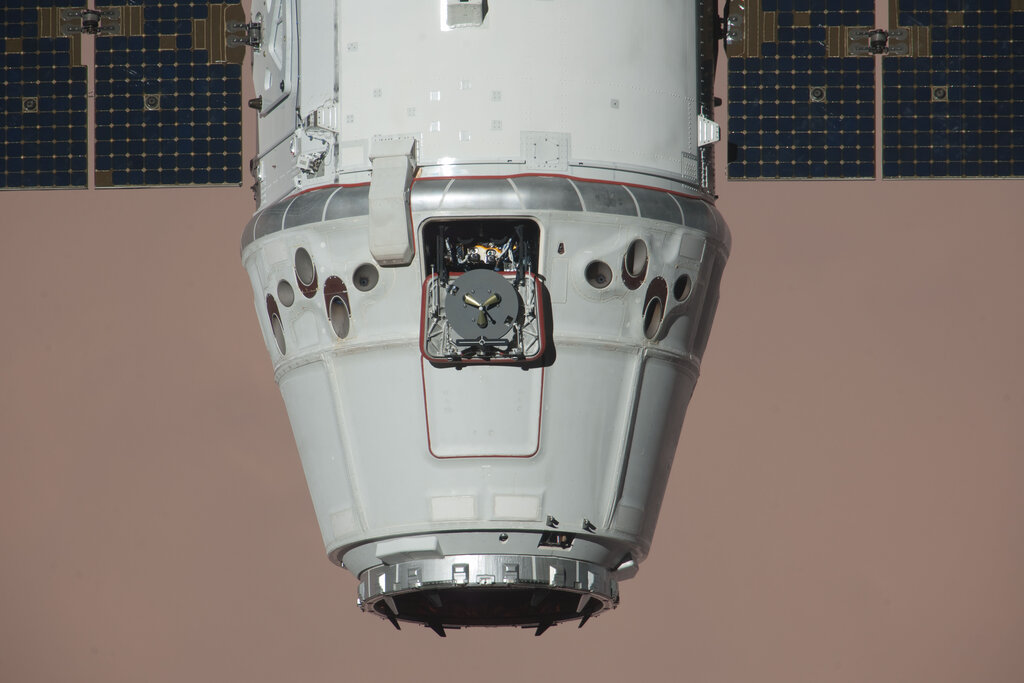
Selling these services comes with a unique set of challenges. Sales cycles can last for years, involving multiple layers of technical and financial approval. The price tags are enormous, often reaching hundreds of millions of dollars for a single rocket launch. The technology is also incredibly complex, requiring a deep understanding from the sales team to effectively communicate value and manage risk.
Selling tech is a challenging concept and there are terms we don’t use in our normal vocabulary.
Despite these hurdles, the opportunities are immense. The demand for satellite launches is exploding, driven by the need for global internet and Earth observation. New markets, like in-space manufacturing and asteroid mining, are moving from science fiction to business plans. As costs come down and access to space becomes more routine, the customer base will continue to expand, creating new possibilities for those who can navigate this complex and exciting market.