The Business of Major League Baseball
MLB Structure
The Commissioner's Office
At the top of Major League Baseball's structure is the Commissioner, who acts as the chief executive officer of the entire league. The Commissioner is elected by the owners of the 30 MLB teams and serves at their pleasure. This position holds immense power, granted by the Major League Constitution, to act in the "best interests of the game."
This broad authority allows the Commissioner to investigate any act, transaction, or practice deemed not in the best interests of baseball, determine a course of action, and levy penalties.
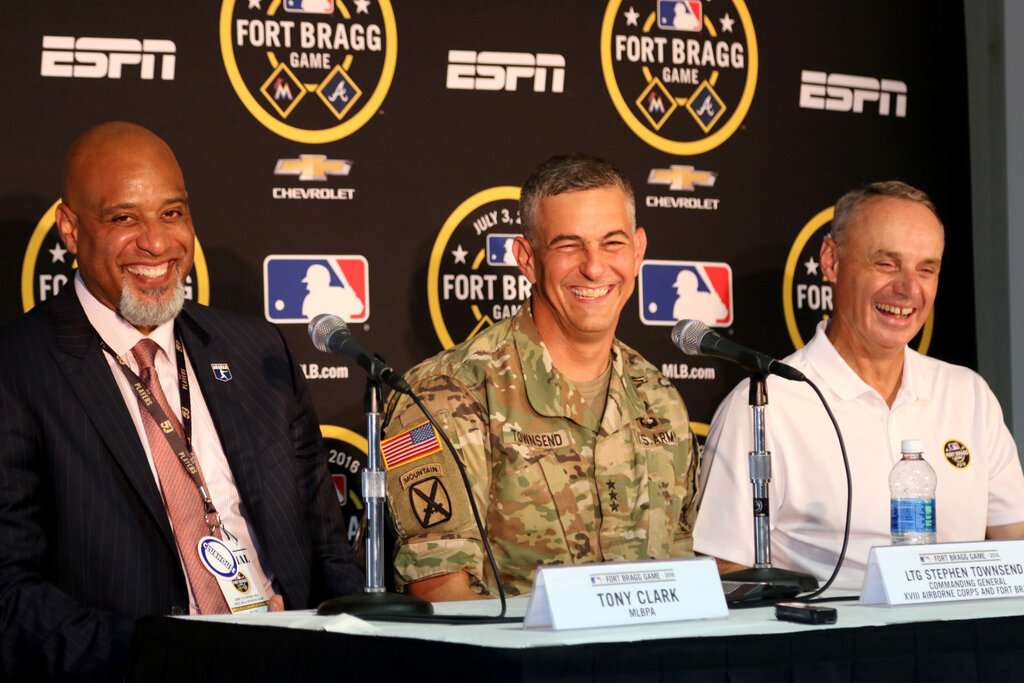
The Commissioner's Office, based in New York City, handles the league's day-to-day business. Its responsibilities are vast and include overseeing league-wide operations, negotiating national broadcasting and sponsorship deals, managing labor relations with the Major League Baseball Players Association (MLBPA), and handling disciplinary matters for players, managers, and executives. The office also directs initiatives to grow the sport's popularity both domestically and internationally.
Team Ownership
While the Commissioner's Office manages the league, each of the 30 MLB teams operates as a separate business entity. These teams are owned by an individual, a family, or a larger ownership group. Regardless of the structure, one person must be designated as the "control person" or principal owner. This individual has the ultimate authority for the team and represents it in all league matters.
Prospective owners must go through a rigorous vetting process. To purchase a team, an individual or group must be approved by a vote of the existing owners. This process ensures that new owners have the financial stability to operate a franchise successfully and a commitment to the league's overall health. The goal is to maintain stability and prevent ownership changes that could harm the team or the sport.
League Governance
Major League Baseball functions as a joint venture of its 30 member clubs. The team owners, along with the Commissioner, form the league's governing body. They collectively make the rules and policies that shape the sport, from on-field rules to regulations about debt levels for franchises.
Baseball loves to market itself as timeless, but the sport has undergone more strategic transformation than a chess grandmaster’s playbook.
Significant changes to the league's constitution, bylaws, or major rules require a supermajority vote of the owners. Typically, this means at least three-quarters (23 of 30) of the owners must approve a proposal for it to pass. For less critical matters, a simple majority may suffice.
To facilitate this process, owners are organized into various committees, such as the Competition Committee, the Diversity and Inclusion Committee, and others focused on business or media. These committees research specific issues, debate potential solutions, and present recommendations to the full ownership group for a vote. This structure allows the league to adapt and evolve while ensuring that all team owners have a voice in the direction of the sport.
Who is responsible for electing the Commissioner of Major League Baseball?
What is the typical voting threshold required for a significant change to MLB's constitution or major rules?
This framework of a central commissioner, independent team owners, and a collective governance process defines how Major League Baseball operates as a professional sports league.