The Business of Character Merchandising
Introduction to Intellectual Property
What is Intellectual Property?
Think about your favorite fictional character. Maybe it's a superhero from a comic book, a wizard from a novel, or an animated mouse who's famous worldwide. These characters didn't just appear out of thin air. Someone imagined them, designed them, and wrote their stories. But what stops someone else from just taking that character and putting it on a t-shirt to sell for themselves?
The answer is intellectual property, often shortened to IP. It’s a category of legal rights that protects creations of the mind. Just like you can own physical property like a car or a house, you can also own intangible things like ideas, inventions, and creative works. The purpose of IP law is to give creators control over their work and to allow them to benefit from their creativity.
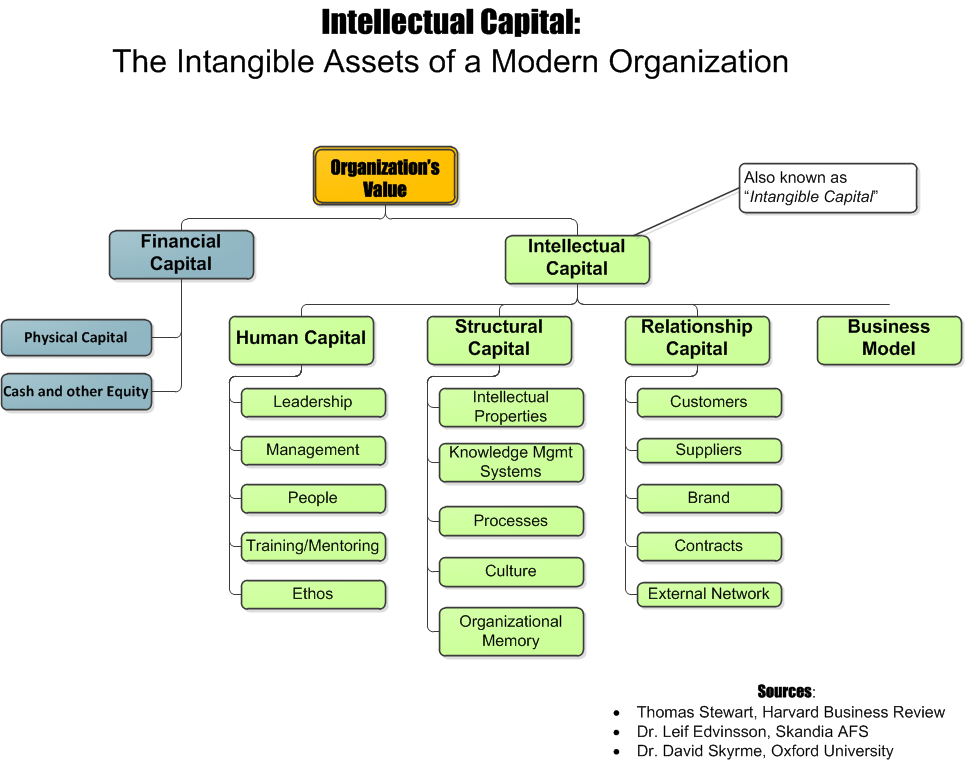
These protections encourage people to create and innovate, knowing their work won't be stolen. When it comes to the characters we love, IP is what allows them to become global brands, appearing in movies, on toys, and in theme parks. This process of licensing a character for use on products is called character merchandising, and it's all built on the foundation of intellectual property. Let's look at the main types of IP.
The Four Pillars of IP
Intellectual property isn't a single concept; it's an umbrella term for several distinct types of protection. The four most common are copyrights, trademarks, patents, and trade secrets. Each one protects a different kind of creation.
Copyright
noun
A legal right that grants the creator of an original creative work exclusive rights to its use and distribution.
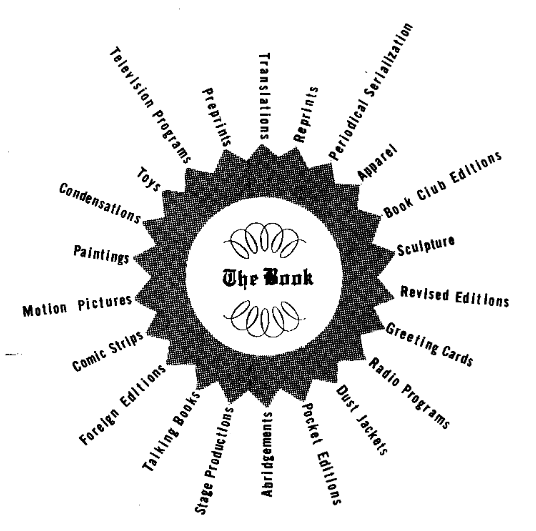
Copyright is all about protecting creative expression. It covers things like books, music, paintings, photographs, and, most importantly for our topic, characters. The moment a story is written down or a character is drawn, copyright protection automatically applies. It protects the specific way an idea is expressed, not the idea itself. For example, copyright protects the character of Harry Potter, including his appearance, his backstory, and his specific adventures. This prevents others from writing new Harry Potter books without permission.
Next up is the trademark, which is about protecting a brand's identity.
Trademark
noun
A symbol, word, or words legally registered or established by use as representing a company or product.
While copyright protects the creative work itself, a trademark protects the names, logos, and slogans that identify the source of that work. Think of the Batman symbol, the name "Mickey Mouse," or the phrase "May the Force be with you." These are all trademarks. They tell consumers that the product they're buying is authentic and comes from the official source. In character merchandising, trademarks are essential for building a recognizable brand and preventing counterfeit goods from flooding the market.
The third pillar is the patent, which is designed for inventions.
Patent
noun
A government authority or license conferring a right or title for a set period, especially the sole right to exclude others from making, using, or selling an invention.
Patents protect new and useful inventions, processes, or scientific discoveries. They give an inventor the exclusive right to make and sell their invention for a limited time. While less common in character merchandising than copyrights or trademarks, patents can still play a role. For instance, a toy company might patent a unique mechanism in an action figure, like a special way it transforms or a new technology that makes it talk. This protects the innovative aspect of the toy itself, not the character it represents.
Finally, we have trade secrets.
Trade Secret
noun
A secret device or technique used by a company in manufacturing its products.
A trade secret is confidential information that gives a business a competitive edge. This can include secret recipes, client lists, or marketing strategies. For a company involved in character merchandising, a trade secret might be the specific process they use to create a high-quality collectible, a list of their most reliable manufacturers, or their plans for the next big product launch. Unlike patents, trade secrets are protected for as long as they are kept secret.
| IP Type | What It Protects | Example in Character Merchandising |
|---|---|---|
| Copyright | Original creative works | The appearance and story of a cartoon character |
| Trademark | Brand identity (names, logos) | The character's name and the logo on a lunchbox |
| Patent | Inventions and processes | A unique mechanism in a talking doll |
| Trade Secret | Confidential business information | A secret manufacturing process for a toy line |
Understanding these four pillars is the first step in seeing how our favorite characters are protected and transformed into the products we see every day.
What is the primary purpose of intellectual property (IP) law?
A graphic novelist creates a new superhero with a unique backstory and a distinctive costume design. Which type of intellectual property automatically protects the character's appearance and stories the moment they are drawn or written?