The Building Blocks of Life Cells
Cell Types
The Two Blueprints of Life
Every living thing on Earth is made of cells. But not all cells are built the same way. Think of it like building a house. You could have a simple one-room studio or a large house with many specialized rooms. Life uses two basic cellular blueprints: the simple prokaryotic cell and the more complex eukaryotic cell.
One of the main criteria that dissociates Prokaryotes from Eukaryotes is their cell structure.
Prokaryotes: The Simple Studio
Prokaryotic cells are the studio apartments of the cellular world. They are small, efficient, and have an open-plan layout. Their most defining feature is the absence of a nucleus. Instead of being neatly tucked away, their genetic material, a circular loop of DNA, floats freely in the cytoplasm in a region called the nucleoid.
These cells also lack other membrane-bound compartments, or organelles. Everything happens in the same general space. This simple structure allows them to reproduce quickly. Bacteria and archaea are the two domains of life made up of prokaryotic cells.
Eukaryotes: The Organized Mansion
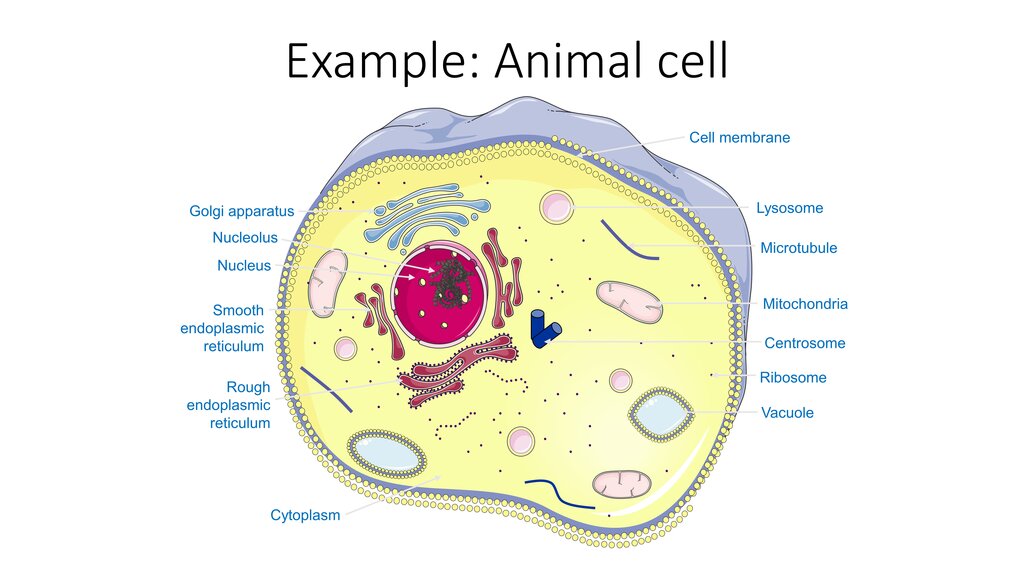
If prokaryotes are studio apartments, eukaryotic cells are sprawling mansions. Their defining feature is a nucleus, a special room surrounded by a membrane that protects the cell's genetic material (DNA). The DNA here is organized into linear structures called chromosomes.
This separation of the DNA allows for more complex genetic regulation. Eukaryotic cells are also full of other membrane-bound organelles, each with a specific job. For instance, mitochondria generate energy, and the endoplasmic reticulum helps build proteins and lipids. This high degree of organization allows for larger cell sizes and greater specialization. All plants, animals, fungi, and protists are eukaryotes.
Putting It All Together
The fundamental difference between these two cell types boils down to complexity and organization. Prokaryotes keep everything together in one space, while eukaryotes compartmentalize different functions into separate organelles.
The main distinction is the nucleus. Eukaryotes have one; prokaryotes do not.
This table highlights the key distinctions.
| Feature | Prokaryotic Cell | Eukaryotic Cell |
|---|---|---|
| Nucleus | Absent | Present |
| DNA Structure | Single, circular loop | Multiple, linear chromosomes |
| Organelles | No membrane-bound organelles | Many membrane-bound organelles |
| Size | Typically smaller (0.1-5.0 µm) | Typically larger (10-100 µm) |
| Examples | Bacteria, Archaea | Plants, Animals, Fungi, Protists |
Despite these differences, both cell types share some basic features. They both have a cell membrane that acts as a barrier, cytoplasm filling the cell, ribosomes to build proteins, and DNA as their genetic blueprint.
Understanding these two fundamental designs is the first step in exploring the incredible diversity and complexity of life.
What is the primary feature that distinguishes a eukaryotic cell from a prokaryotic cell?
A scientist observes a new organism. It is single-celled and its DNA is organized into linear chromosomes protected within a distinct compartment. This organism is a(n) __________.