The British Honours System Explained
Origins of British Honours
From Battlefield to Court
After the Norman conquest in 1066, England's new king, William the Conqueror, faced a major challenge: how to control a restless country. His solution was a rigid system of land ownership and military obligation known as feudalism. At the heart of this system was the knight, a mounted warrior bound by an oath of loyalty to a lord.
Initially, knighthood wasn't about pageantry. It was a practical, military rank. A man became a knight to fight. In return for their service, knights were granted land, called a fief. This arrangement formed the backbone of the medieval state. The king relied on his great lords, who in turn relied on their knights to provide soldiers for the royal army.
The ceremony for creating a knight, known as dubbing, was a deeply personal affair. A lord would strike the candidate on the shoulder with the flat of a sword and proclaim, "Arise, Sir Knight." This simple act, often performed right on the battlefield, created a powerful bond. It was a public acknowledgment of a warrior's prowess and his sworn loyalty to his commander.
The First Order of Chivalry
As centuries passed, the nature of honours began to shift. Kings realized that formal recognition could be a powerful tool for managing the powerful and ambitious nobles who often threatened their authority. Instead of just rewarding individual acts of valor, monarchs started creating exclusive groups to foster a collective sense of loyalty to the Crown.
The most significant step in this evolution was the founding of the Order of the Garter by King Edward III in 1348. Inspired by the tales of King Arthur and the Knights of the Round Table, Edward created an elite society of knights, limited to himself, his son (the Prince of Wales), and 24 Knights Companion. Membership was the highest honour a monarch could bestow.
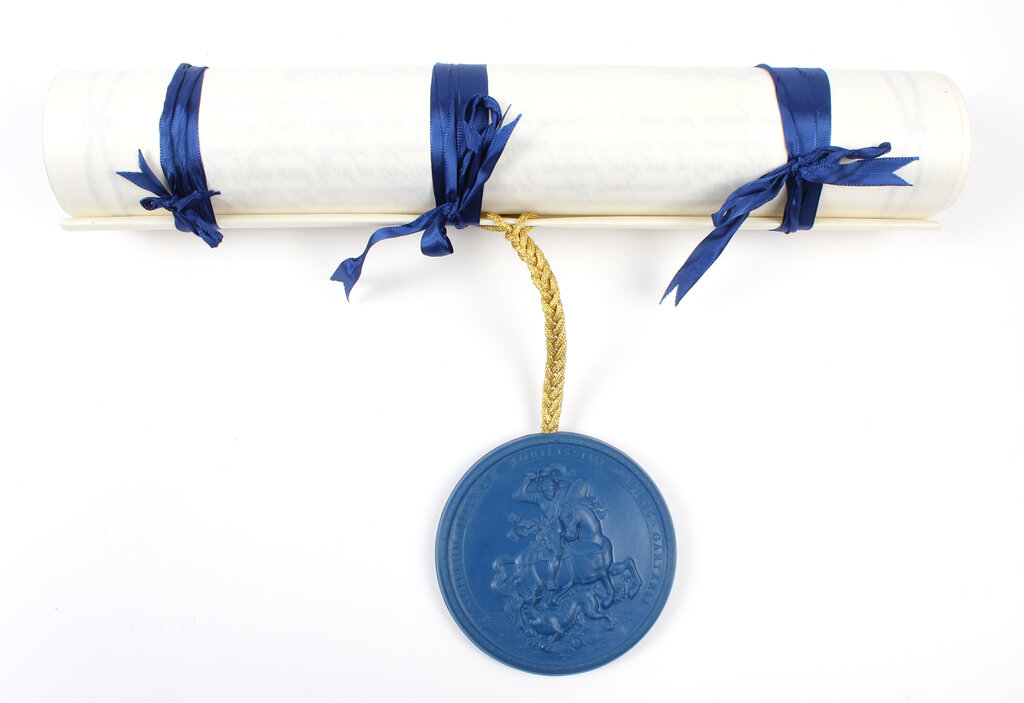
The Order of the Garter was different. It wasn't a reward for a single heroic deed. It was a lifelong commitment that bound the most powerful men in the kingdom directly to the king. Its members were expected to be paragons of chivalry, but more importantly, they were expected to be unwavering in their political allegiance. The Order's French motto, Honi soit qui mal y pense ("Shame on him who thinks evil of it"), served as a warning to any who might question the king's authority or the Order's purpose.
By creating a prestigious and exclusive club, the king turned potential rivals into loyal supporters. An honour became a golden chain, binding the nobility to the throne.
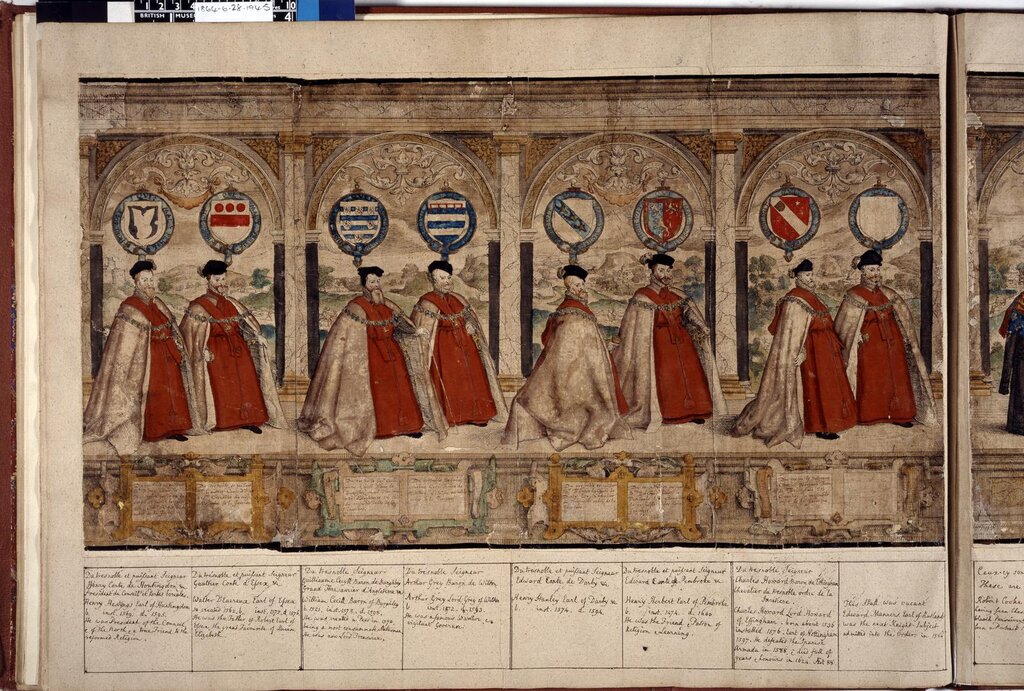
This shift marked a crucial turning point. Honours were no longer just for rewarding warriors on the battlefield; they were now a key instrument of statecraft used at court. Granting a place in the Order of the Garter was a way for the monarch to secure alliances, manage political factions, and project power. This laid the groundwork for a more structured system of honours, where service to the monarch, whether military or political, was the primary path to recognition.