The British Empire Unveiled
Origins of the British Empire
The First Steps Abroad
In the late 16th century, England was a player on the European stage, but not yet a global power. Spain and Portugal dominated the seas, enriched by the gold, silver, and spices from their colonies in the Americas and Asia. Inspired by their rivals' success and seeking its own sources of wealth, England began to look outward.
Early efforts were a mix of exploration, trade, and state-sanctioned piracy. Figures like Sir Francis Drake raided Spanish ships and settlements, bringing treasure back to England and challenging Spain's maritime supremacy. The pivotal defeat of the Spanish Armada in 1588 was a major turning point. It weakened Spain's naval dominance and opened the door for English ships to venture more freely across the oceans, paving the way for trade and colonization.
Settlements in the New World
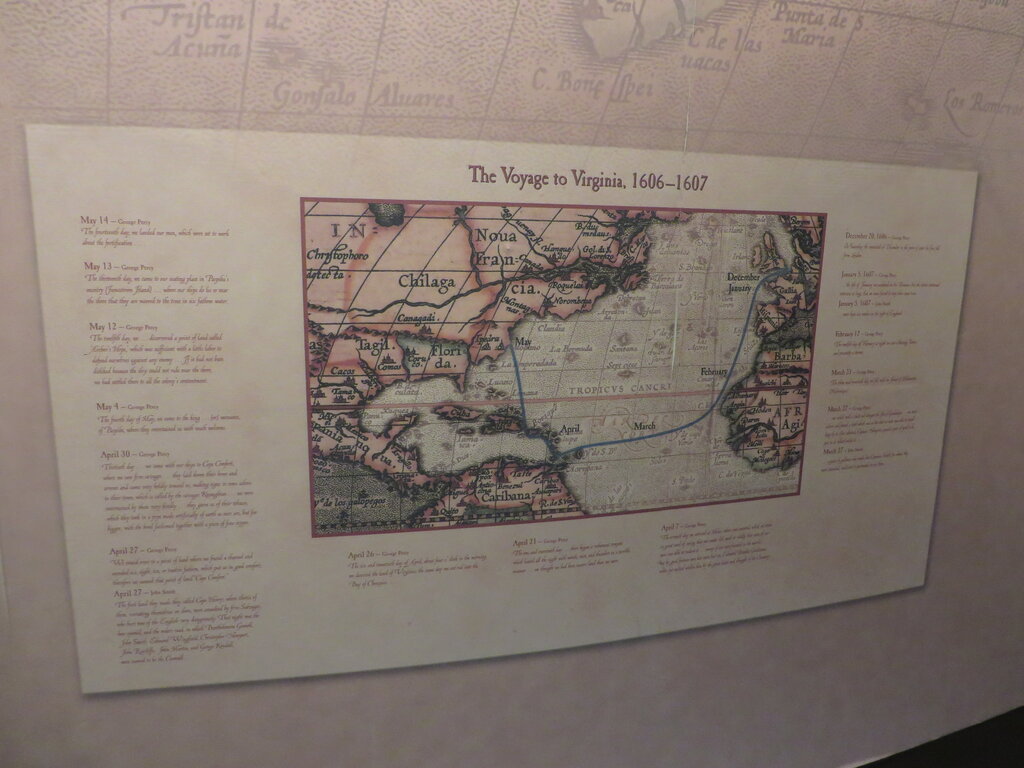
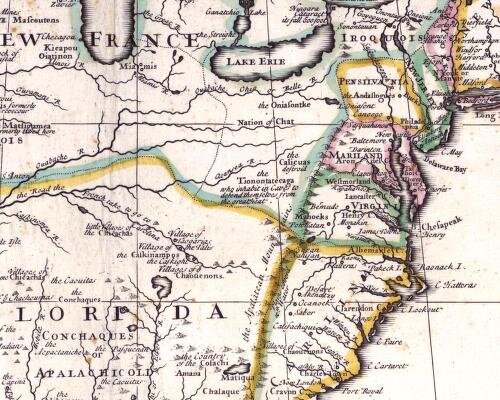
England's first attempts to establish colonies were fraught with difficulty. The settlement at Roanoke vanished, becoming the legendary "Lost Colony." But in 1607, the Virginia Company of London established Jamestown, which became England's first permanent settlement in North America. The colony struggled initially, but the cultivation of tobacco as a cash crop eventually ensured its survival and profitability.
Following Jamestown, more settlements sprung up along the North American coast, founded for reasons ranging from religious freedom to economic opportunity. Simultaneously, the English established a presence in the West Indies. Islands like Barbados and Jamaica became incredibly valuable for producing sugar, a highly profitable commodity that relied on the brutal system of enslaved labor.
The Company That Built an Empire
While settlers were building colonies in the West, English ambitions were also turning East. The lucrative spice trade in the East Indies (modern-day Southeast Asia) was dominated by the Portuguese and the Dutch. To compete, a group of English merchants formed a venture to trade directly with the region.
The EIC began as a trading company; granted a trade monopoly by the English crown in 1600.
On December 31, 1600, Queen Elizabeth I granted a royal charter to the East India Company (EIC). Unlike the settlement model in the Americas, the EIC's initial strategy was to establish fortified trading posts, known as "factories." These were not colonies but commercial bases. The company received permission from the Mughal Empire to establish its first factory in Surat, on the west coast of India, in 1612. From there, it expanded to other locations like Madras, Bombay, and Calcutta, trading in cotton, silk, indigo dye, and tea.
A Foothold in Africa
England's imperial beginnings also extended to Africa. In 1661, the English established their first permanent settlement at James Island (now Kunta Kinteh Island) in the Gambia River. This small fort served as a trading post, primarily for gold and ivory.
Later, it became a significant site in the transatlantic slave trade, a dark chapter in the empire's history. This outpost, along with others that followed, provided a strategic foothold on the continent, securing resources and protecting maritime trade routes. These early settlements in the Americas, India, and Africa were the scattered seeds from which the vast British Empire would grow.
What was a primary motivation for England's overseas expansion in the late 16th century?
Which 1588 event was a major turning point that weakened Spanish naval power and enabled England to expand its own maritime activities?