The Bond Market Explained
Introduction to Bonds
What Is a Bond?
At its core, a bond is just a loan. When you buy a bond, you are lending money to an organization, which could be a company or a government. The organization that borrows the money is called the issuer. You, the person lending the money, are the investor or bondholder.
Think of it like an IOU. The issuer gives you a bond in exchange for your cash, promising to pay you back in the future, plus a little extra for your trouble. That 'extra' is the interest.
Why do issuers sell bonds? They need money to fund projects, like building a new factory, developing a product, or financing public infrastructure. Bonds are a way for them to raise large amounts of capital from many different investors at once.
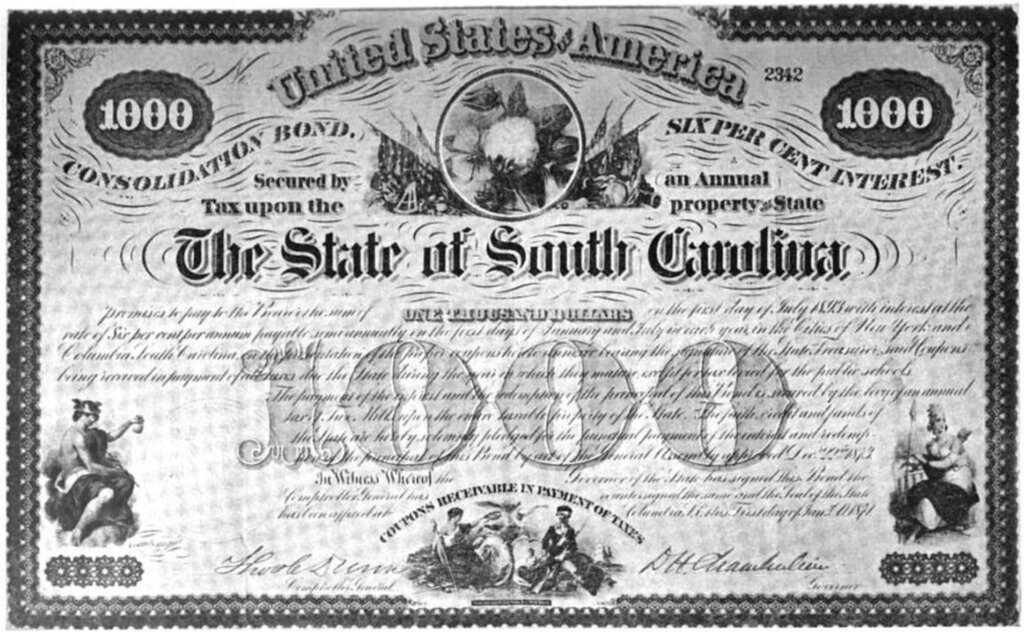
The Anatomy of a Bond
Every bond is defined by three key components. Understanding these parts is crucial to understanding how a bond works.
Face Value
noun
The amount of money the issuer promises to pay back to the investor when the bond matures. This is also known as par value.
The face value is the principal amount of the loan. It's the foundation upon which interest payments are calculated. While the market price of a bond can change over time, its face value remains fixed.
Coupon Rate
noun
The annual interest rate the issuer pays on the bond's face value. This payment is called the coupon.
The coupon rate determines the fixed income an investor receives. If a bond has a 5% coupon rate and a $1,000 face value, the issuer will pay the investor each year. These payments are typically made semi-annually, so the investor would receive two payments of $25.
Maturity Date
noun
The date on which the issuer must repay the bond's face value to the investor, and the bond's life comes to an end.
The time until the maturity date is known as the bond's term. Bonds can have short terms (a year or less) or very long terms (30 years or more). On the maturity date, the final coupon payment is made, and the principal (face value) is returned to the investor, concluding the loan.
This visual shows the complete journey. An investor lends money at the start, receives regular interest payments over the bond's term, and gets their original investment back at the end. These three parts work together to define the exact terms of the loan between the issuer and the investor.
Ready to check your understanding? Let's see what you've learned about the fundamentals of bonds.
In the context of a bond, who is the 'issuer'?
If a bond has a face value of $5,000 and a coupon rate of 3%, what is the total annual interest payment the investor will receive?
And that's the basic structure of a bond. It's a straightforward agreement that plays a massive role in the world of finance, allowing organizations to grow and investors to earn a steady return.