The Bolshevik Revolution Unveiled
Pre-Revolutionary Russia
The Tsar's Unyielding Grip
At the dawn of the 20th century, Russia was a vast empire under the absolute rule of Tsar Nicholas II. He was an autocrat, meaning he held supreme and unchecked power. This wasn't just a political system; for Nicholas, it was a divine right handed down from God. He firmly believed that any move toward democracy or shared power would betray his sacred duty and the legacy of his ancestors in the Romanov dynasty.
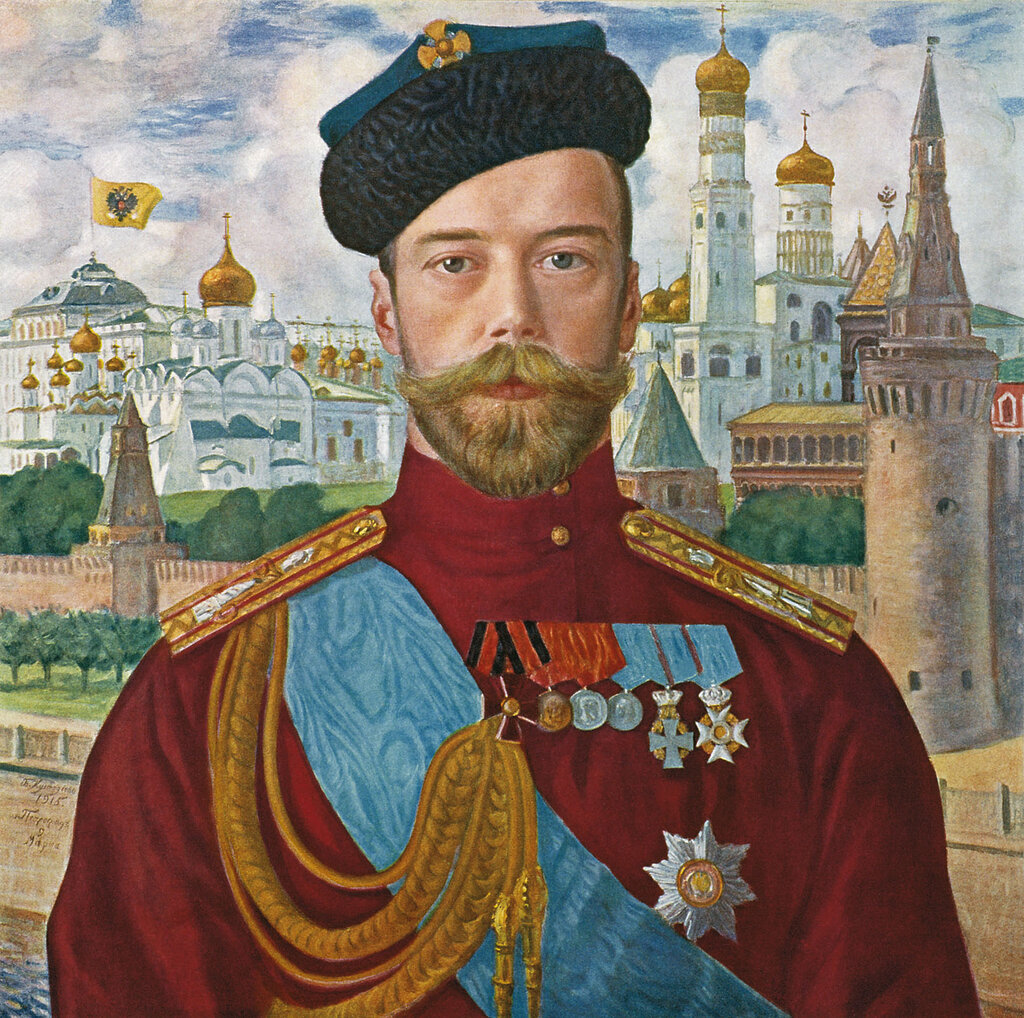
While well-intentioned, Nicholas II was ill-suited for the challenges of his time. He was indecisive and often influenced by his wife, Tsarina Alexandra, and mystics like Grigori Rasputin. He resisted political reforms at every turn, viewing them as a threat to his authority. This rigid stance created a massive gap between the ruler and the ruled, as the everyday struggles of ordinary Russians went largely ignored by the throne.
A Land of Nobles and Serfs
Russian society was deeply divided. At the top was a small, wealthy nobility that owned most of the land and enjoyed immense privilege. At the bottom was a massive population of peasants, who made up over 80% of the population. Although serfdom had been abolished in 1861, its legacy lingered. Many peasants were still trapped in a cycle of debt and poverty, working small plots of land they didn't truly own.
Life for the average peasant was marked by backbreaking labor, primitive farming tools, widespread illiteracy, and the constant threat of famine.
This deep-seated inequality fueled widespread discontent. The peasants yearned for land reform, hoping to gain ownership of the fields they worked. The aristocracy, meanwhile, was determined to protect its wealth and status, creating a social landscape ripe for conflict. The government's attempts at reform were often too little, too late, failing to address the core issues of land ownership and rural poverty.
Factories and Frustration
To catch up with the industrial powers of Western Europe, Russia embarked on a rapid, state-led program of industrialization in the late 19th century. Factories, mines, and railways sprang up, and millions of peasants flocked to cities like St. Petersburg and Moscow in search of work. This created a new social class: the urban proletariat, or factory workers.
But the dream of a better life in the city quickly soured. Workers faced appalling conditions. They endured 12-hour workdays, meager wages, and dangerous workplaces with no safety regulations. They lived in overcrowded, unsanitary slums. Labor unions were illegal, and strikes were brutally suppressed. This environment of exploitation and misery made the new working class a fertile ground for radical ideas.
The Spark of New Ideas
Into this climate of discontent came the powerful ideas of Karl Marx, a German philosopher. Marxism proposed that history was a story of class struggle, a conflict between the wealthy capitalist class (the bourgeoisie) who owned the factories and businesses, and the working class (the proletariat) who sold their labor.
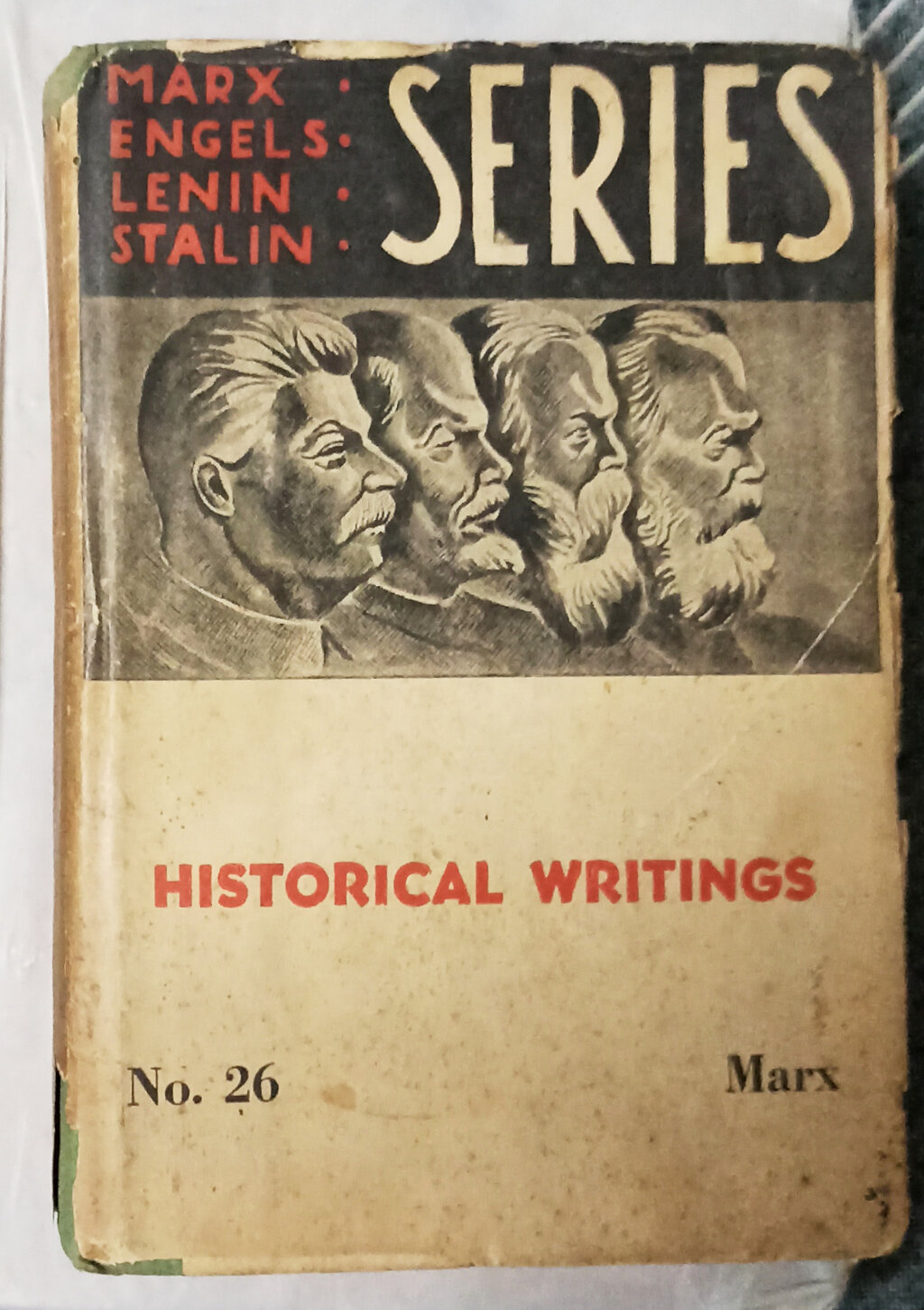
Marx predicted that the proletariat would eventually rise up in a violent revolution, overthrow the bourgeoisie, and establish a classless, communist society where the means of production were owned by all. These ideas, though banned by the Tsarist government, were smuggled into Russia and spread secretly among workers and intellectuals. For many who felt powerless, Marxism offered a compelling explanation for their suffering and a hopeful vision for the future.
Proletariat
noun
The industrial working class in a capitalist society, whose only possession of significant economic value is their labor power.
Small, clandestine revolutionary parties began to form, inspired by Marxist ideology. They organized workers, distributed pamphlets, and planned for the day they could turn theory into action. The combination of an unyielding monarchy, deep social inequality, and a radical new ideology was creating a political powder keg. Russia was on the brink of an explosion.
How did Tsar Nicholas II view his authority to rule Russia?
What was the most significant social division in early 20th-century Russian society?