The Bolshevik Revolution Explained
Tsarist Russia
The Tsar's Unshakable Power
At the start of the 20th century, the Russian Empire was an autocracy. This meant all power rested in one person: the Tsar. Unlike monarchs in other European nations, who were often limited by constitutions and parliaments, the Russian Tsar’s authority was absolute. He was the head of state, the commander of the military, and the supreme leader of the Orthodox Church. Many believed his right to rule came directly from God.
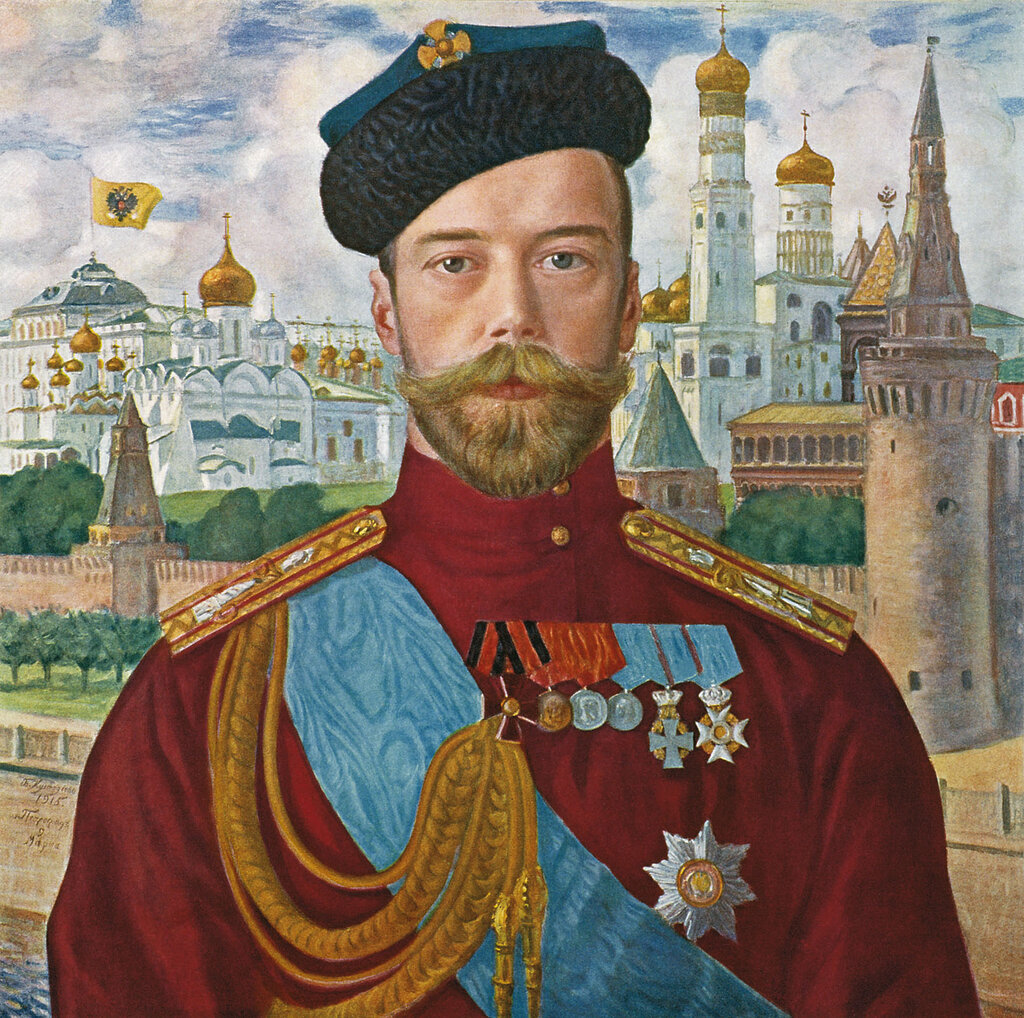
To maintain this grip on power, the Tsarist regime relied on a vast bureaucracy, a powerful army, and a secret police force known as the Okhrana. Political parties were banned, censorship was strict, and anyone suspected of opposing the Tsar could be imprisoned or exiled to Siberia without a trial. There was no room for public participation in government. The Tsar and his appointed ministers made all the decisions for over 125 million people.
A Deeply Divided Society
Russian society was structured like a rigid pyramid. At the very top was the Tsar and the royal family. Just below them was a small, privileged class of nobles, high-ranking clergy, and top military officers. This elite group owned most of the land and wealth but made up less than 1% of the population.
The vast majority of the population, nearly nine out of every ten people, were peasants. Although serfdom had been abolished in 1861, their lives remained incredibly difficult. Most were poor, illiterate, and worked small plots of land using outdated farming techniques. They were burdened by heavy taxes and redemption payments for the land they had received after emancipation. Famine was a constant threat.
A small but growing class of industrial workers, the proletariat, was concentrated in the cities. They endured terrible working conditions, long hours, and low pay in the new factories. Below them all was a small but influential middle class of merchants, doctors, and lawyers, who often desired political reforms and a greater say in how the country was run.
An Economy Under Strain
Compared to Western powers like Britain and Germany, Russia was economically underdeveloped. Its economy was overwhelmingly agricultural, and its industrial base was small. In the 1890s, the government pushed for rapid industrialization, funding the construction of factories and railways, like the famous Trans-Siberian Railway. While this led to economic growth in some areas, it came at a high cost.
The industrial boom was financed by heavy taxes on the peasants and huge foreign loans. This created new social tensions, pulling millions from the countryside to work in harsh urban conditions and increasing the financial pressure on those who remained.
This combination of political repression, deep social inequality, and economic hardship created fertile ground for revolutionary ideas. By the early 1900s, various opposition groups were gaining support. Some wanted a liberal democracy, others believed the peasants would lead a great uprising, and a growing number were drawn to the Marxist idea of a revolution led by the industrial working class.
The disastrous performance in the Russo-Japanese War of 1904-1905 shattered the image of the Tsar's military might and led to widespread unrest, culminating in the Revolution of 1905. Though the Tsar's regime survived, it was a dress rehearsal for what was to come. The deep problems within Russian society had been exposed, and the calls for change were growing louder.
What was the defining characteristic of the Russian government at the start of the 20th century?
Which social class made up the overwhelming majority of the Russian population in the early 1900s?