The Bolshevik Revolution Explained
Tsarist Russia
The Tsar's Absolute Power
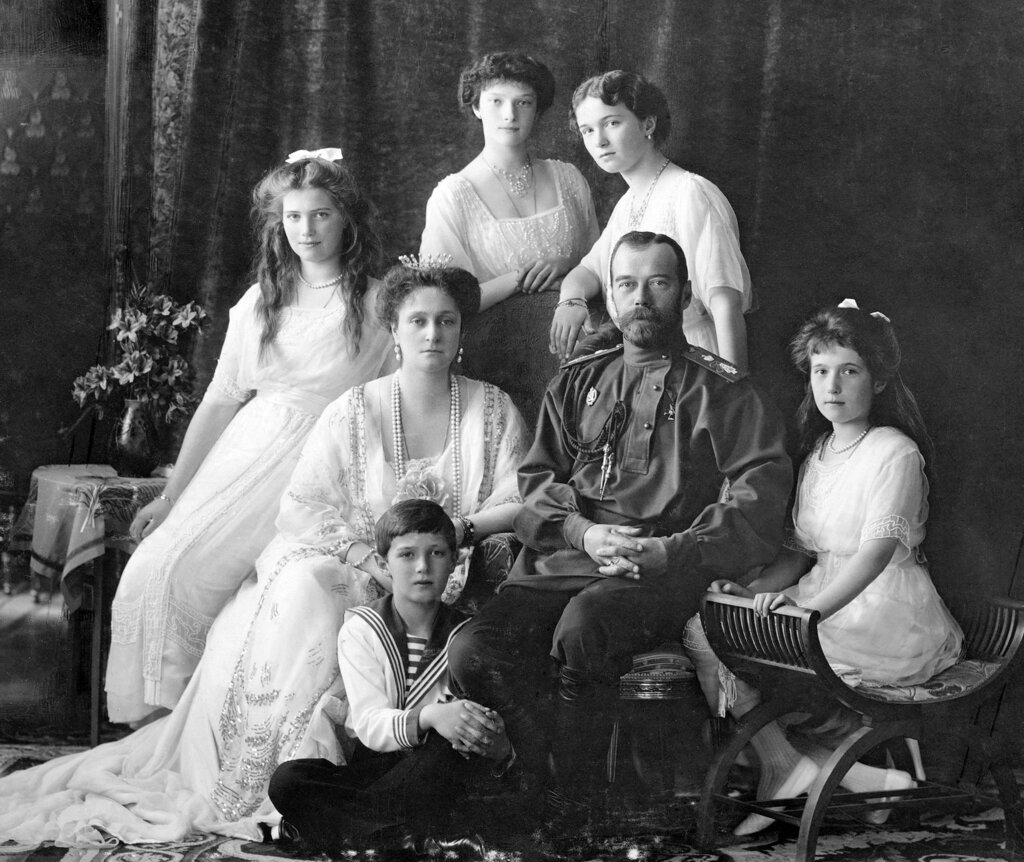
In the vast Russian Empire, one person held all the power: the Tsar. This wasn't like a modern president or prime minister who has to answer to a parliament or the people. The Tsar was an autocrat, meaning his will was law. There were no constitutions or legal bodies that could limit his authority. He was seen not just as a political leader but as a figure appointed by God to rule over Russia.
Autocracy
noun
A system of government by one person with absolute power.
This system of rule had been in place for centuries. The Romanov dynasty, which ruled from the 17th century until the revolution in 1917, solidified this model of absolute monarchy. The Tsar commanded the military, controlled the Orthodox Church, and appointed all government officials. His power reached into every corner of the empire, at least in theory. In practice, the sheer size of Russia made direct control difficult, so the Tsar relied on a massive bureaucracy and a loyal nobility to enforce his rule.
A Society of Orders
Tsarist Russia was a deeply stratified society, more like medieval Europe than a modern industrial nation. A person's position in life was largely determined by birth, not by talent or hard work. This rigid social structure was a source of immense tension.
At the very top was the Tsar and the royal family. Below them were the nobility and high-ranking clergy, who owned most of the land and enjoyed immense privileges. This tiny fraction of the population, about 10%, controlled the country's wealth and held all the key positions in the government and military.
The vast majority of the population, well over 80%, were peasants. For centuries, most of them had been serfs, legally bound to the land owned by nobles. Serfdom was abolished in 1861, but this did little to improve their lives. Freed peasants were burdened with heavy redemption payments for the small plots of land they received, and they continued to live in deep poverty, using outdated farming techniques.
Russia's Industrial Sprint
Compared to Western Europe, Russia was late to industrialize. But in the late 19th century, the government pushed for rapid industrial growth, focusing on railways, coal, and iron production. This state-driven industrialization created a new social class: the urban working class, or proletariat.
Workers were often former peasants who had moved to cities like St. Petersburg and Moscow seeking a better life. What they found were terrible working conditions, long hours, and low pay. They were crammed into unsanitary and overcrowded housing with few rights. Unlike in other countries, trade unions were illegal in Russia, so workers had no legal way to fight for better conditions.
This created a concentrated and deeply discontented population in the cities. While the industrial working class was small compared to the peasantry, its strategic location in key urban centers made it a potent force for revolutionary ideas. The stark contrast between the wealth of the elite and the misery of the workers and peasants created a society ripe for radical change.
What does it mean that the Tsar of Russia was an "autocrat"?
Which social class emerged as a result of Russia's state-driven industrialization in the late 19th century?