The Birth of Broadway
Early New York Theatre
The First Stages
New York City’s theatrical tradition didn’t begin with the bright lights of Broadway. Its roots are far humbler, found in the narrow, cobblestoned streets of Lower Manhattan. Long before Times Square became a global landmark, the city’s first significant playhouse, the Theatre on Nassau Street, opened its doors in 1753. It was a simple wooden building, but it was a start.
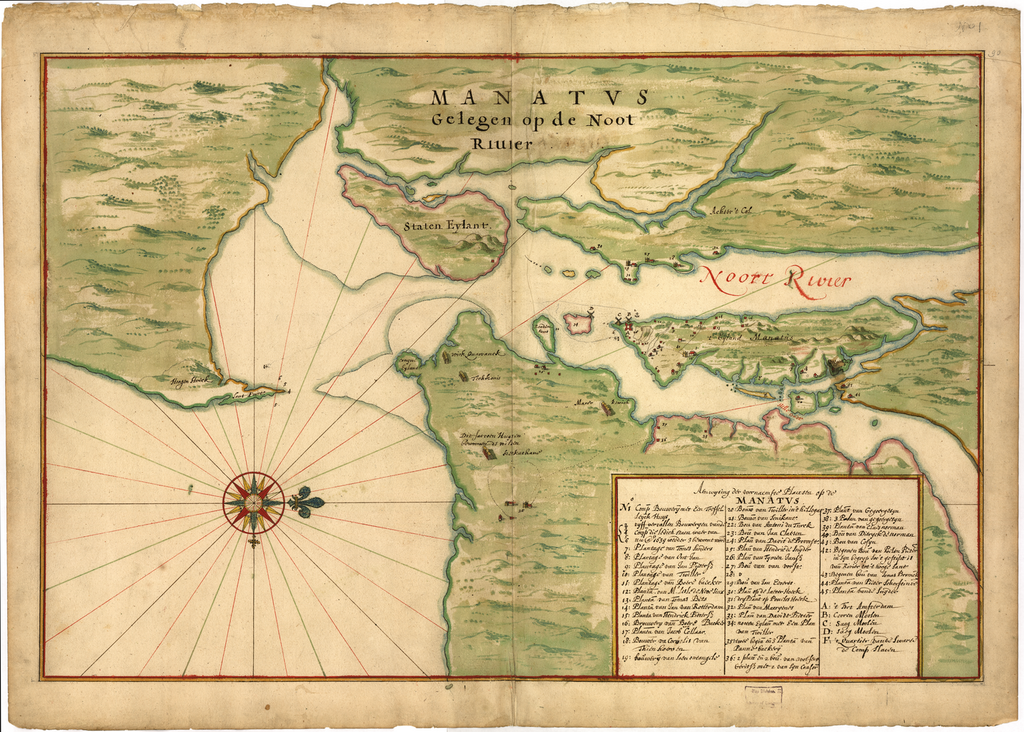
This early theater hosted a company of professional actors from London. They performed the classics of the day, with William Shakespeare's plays being a particular favorite among colonial audiences. Alongside dramas, a lighter form of entertainment also gained popularity: the ballad opera.
ballad opera
noun
A genre of musical theatre that uses popular tunes of the day with new, often satirical, lyrics.
These performances offered a mix of high art and popular culture, setting a precedent for the diverse entertainment landscape that would later define New York. But this budding scene was about to face a major interruption.
An Intermission for War
The American Revolution put a pause on nearly all theatrical activity. The Continental Congress, viewing theatre as a frivolous and potentially immoral distraction during a time of war and scarcity, banned performances in 1774. Theaters, including the one on Nassau Street, went dark.
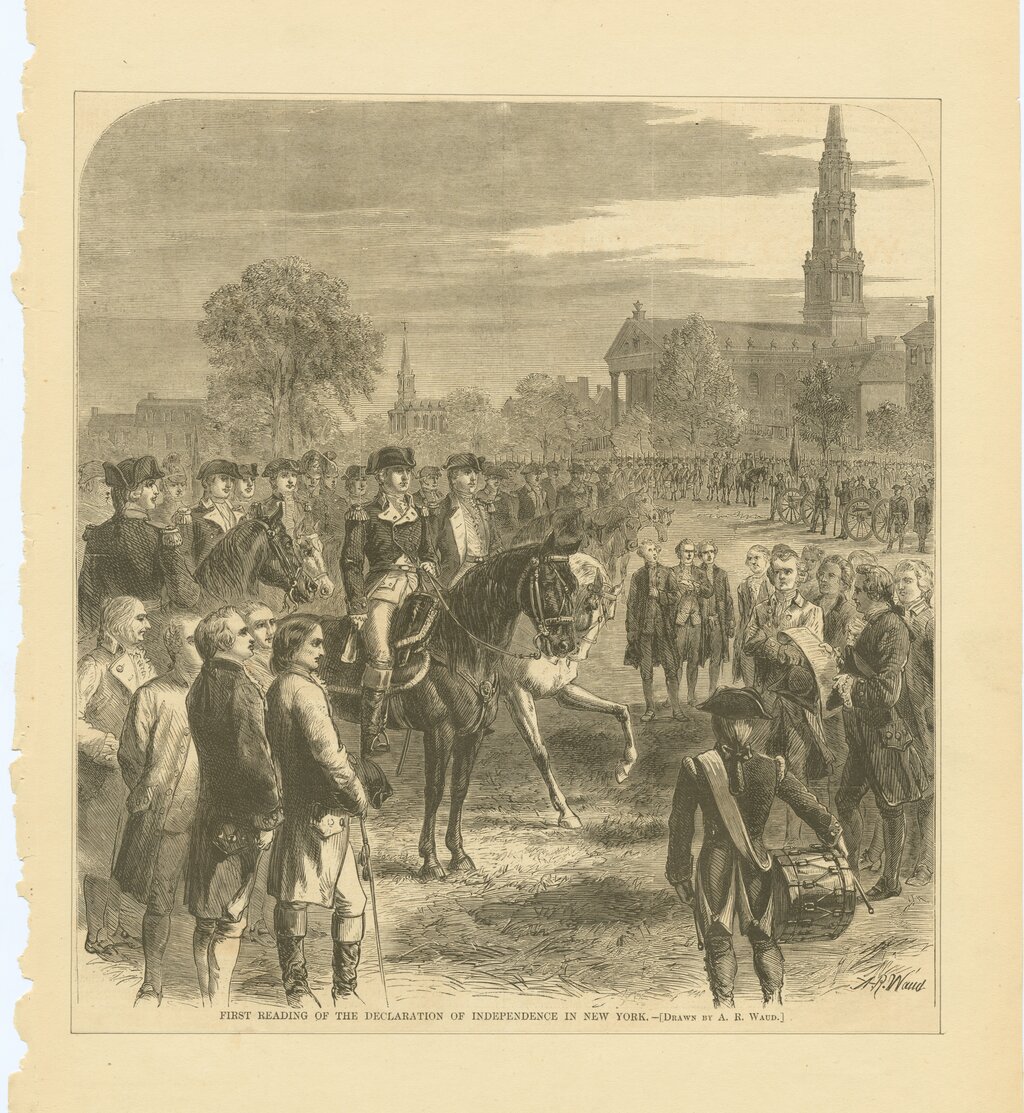
During the British occupation of New York, military officers occasionally staged their own amateur productions. But professional theatre wouldn't truly return until after the war was won and the new nation began to find its cultural footing.
A New Act Begins
With independence secured, New York's cultural life slowly rekindled. In 1798, a grand new venue opened its doors: the Park Theatre. Located on Park Row, across from what is now City Hall Park, this was a far more impressive structure than its predecessors. It could seat around 2,000 people and quickly became the city's leading playhouse.
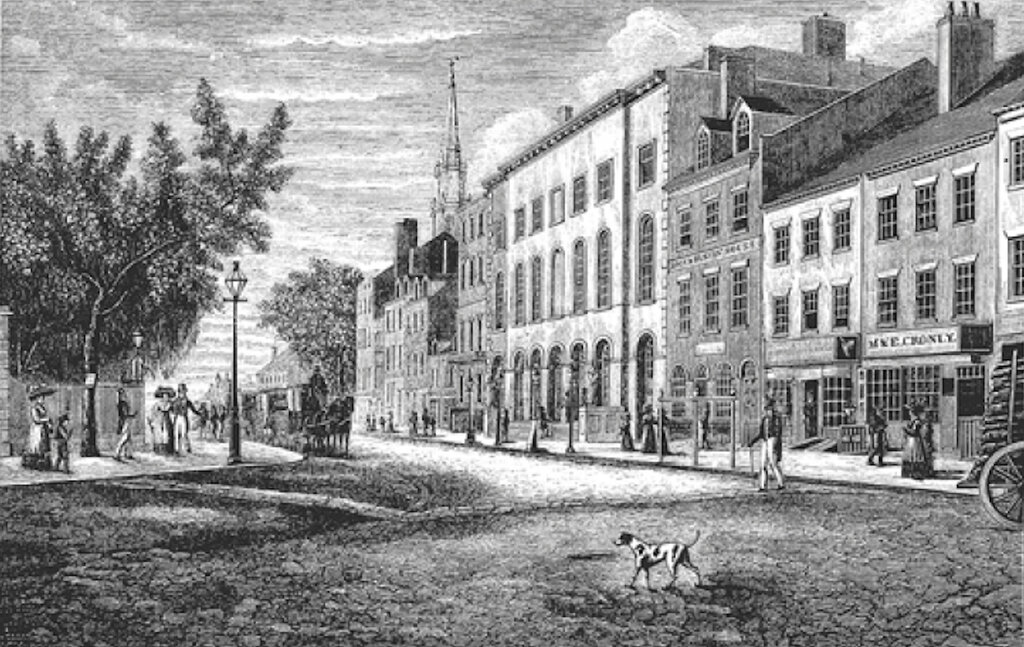
The Park Theatre continued the tradition of presenting Shakespeare, but it also showcased American-written plays, helping to foster a native theatrical voice. It was the center of New York's social and cultural life for decades, hosting the era's most famous actors and performers.
The Park Theatre solidified New York's status as a major center for the arts in the young United States.
As the 19th century progressed, New York City was expanding rapidly. The population grew, and the city's grid pushed relentlessly northward. For theatre owners, the once-spacious confines of Lower Manhattan started to feel cramped and expensive.
The Northward Migration
The search for cheaper land and new audiences spurred a gradual but steady migration of theaters uptown. What started on Nassau Street and flourished on Park Row began to move north. By the mid-1800s, fashionable new theaters were opening around areas like Union Square and, later, Madison Square.
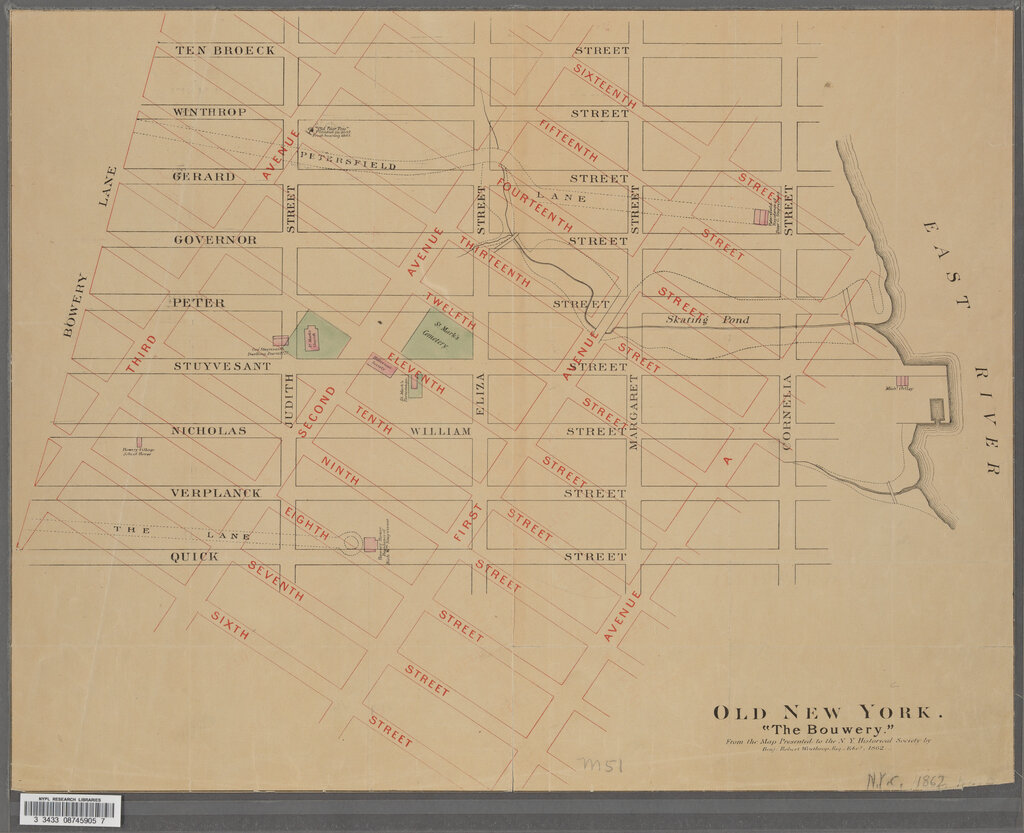
This shift wasn't just about geography; it reflected the city's own transformation. As New York grew, its entertainment district moved with it, constantly seeking the city's center of gravity. Each new location represented a new chapter in the story of New York theatre, paving the way for the eventual concentration of playhouses in the area we now know as Broadway.
Time to review the key terms from this early period.
Let's see what you've learned about the beginnings of theatre in New York.
What was the name of New York City's first significant playhouse, which opened in 1753?
What major event caused a temporary halt to professional theatrical activity in New York in 1774?
This northward march set the stage for the creation of a centralized theater district, a topic for another day.