The Bill of Rights Explained
Origins of the Bill of Rights
The Great Debate
After the Constitutional Convention of 1787, the new United States Constitution was sent to the states for ratification. It was a bold blueprint for a new form of government, but it wasn't universally loved. A fierce debate erupted, splitting the nation's thinkers into two main camps: the Federalists and the Anti-Federalists.
The Federalists, led by figures like Alexander Hamilton and James Madison, championed the Constitution as written. They argued that a strong central government was essential for the nation's survival. They also believed a separate bill of rights was unnecessary. In their view, the Constitution already limited the government's power by only granting it specific, enumerated powers. Why list rights the government had no authority to violate in the first place? Hamilton even warned that listing specific rights could be dangerous, implying that any right not listed was not protected.
The Anti-Federalists, on the other hand, feared the new Constitution created a central government that was too powerful. They worried it would trample on the rights of individuals and the states. Thinkers like Patrick Henry and George Mason argued that without a clear, explicit list of protected liberties, the federal government could become tyrannical. They pointed out that many state constitutions already had their own bills of rights and insisted the national one should too.
This debate was the key hurdle for the Constitution's ratification. Several states agreed to ratify it only on the condition that a bill of rights would be added immediately.
Looking to the Past
The idea of a document listing citizens' rights was not new. The Anti-Federalists were drawing on a deep well of historical precedent, both from England and from their own colonial experience.
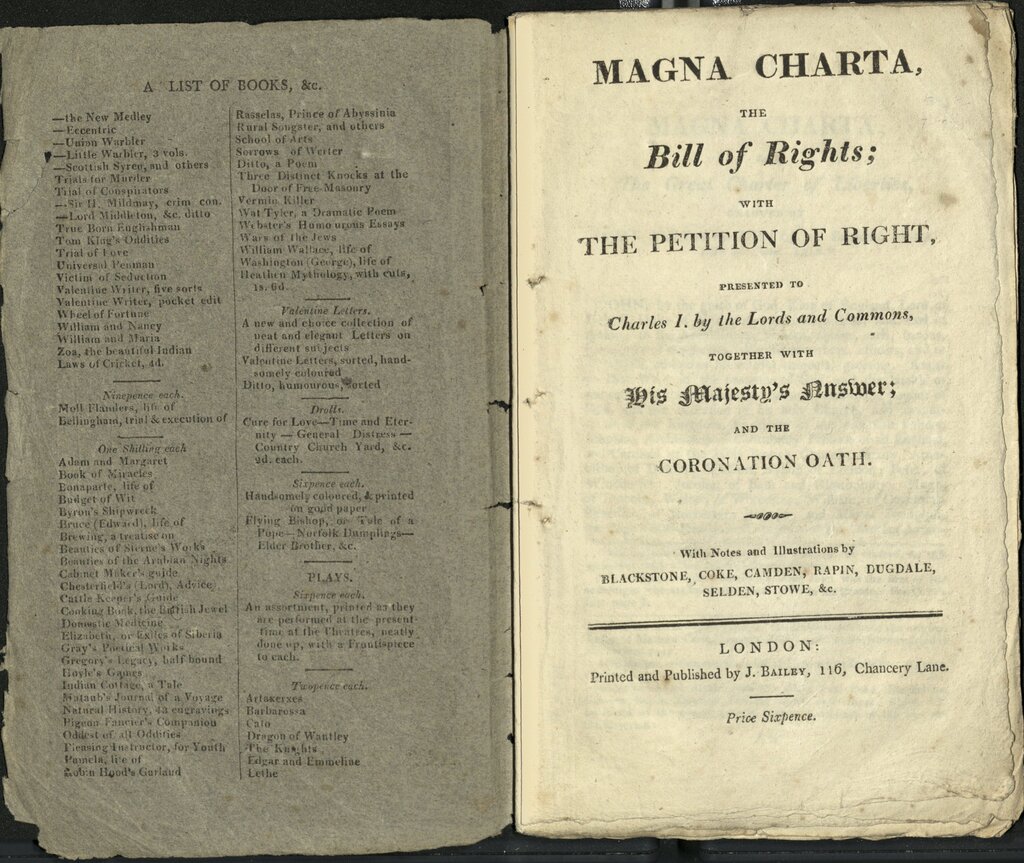
A major influence was the English Bill of Rights of 1689. This act was passed by Parliament after the Glorious Revolution and placed clear limits on the power of the monarchy. It guaranteed rights like free elections, freedom of speech in Parliament, and protection from cruel and unusual punishments. American colonists saw themselves as heirs to these rights and believed they were fundamental to a just society.
An even more direct model came from the states themselves. In 1776, just before the Declaration of Independence was signed, Virginia adopted its own Declaration of Rights. Authored primarily by George Mason, it became a blueprint for other states and, eventually, for the U.S. Bill of Rights.
The Virginia Declaration of Rights asserted inherent natural rights, including life, liberty, and the pursuit of happiness and safety. It also protected freedom of the press and religion.
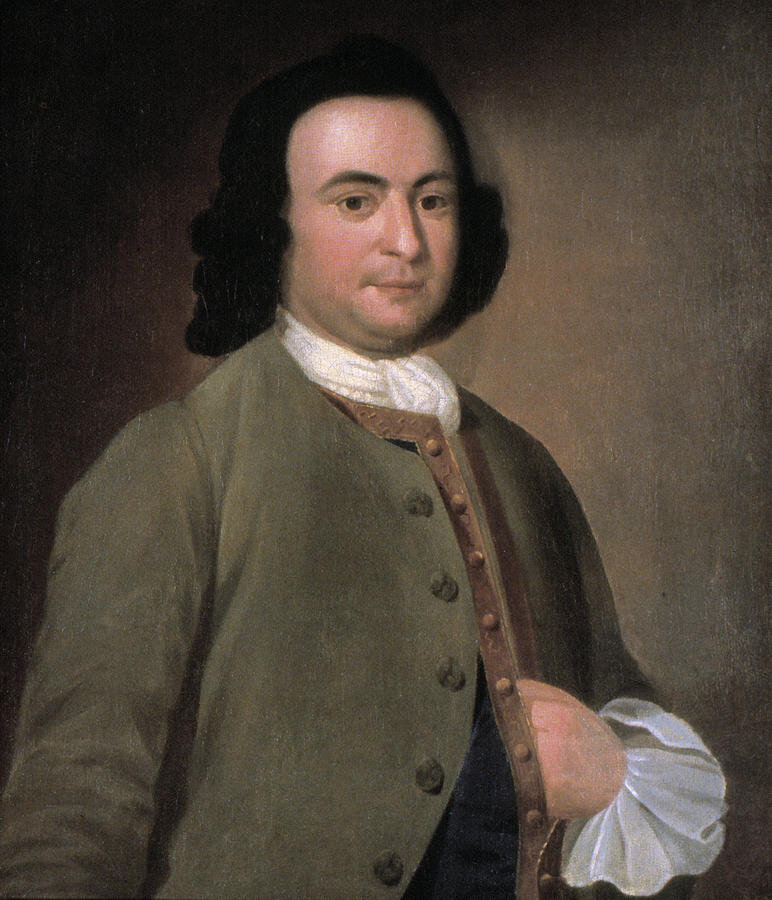
These documents provided powerful arguments for the Anti-Federalists. They showed that explicitly listing rights was a proven way to limit government power and protect individual liberty.
A Promise Kept
To win over the Anti-Federalists and secure ratification, the Federalists made a crucial compromise. They promised that the first order of business for the new Congress would be to consider amendments to the Constitution that would serve as a bill of rights.
True to his word, James Madison, who had initially been skeptical, took the lead in drafting the amendments. He sifted through the dozens of proposals from the state ratifying conventions, drawing heavily from the Virginia Declaration of Rights. He proposed a set of amendments to the First Congress in 1789.
After debate and refinement in both the House and the Senate, twelve amendments were sent to the states for ratification. Ten of them were approved by 1791, and these became what we now know as the Bill of Rights. They were a direct result of the heated debates over the power of government and a deeply rooted belief in the importance of individual freedom.
What was the central argument of the Anti-Federalists against the original U.S. Constitution as drafted in 1787?
Why did Federalists like Alexander Hamilton initially argue that a bill of rights was unnecessary and even potentially dangerous?
This compromise cemented the foundation of American government, balancing the need for an effective national government with the protection of fundamental liberties.