The Bible Explored
Introduction to Biblical Context
The World of the Bible
Reading the Bible without understanding its context is like reading someone else's mail. You can make out the words, but you're missing the relationship between the people, their shared history, and the world they live in. The Bible was written for us, but it wasn't written to us. Its original authors and audiences lived in a time and place vastly different from our own.
To truly grasp the message of the scriptures, we need to step into their world. This means understanding the geography, the flow of history, and the cultural norms that shaped the thoughts and lives of the people within its pages. When we do, the stories, laws, and prophecies come alive with new meaning.
One of the most important aspects of studying biblical events is grasping the historical and cultural background in which they occurred.
A Map and a Clock
Geography is a silent character in the biblical story. Most of the events take place in a region known as the Ancient Near East. A key part of this area is the Fertile Crescent, an arc of land stretching from the Persian Gulf, through Mesopotamia (modern-day Iraq), and down the Mediterranean coast. It was a cradle of civilization, home to powerful empires like Egypt, Assyria, Babylon, and Persia.
At the center of it all was a small strip of land called Canaan, later known as Israel. This territory was a land bridge connecting three continents: Africa, Asia, and Europe. Because of its strategic location, it was a constant battleground for empires seeking to control trade routes and expand their influence. This geographical reality is the backdrop for much of Israel's history of conflict, exile, and hope.
Just as important as the 'where' is the 'when'. The biblical narrative unfolds over thousands of years, across distinct historical periods. It's not one monolithic story but a library of writings from different eras, each with its own political and social realities. The world of Abraham's nomadic tribe is vastly different from the world of the Apostle Paul living under Roman occupation. Knowing the historical setting helps us understand the specific challenges and circumstances the people were facing.
| Period | Approximate Dates | Key Biblical Events/Figures |
|---|---|---|
| The Patriarchs | 2000-1700 BC | Abraham, Isaac, Jacob; migration to Egypt |
| Exodus & Conquest | 1500-1200 BC | Moses, the exodus from Egypt, wandering |
| Judges | 1200-1050 BC | Loose confederation of tribes, figures like Samson |
| United Monarchy | 1050-930 BC | Kings Saul, David, and Solomon; building the Temple |
| Divided Kingdom | 930-586 BC | Split into Israel (north) and Judah (south) |
| Exile | 586-538 BC | Jerusalem's destruction; exile in Babylon |
| Persian Period | 538-332 BC | Return from exile, rebuilding the Temple |
| Hellenistic Period | 332-167 BC | Greek influence after Alexander the Great |
| Roman Period | 63 BC onward | Roman rule; the time of Jesus and the early church |
Life in Ancient Times
Beyond maps and timelines, we need to understand the culture—the shared assumptions and values that guided everyday life. Ancient Near Eastern societies were fundamentally different from most modern Western ones.
First, they were collectivist, not individualistic. A person's identity was tied to their family, clan, and tribe. The good of the group was far more important than personal ambition. This was an honor-shame culture, where maintaining the honor of your family and community was a primary virtue. Public reputation meant everything.
Society was also structured around kinship. Marriages were about alliances between families, not just romance between two people. The world was patriarchal, with the eldest male acting as the head and representative of the extended family household. These structures shape everything from property laws in Deuteronomy to Paul's household instructions in his letters.
Covenant
noun
A formal, binding agreement between two parties, with promises, obligations, and consequences. In the Bible, it's the primary way God relates to his people.
Religion was not a separate category of life; it was intertwined with everything—family, politics, farming, and health. Gods and goddesses were seen as active players in the world. Israel's belief in one, sovereign God who entered into a covenant with them was a radical idea in a world of polytheism. This core belief is the engine that drives the entire biblical narrative.
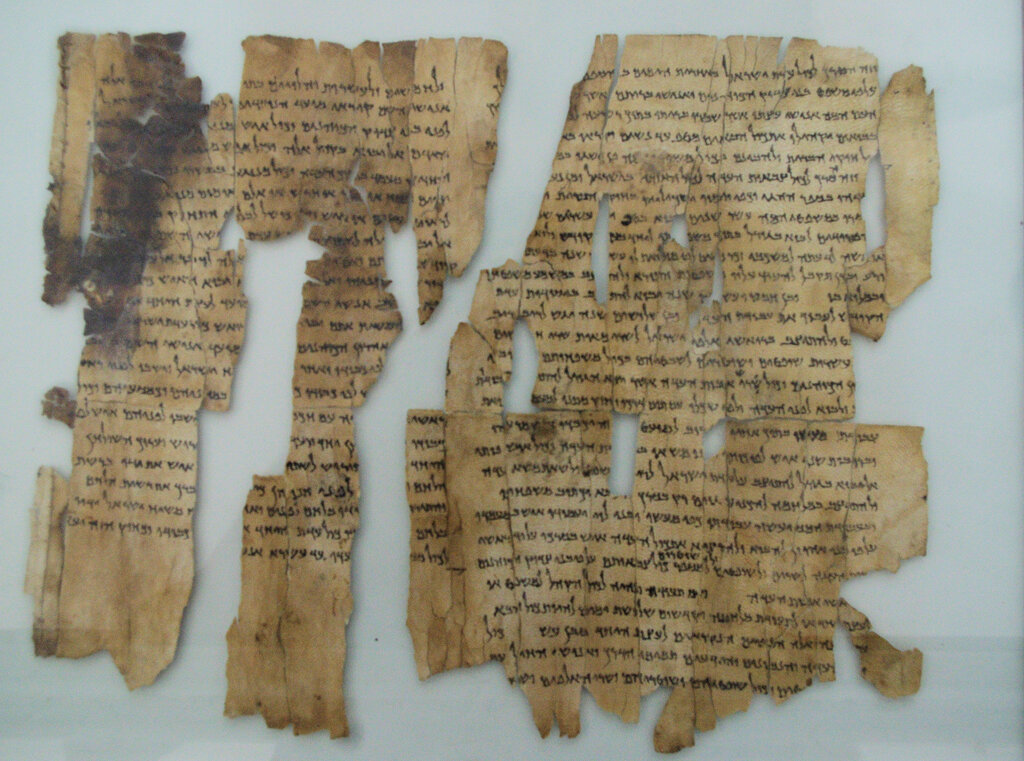
Understanding this ancient context doesn't diminish the Bible's message; it clarifies it. It helps us read the text as its original audience would have heard it, allowing us to better bridge the gap between their world and ours.
The provided text explains that reading the Bible without understanding its context is like...
Due to its strategic location as a land bridge, the territory of Canaan/Israel was often a battleground for empires seeking to control trade routes. Which three continents did it connect?