The Beatles Phenomenon
Origins and Early Years
From Quarrymen to Beatles
The story begins not with a bang, but with a church fair. On July 6, 1957, in a Liverpool suburb, a 16-year-old John Lennon was playing with his skiffle group, The Quarrymen. Skiffle was a folksy, DIY style of music popular in post-war Britain, played with whatever instruments were on hand, like washboards and tea-chest basses. In the audience was a 15-year-old Paul McCartney. Impressed by Lennon's stage presence, and in turn impressing Lennon by knowing all the chords and lyrics to Eddie Cochran's "Twenty Flight Rock," McCartney soon joined the band.
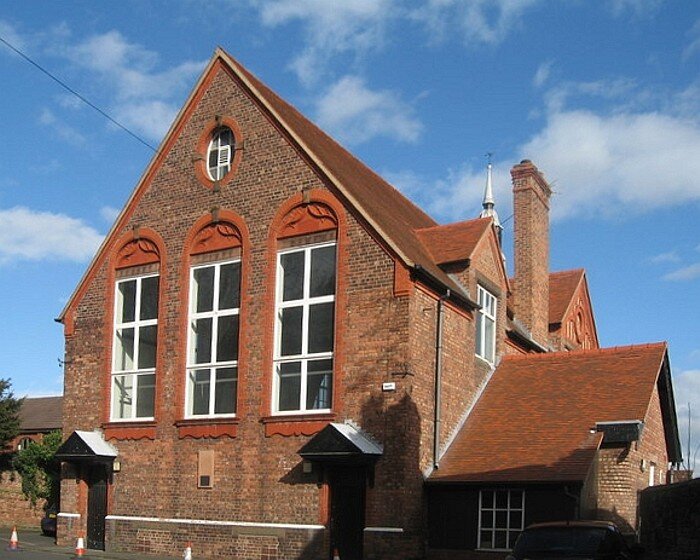
This partnership was the core of what would become The Beatles. They were children of post-war Liverpool, a port city that was still rebuilding but had a direct line to American culture. Sailors brought back rock and roll records that couldn't be found anywhere else in Britain. The raw energy of artists like Elvis Presley, Little Richard, and Chuck Berry was a revelation, a vibrant escape from the gray reality of rationing and reconstruction. Soon, a young George Harrison joined on lead guitar, and the band cycled through a few other members, honing their sound by playing anywhere they could.
Hamburg's Crucible
Before they conquered the world, The Beatles sharpened their skills in the rough port city of Hamburg, Germany. Between 1960 and 1962, the band completed five extended residencies in the city's gritty clubs. The conditions were grueling. They played for up to eight hours a night, fueled by cheap beer and amphetamines, performing for a mix of sailors, locals, and gangsters.
This intense schedule forced them to expand their setlist dramatically, learning hundreds of songs from rock standards to pop ballads. It was a musical boot camp.
The Hamburg years transformed them from a decent local band into a tight, professional, and electrifying live act. Their stamina grew, their harmonies tightened, and their stage presence became magnetic. They had to be loud and captivating just to be heard over the noisy clubs. It was also during this period that the band's lineup shifted. Original bassist Stuart Sutcliffe left the band to pursue art, and after using a few different drummers, the group settled on Pete Best just before their first Hamburg trip.
The Sound of Merseyside
Returning to Liverpool between Hamburg stints, The Beatles became a sensation. They were regulars at the Cavern Club, a cramped, sweaty cellar that became the epicenter of a new sound: Merseybeat. This genre blended American rock and roll, R&B, and skiffle with a driving, pop-inflected energy. Liverpool was home to hundreds of bands all playing a similar style, creating a vibrant and competitive local scene.
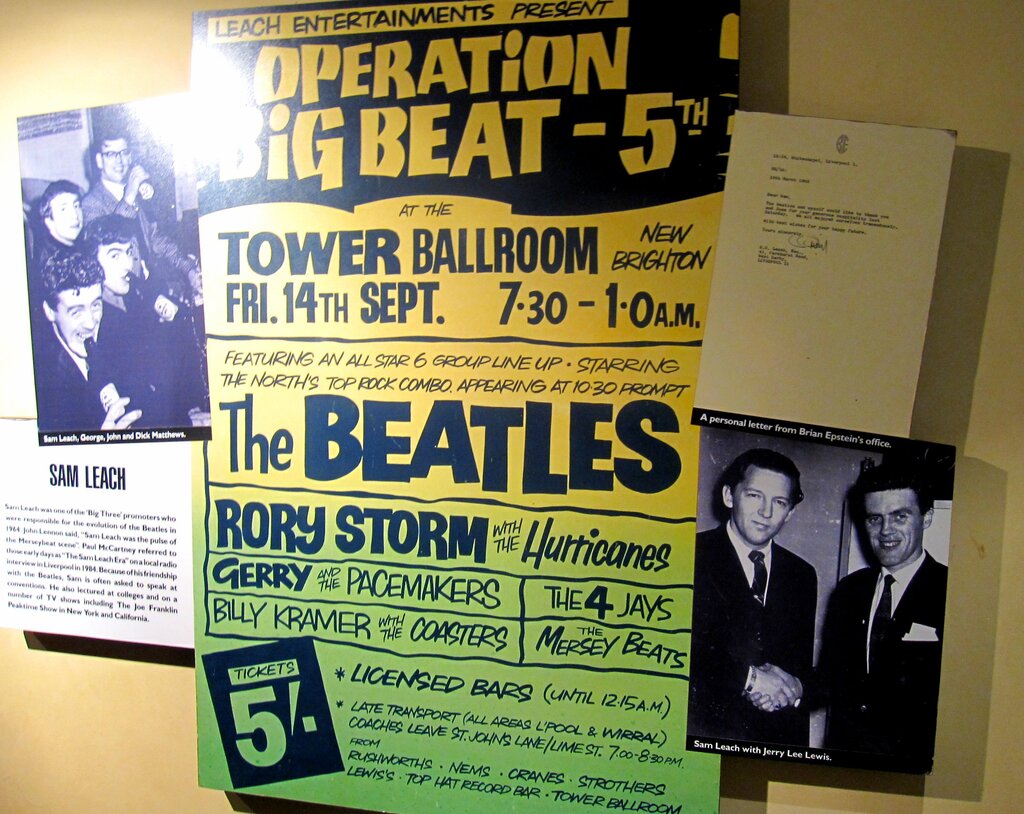
The Beatles stood out. Their time in Hamburg had made them more polished and powerful than their rivals. It was at the Cavern Club that a local record store owner named Brian Epstein saw them perform in late 1961. He was struck by their raw charisma and musical chemistry. Epstein became their manager, cleaning up their leather-clad rocker image and putting them in suits. He secured them an audition with producer George Martin at EMI's Parlophone label. Martin liked what he heard but suggested replacing drummer Pete Best. The band agreed, bringing in the affable and rock-solid Ringo Starr. The final, iconic lineup was now in place, ready to move from the cellar to the world stage.
The Beatles began as a duo with a common interest in music.
Time to check what you've learned about the band's early days.
Where did John Lennon and Paul McCartney first meet?
What was the primary impact of the band's extended residencies in Hamburg?
From a church fair and gritty German clubs, the pieces were now in place for a musical revolution.