The Battle of the Bulge
Introduction to the Battle of the Bulge
Hitler's Last Gamble
By late 1944, the tide of World War II had turned decisively against Germany. Allied forces were pushing steadily from the west, having liberated France and Belgium. It seemed the war was nearing its end. But on December 16, 1944, Hitler launched a massive, surprise counteroffensive through the dense forests of the Ardennes. This desperate, final push on the Western Front became known as the Battle of the Bulge.
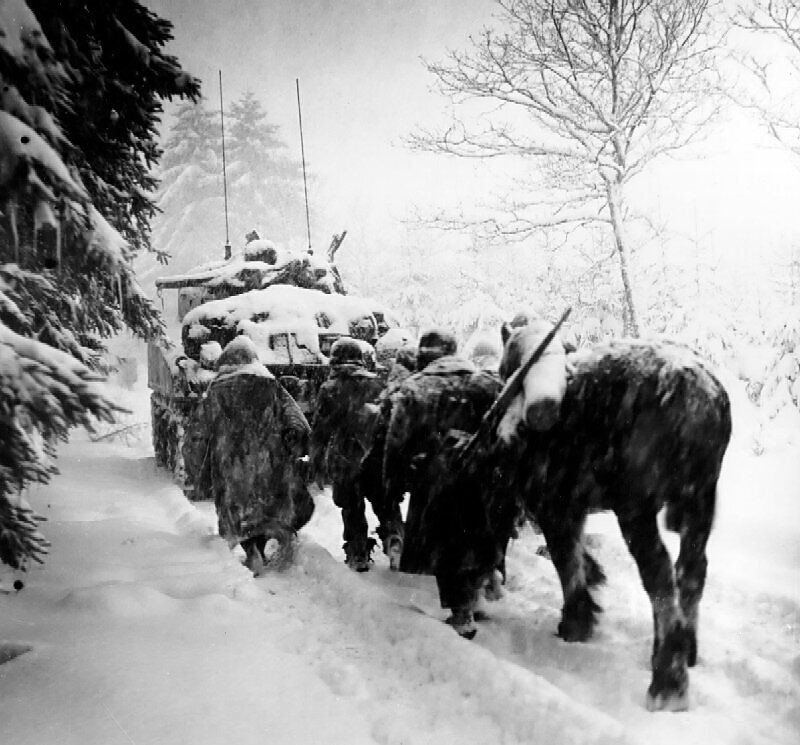
The attack caught the Allies completely off guard. The Ardennes region was considered a quiet sector, unsuitable for a major offensive, especially in the harsh winter weather. The initial German assault created a large bulge in the American front lines, giving the battle its name.
The Road to Antwerp
The German objective was ambitious and strategically vital. Hitler aimed to punch through the Allied lines, cross the Meuse River, and then swing north to capture the key port of Antwerp, Belgium. Taking Antwerp would sever the main supply line for the Allied armies in the north.
By splitting the American and British forces and crippling their logistics, Hitler hoped to force the Western Allies to negotiate a peace treaty favorable to Germany. This would allow him to concentrate all his forces on the Eastern Front against the Soviet Union.
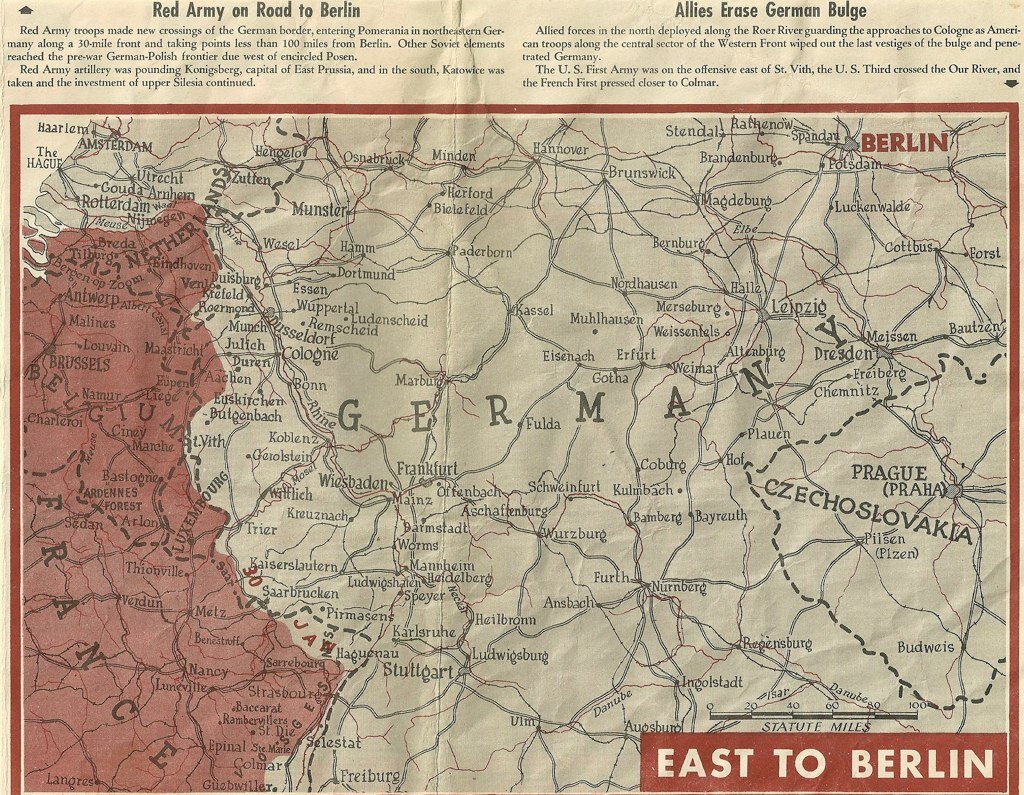
The battle raged for over a month, from December 16, 1944, until January 25, 1945. It was fought across a vast area of eastern Belgium and northern Luxembourg, a landscape of rolling hills, deep valleys, and thick forests blanketed in snow.
Commanders on the Field
The massive battle involved nearly a million soldiers and was overseen by some of the most famous commanders of the war. Leading the Allied forces were generals known for their resilience and strategic minds, while the German commanders were tasked with executing a plan of incredible audacity.
| Role | Allied Commanders | German Commanders |
|---|---|---|
| Supreme Commander | Dwight D. Eisenhower | Adolf Hitler |
| Army Group Commanders | Omar Bradley, Bernard Montgomery | Gerd von Rundstedt, Walter Model |
| Field Army Commanders | Courtney Hodges, George S. Patton | Hasso von Manteuffel, Sepp Dietrich |
These leaders would make the critical decisions that shaped the largest and bloodiest battle fought by the United States in World War II. Their actions determined the fate of the offensive and hastened the final collapse of the Third Reich.