The Basics of the Letter A
Origins of the Letter A
From Ox to Alpha
The story of the letter 'A' begins not with a sound, but with an animal. Around 4,000 years ago, ancient Egyptians used a hieroglyph that looked like the head of an ox to represent the animal itself. This simple drawing was the first ancestor of the letter we use every day.
Later, Semitic-speaking people in the Sinai Peninsula adapted this Egyptian symbol into their own writing system. They simplified the ox head into a more abstract, triangular shape. They called this letter 'aleph,' their word for ox. For them, aleph didn't represent a vowel sound like our 'a'. Instead, it stood for a sound made by briefly closing the vocal cords, known as a glottal stop.
glottal stop
noun
A consonant sound produced by obstructing airflow in the vocal tract or glottis. In English, it's the sound in the middle of the expression "uh-oh!"
The Phoenicians, great traders of the ancient world, adopted and further streamlined this script. Their aleph was a key part of the first widely used alphabet. Because they spread their writing system across the Mediterranean, it eventually reached the ancient Greeks.
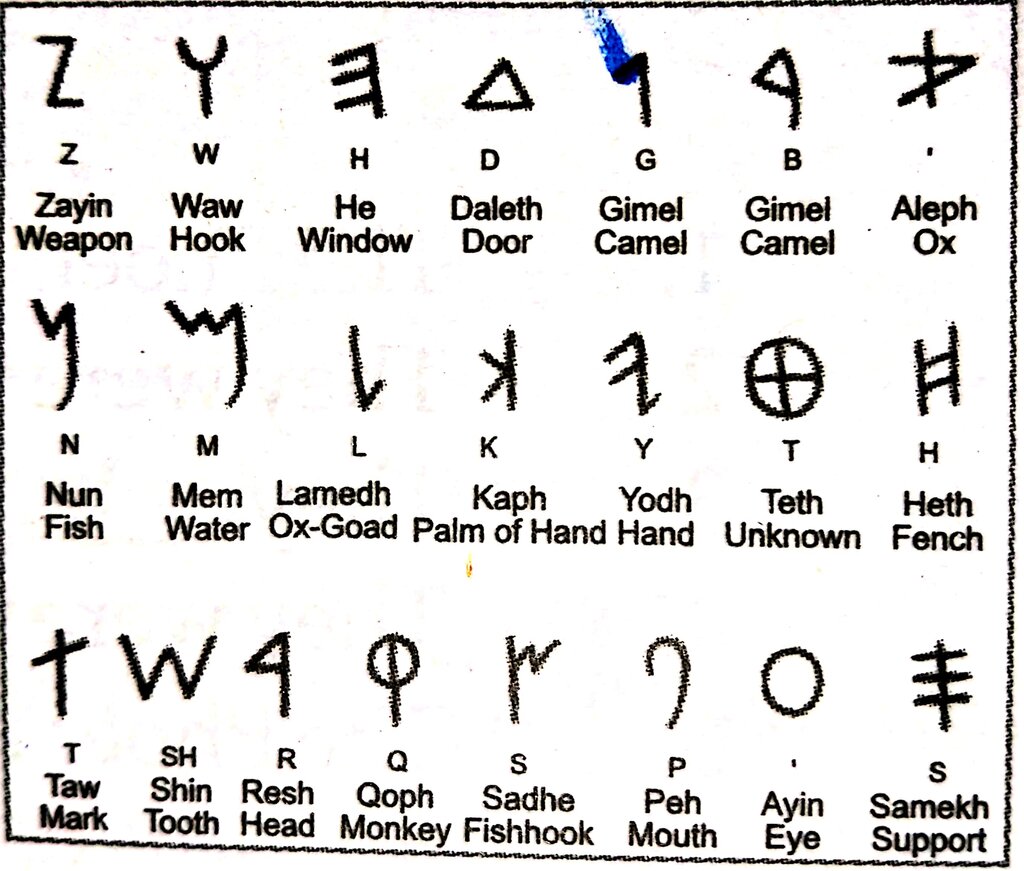
The Greeks, however, had a different need. Their language didn't use the glottal stop, so the sound of aleph was useless to them. But they were missing something crucial in their writing: vowels. In a brilliant move, they repurposed the symbol. They flipped it over, named it 'alpha,' and assigned it the vowel sound we know as 'ah'.
This was a revolutionary step. The Greeks transformed a symbol for a consonant into one for a vowel, a change that would shape Western writing systems forever.
The journey of 'A' wasn't over. The Romans adopted the Greek alphabet, making a few modifications to suit their own language, Latin. They took the Greek alpha, kept its sound, and gave it the clean, strong lines we recognize today. This became the letter 'A' in the Latin alphabet, which spread throughout Europe and the world.
From a picture of an ox to a fundamental vowel, the letter 'A' carries thousands of years of history in its simple shape.