The Basics of Cancer
Cell Biology Basics
The Cell: Life's Building Block
Every living thing, from the smallest bacterium to the largest whale, is made of cells. They are the fundamental units of life, the tiny engines that power every biological process. Think of them as microscopic bricks that build tissues, organs, and entire organisms. While they're incredibly small, each one is a bustling city of activity, with specialized structures working together to keep things running.
Biology recognizes the cell as the basic unit of life, genes as the basic unit of heredity, and evolution as the engine that propels the creation and extinction of species.
Inside the Cell
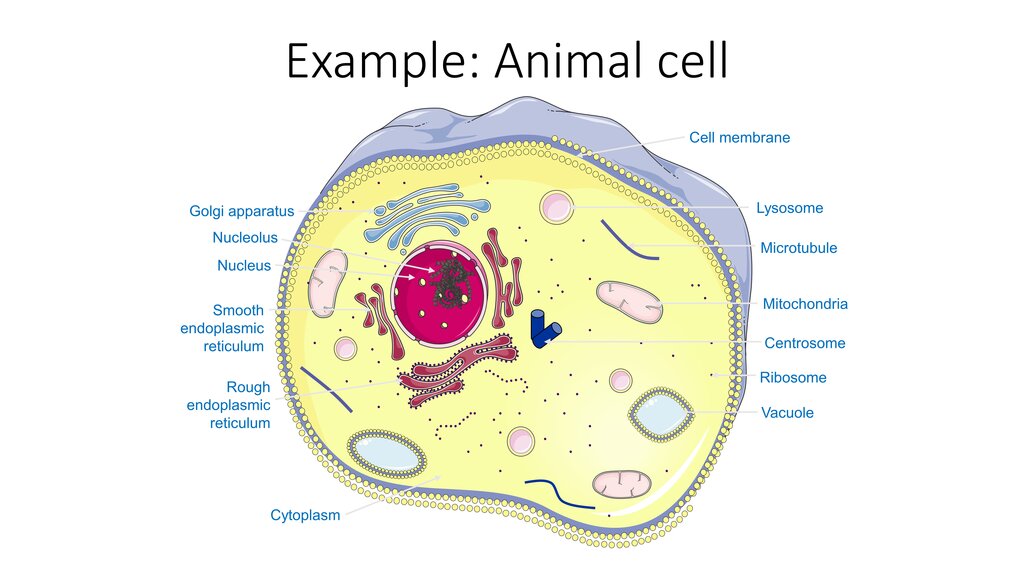
A typical animal cell contains many different parts, each with a specific job. These specialized structures are called organelles.
Organelle
noun
A specialized subunit within a cell that has a specific function.
Here are some of the most important organelles and what they do:
- Nucleus: Often called the cell's "control center," the nucleus houses the cell's genetic material, DNA. This DNA contains the instructions for everything the cell does, from growing and functioning to reproducing.
- Mitochondria: These are the powerhouses of the cell. They convert nutrients into energy that the cell can use to carry out its various tasks.
- Ribosomes: These tiny structures are protein factories. They read the instructions from the DNA (via a messenger molecule) and assemble proteins, which are essential for countless cellular functions.
- Cell Membrane: This is the outer boundary of the cell. It's a flexible barrier that controls what enters and leaves, protecting the cell's internal environment from the outside world.
- Cytoplasm: This is the jelly-like substance that fills the cell and surrounds the organelles. Many of the cell's chemical reactions happen here.
A Cell's Life Cycle
A cell doesn't just exist; it goes through a carefully regulated life cycle. This cycle allows organisms to grow, repair tissues, and reproduce. The cell cycle is divided into two main stages: interphase and the mitotic (M) phase.
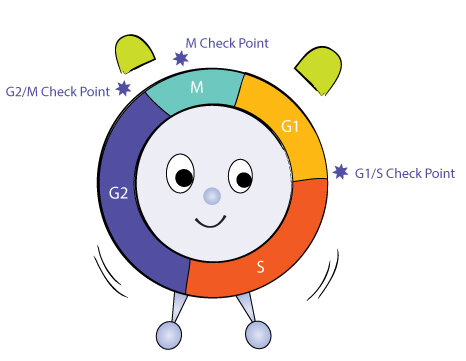
Interphase is the longest part of the cycle. During this time, the cell grows, carries out its normal functions, and prepares for division. Interphase itself has three parts:
- G1 Phase (First Gap): The cell grows in size and produces new proteins and organelles.
- S Phase (Synthesis): The cell duplicates its DNA. This is a crucial step to ensure that when the cell divides, each new cell gets a complete set of genetic instructions.
- G2 Phase (Second Gap): The cell continues to grow and makes the final preparations for division.
After interphase, the cell enters the M Phase, which is when the actual division occurs.
How Cells Divide
Cell division is the process by which a parent cell divides into two or more daughter cells. There are two main types of cell division: mitosis and meiosis. They have different purposes and outcomes.
Mitosis is the process used for growth and repair in most of your body's cells (called somatic cells). A single cell divides to produce two identical daughter cells, each with the same number of chromosomes as the parent cell. This ensures that new skin cells are the same as old skin cells, for example.
Meiosis, on the other hand, is a special type of division that produces reproductive cells, like sperm and eggs. This process involves two rounds of division and results in four daughter cells, each with half the number of chromosomes as the parent cell. This genetic reduction is why offspring inherit a mix of traits from both parents, creating genetic diversity.
These processes—cell function, the cell cycle, and division—are fundamental to all life. They are tightly controlled by complex molecular machinery to ensure everything happens correctly and at the right time. Understanding these normal processes is the first step to understanding what happens when they go wrong.
Now, let's test your knowledge of these core concepts.
Which organelle is known as the "powerhouse" of the cell because it converts nutrients into usable energy?
During which phase of the cell cycle does a cell duplicate its DNA?
With this foundation in basic cell biology, we can begin to explore how these intricate processes are related to health and disease.