The Banana Coast: Geography Climate and Travel
Defining the Banana Belt
What is a Banana Belt?
You might hear people talk about a “banana belt” and picture a tropical paradise. While these areas are warmer than their surroundings, they aren't necessarily tropical. A banana belt is a local term, not a scientific one, for any area that has a milder climate, especially in winter, compared to the regions right next to it.
Banana Belt
noun
A region that experiences warmer weather conditions than its surrounding areas, particularly during the winter months, due to specific geographical and climatic factors.
These pockets of warmth are a classic example of a microclimate, where the local weather is consistently different from the larger regional pattern. Think of it like finding a sunny, wind-protected corner in a chilly backyard. The rest of the yard might be frosty, but that one spot is noticeably more comfortable. Banana belts are just a much larger version of that same idea.
The Recipe for Warmth
So, what creates these pleasant microclimates? It's usually a combination of two key geographical ingredients: mountains and large bodies of water. The interaction between them is what cooks up a banana belt.
A mountain range acts as a shield, blocking cold air and storms. A nearby ocean or large lake moderates temperatures, preventing extreme cold.
Imagine a coastal area with a tall mountain range running parallel to the shore. Cold, arctic air sweeping down from the north smacks into this mountain wall and can't easily spill over into the coastal region. The ocean, which holds onto heat much longer than land, releases that warmth all winter, keeping the coastal strip from freezing. This combination of a mountain shield and an oceanic heater creates a mild, sheltered zone.
This setup is common along the Pacific coast of North America, leading to several well-known banana belts.
Examples in the West
The American West is full of dramatic geography, making it a perfect place to find these climatic quirks.
One of the most famous examples is the coastal strip of Southern Oregon, often called the “Banana Belt of Oregon.” The Klamath Mountains protect it from the cold inland temperatures, and the Pacific Ocean keeps it mild year-round. While the rest of the state might be dealing with snow and ice, this area often remains green and temperate.
Further north, the region around Lewiston, Idaho, and Clarkston, Washington, is another classic case. These cities sit at a low elevation in a deep canyon at the confluence of the Snake and Clearwater rivers. The surrounding highlands block frigid air, and the lower elevation keeps the area significantly warmer than the rest of the inland Northwest in the winter.
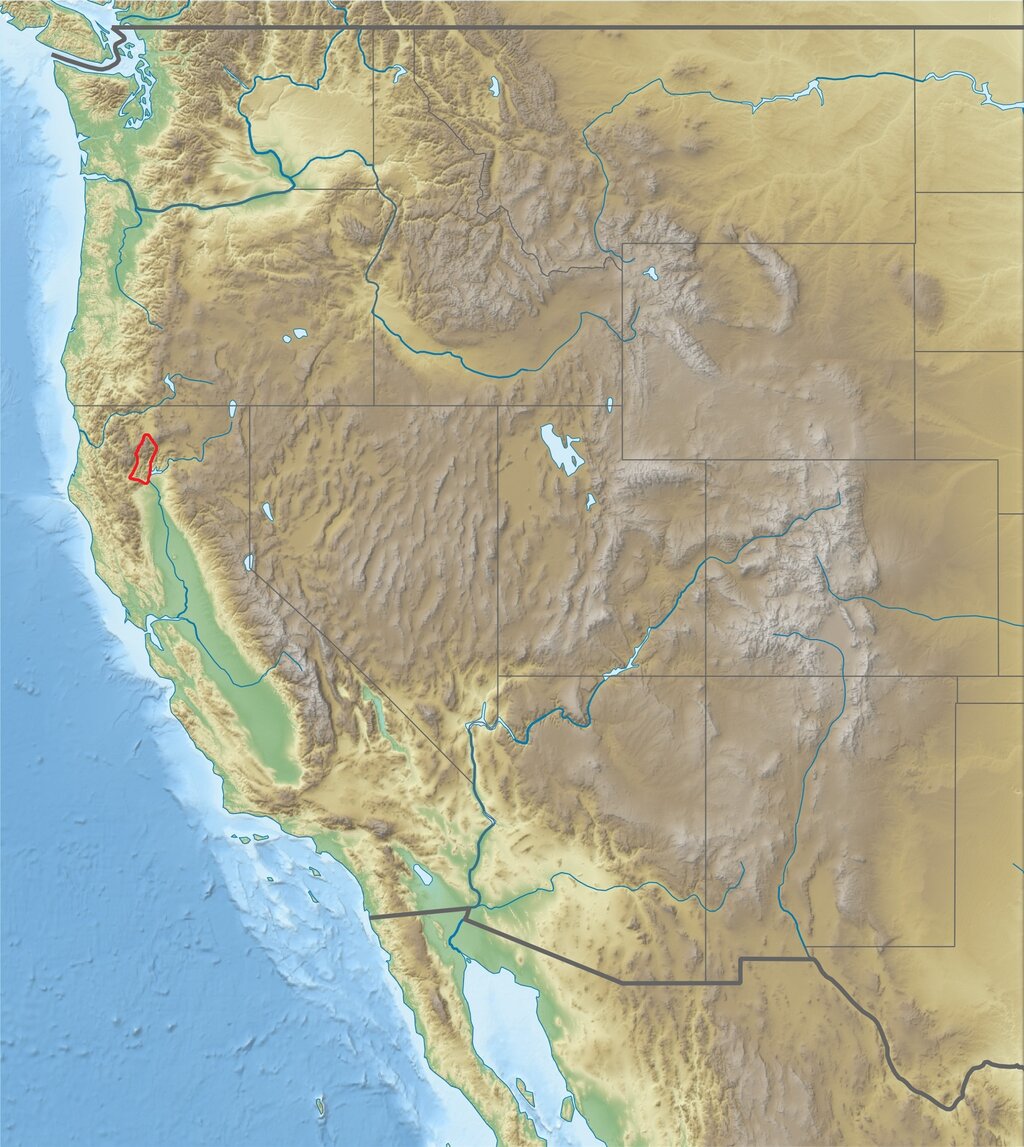
These are just a couple of examples. Similar mild pockets can be found in parts of Montana, Colorado, and even South Dakota, often in river valleys or on the leeward (downwind) side of mountain ranges.
Time to check your understanding of these concepts.
What is the best definition of a 'banana belt'?
A banana belt is a type of microclimate.
These unique microclimates show just how much local geography can shape the weather we experience day to day.