The Aztec Empire
Origins and Migration
A Journey from Aztlan
The story of the Aztecs begins with a journey. According to their legends, their ancestors, the Mexica, came from a homeland to the north called Aztlan, the “Place of Whiteness.” The exact location of Aztlan is unknown, but it's often thought to have been somewhere in what is now the southwestern United States or northern Mexico. They were one of several groups who migrated south from this mythical place.
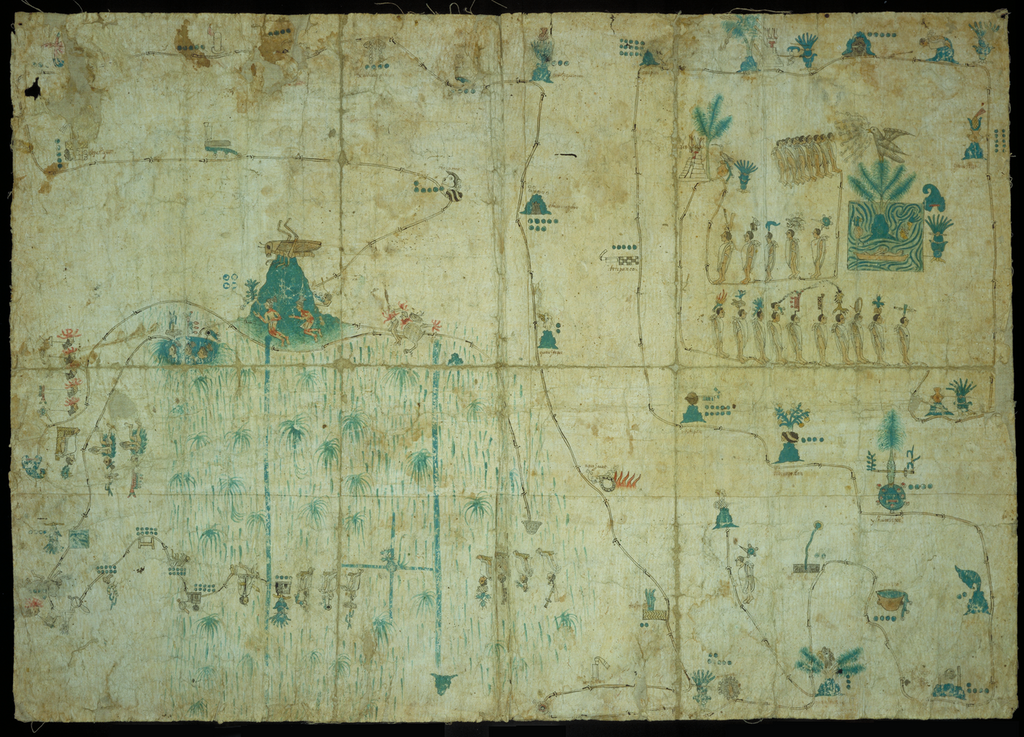
Led by their patron god, Huitzilopochtli, the Mexica embarked on a long and arduous migration that lasted for generations. They were searching for a specific sign: an eagle perched on a nopal cactus, devouring a serpent. This divine signal would mark the spot where they were to build their new home.
For years, they wandered, settling temporarily in different places before moving on. They were often seen as unwelcome newcomers by the more established groups in the regions they passed through. This long period of wandering shaped their identity, making them resilient, resourceful, and fierce warriors.
Building on Ancient Foundations
When the Mexica finally arrived in the Valley of Mexico around the 13th century, they entered a land rich with history. The valley was not an empty wilderness but the heart of Mesoamerican civilization for centuries. Great cultures had risen and fallen there long before the Aztecs appeared.
The Olmeс people, often referred to as the "mother culture" of Mesoamerica, are credited with the earliest complex societies in the region.
The Olmecs, who flourished from about 1500 to 400 BCE, left a powerful legacy. They are known for their monumental stone heads and their sophisticated understanding of astronomy and mathematics. They developed some of the earliest writing and calendar systems in the Americas. Though their civilization had vanished over a thousand years before the Aztecs' arrival, their cultural innovations echoed through the societies that followed, creating a shared foundation for Mesoamerican peoples.
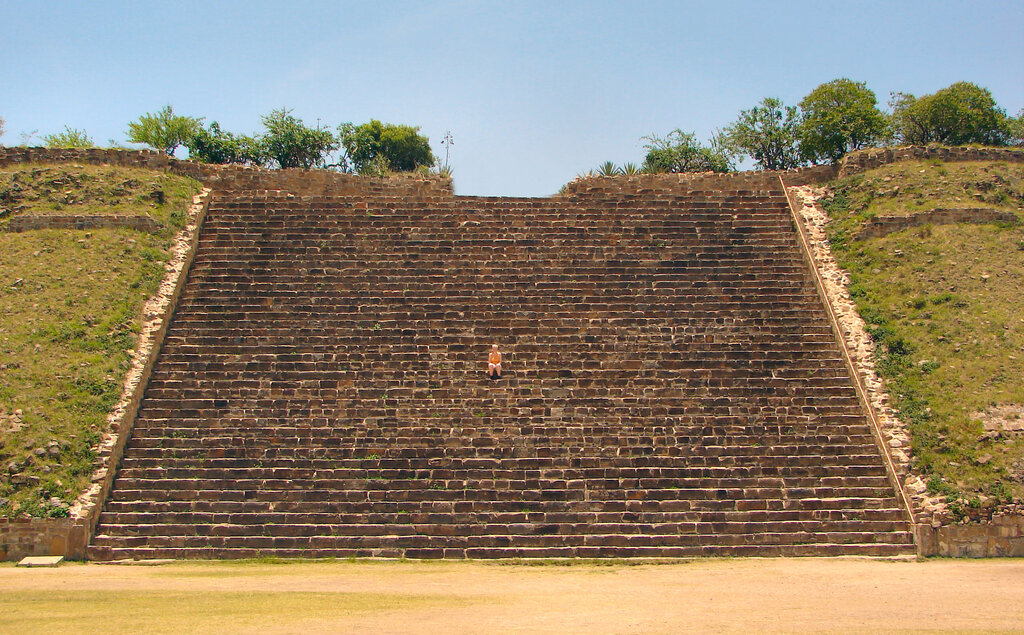
Another influential group was the Zapotecs, centered in the Oaxaca Valley. Their capital, Monte Albán, was one of the earliest cities in the Americas and flourished for over a thousand years. The Zapotecs were masters of architecture and art, and they further developed writing and calendrical systems. When the Aztecs began to build their empire, they were stepping into a world already shaped by the intellectual and cultural achievements of peoples like the Olmecs and Zapotecs.
The Eagle and the Serpent
Life was difficult for the Mexica when they first settled in the Valley of Mexico. The best land was already taken by powerful city-states. They were forced to live in the swampy, undesirable areas around Lake Texcoco, serving as mercenaries for the dominant powers of the time, like the Tepanecs of Azcapotzalco.
But their fortunes were about to change. In 1325 CE, on a small, marshy island in the middle of the lake, Mexica priests finally saw the long-awaited sign. An eagle, perched on a cactus, held a writhing serpent in its beak. This was the fulfillment of the prophecy.
Here, despite the challenging terrain, they founded their capital city: Tenochtitlán.
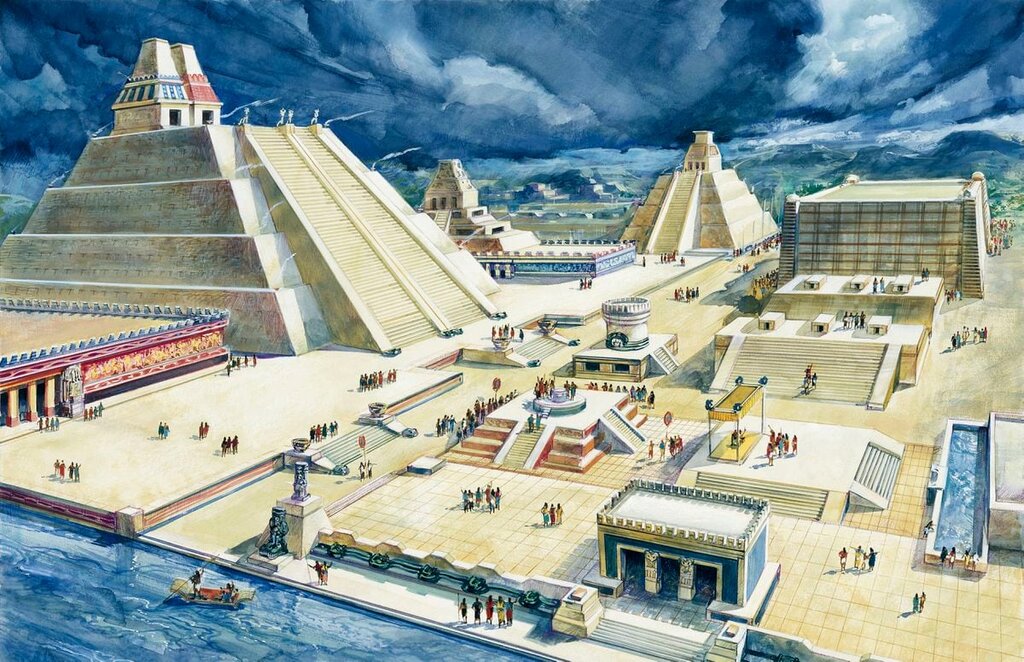
What began as a humble settlement of mud and reeds would grow into one of the largest and most magnificent cities in the world. Using innovative engineering techniques like chinampas (floating gardens), the Aztecs transformed the swampy island into a thriving metropolis, complete with grand temples, palaces, and a complex system of canals and causeways. Tenochtitlán was a testament to their ambition and ingenuity, a powerful capital for a new empire rising from ancient roots.
Now, let's review some key terms from this section.
Ready to test your knowledge?
What was the name of the mythical northern homeland from which the Mexica people began their migration?
Which earlier Mesoamerican civilization, known for its monumental stone heads, had a significant cultural influence long before the Aztecs arrived?
The founding of Tenochtitlán was just the beginning. From this island city, the Aztecs would go on to build a vast empire that dominated Mesoamerica.