The Autonomic Nervous System Explained
Introduction to the Autonomic Nervous System
The Body's Autopilot
Think about all the things your body is doing right now without your conscious effort. Your heart is beating, your lungs are breathing, and your stomach is digesting your last meal. You don't have to command any of it. This complex, silent operation is run by the autonomic nervous system, or ANS.
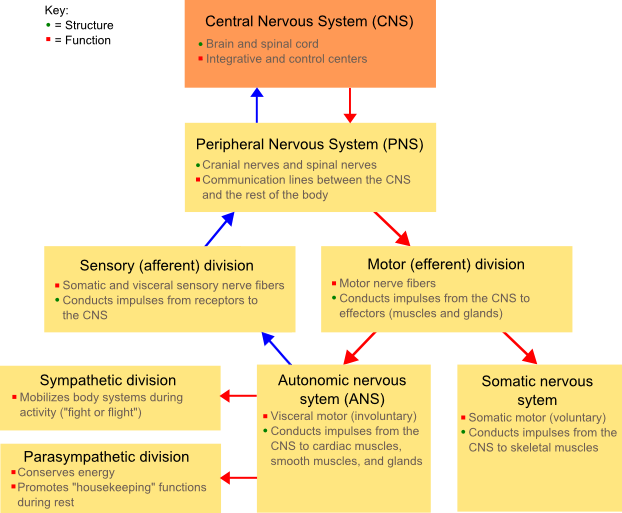
The ANS is a division of your peripheral nervous system. It's the ultimate multitasker, regulating all the involuntary physiological processes that keep you alive and functioning. These include:
- Heart rate
- Digestion
- Breathing rate
- Pupil dilation and constriction
- Blood pressure
- Sexual arousal
It works behind the scenes, making constant adjustments to match your body's needs from moment to moment, whether you're sleeping, running a marathon, or giving a presentation.
Keeping Everything Stable
The primary job of the ANS is to maintain homeostasis. This is the process of keeping your internal environment stable and balanced, regardless of what's happening outside. It’s like the thermostat in your house, which kicks on the heat or air conditioning to keep the temperature just right.
Homeostasis isn't a static state. It's a dynamic balancing act, and the autonomic nervous system is the masterful coordinator.
When you get hot, the ANS makes you sweat to cool down. When you stand up too quickly, it adjusts your blood pressure to prevent you from getting dizzy. This constant, automatic regulation allows you to focus your conscious mind on other things.
The Three Branches
The autonomic nervous system is made up of three distinct divisions, each with a specific role. While they often work in opposition to one another, their goal is the same: to maintain your body's internal balance.
Sympathetic Nervous System
noun
The division of the ANS that prepares the body for intense physical activity, often referred to as the 'fight-or-flight' response.
The sympathetic division mobilizes the body for action. It increases your heart rate, sends more blood to your muscles, and releases adrenaline. It's what gives you a jolt of energy when you're scared or excited.
Parasympathetic Nervous System
noun
The division of the ANS that calms the body and conserves energy, often referred to as the 'rest-and-digest' response.
The parasympathetic division has the opposite effect. It slows your heart rate, lowers your blood pressure, and stimulates digestion. It's the dominant system when you're relaxed and feeling safe.
The third division is the enteric nervous system. It’s a complex mesh-like network of neurons that governs the function of the gastrointestinal tract. It's so extensive and capable of operating independently that it's sometimes called the body's "second brain."
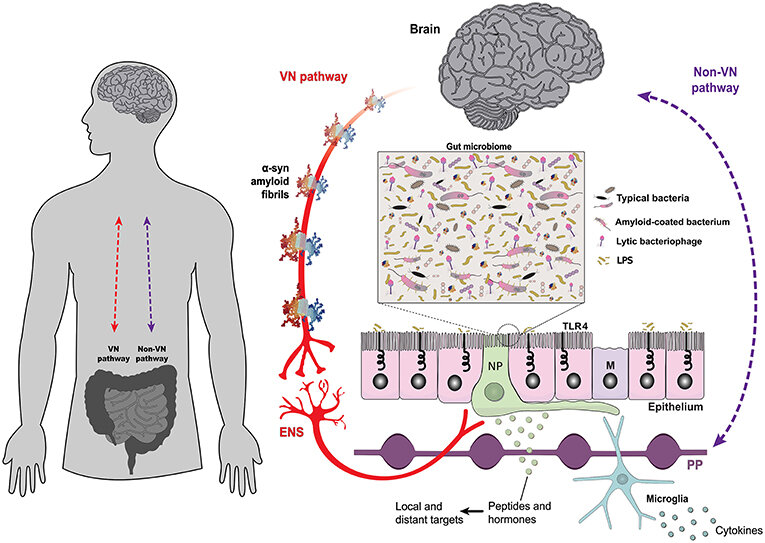
Together, these three branches of the ANS work in a coordinated symphony to manage your body's resources, respond to challenges, and keep everything running smoothly without you ever having to think about it.
What is the primary responsibility of the autonomic nervous system (ANS)?
If you were suddenly startled by a loud noise, which division of the ANS would be most active?