The Automotive Industry Explained
Automotive Industry Overview
From Horseless Carriage to Global Force
The automotive industry didn't just appear overnight. It began in the late 19th century with pioneers building the first gasoline-powered "horseless carriages." These early cars were novelties for the wealthy, built one at a time by skilled craftsmen. Everything changed when Henry Ford introduced the moving assembly line in 1913.
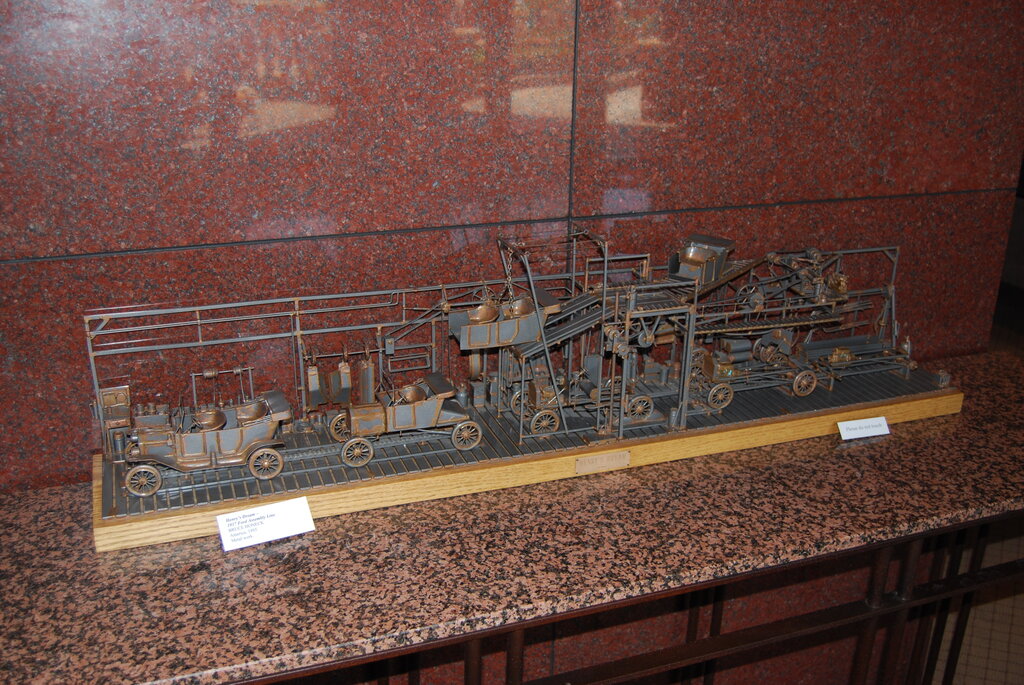
This innovation slashed the time it took to build a car from over 12 hours to just about 90 minutes. Suddenly, cars were affordable for the average family, transforming not just transportation but society itself. This shift from craft to mass production laid the groundwork for the massive, complex industry we know today.
The Industry's Core Functions
The automotive world can be broken down into three main areas: making the cars, selling them, and keeping them on the road.
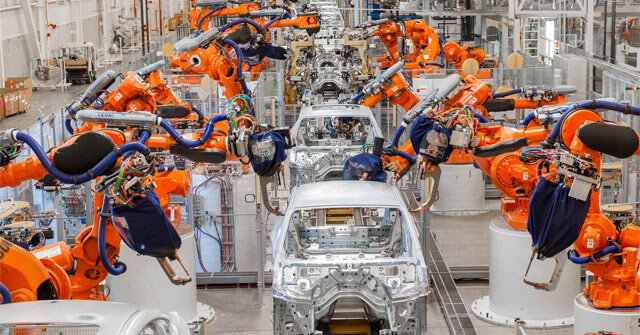
Manufacturing is the heart of the industry. It’s the entire process of designing, engineering, and finally assembling vehicles. Modern car manufacturing is a high-tech dance of robots and skilled workers, turning raw materials and thousands of pre-made parts into a finished product.
Sales and Marketing is how those finished cars find their way to driveways. This includes everything from splashy Super Bowl commercials to the local dealerships where customers test drive and purchase vehicles. It’s the bridge connecting the factory floor to the open road.
Services, often called the aftermarket, covers everything that happens after a car is sold. This is a huge part of the industry, encompassing maintenance like oil changes, collision repairs, and the sale of replacement parts and accessories. It's the ecosystem that keeps millions of vehicles running safely and efficiently.
Who's Who in the Auto World
Four key groups work together, sometimes in competition, to make the automotive industry function. Understanding their roles is crucial to seeing the big picture.
Manufacturers, also known as Original Equipment Manufacturers (OEMs), are the famous brand names that design, engineer, and assemble the final vehicles. Think Toyota, General Motors, or Volkswagen.
Suppliers are the unsung heroes. They produce the thousands of individual components that go into a car, from engines and transmissions to the tiniest microchips and screws. A single car is a global puzzle, with parts sourced from hundreds of suppliers.
Dealers are the public face of the industry. These businesses sell new and used vehicles to the public and typically offer financing, insurance, and service. They are the primary link between the manufacturer and the end customer.
Consumers are the final and most important piece. Their needs, wants, and purchasing power drive the entire industry. Everything from the design of a new SUV to the price of a sedan is ultimately influenced by consumer demand.
An Economic Powerhouse
The automotive industry is a cornerstone of the global economy. Its impact extends far beyond the companies that make cars. It creates millions of jobs, not only in manufacturing plants but also in its vast supply chains, dealerships, and repair shops.
The sector is also a major driver of innovation. Competition pushes manufacturers to constantly invest in research and development, leading to advances in engineering, safety, and materials science that often find applications in other industries.
Because of its size and reach, the health of the automotive industry is often seen as an indicator of broader economic health. When people are buying cars, it suggests they are confident about the economy, and the spending ripples through countless other businesses.
What was the most significant impact of Henry Ford's introduction of the moving assembly line in 1913?
The 'aftermarket' is another term for which major area of the automotive industry?
This overview covers the fundamental structure of the automotive world, from its historical roots to its key players and economic significance. These core concepts provide the foundation for understanding the complex challenges and exciting opportunities the industry faces.