The Art of Wooing and Morning Wishes
Understanding Attraction
The Architecture of Attraction
Attraction often feels like a mysterious force, something that just happens. But beneath the surface, it's a complex interplay of psychological, emotional, and biological signals. It's less about a magic formula and more about understanding human connection.
From an evolutionary perspective, our brains are wired to notice signs of health and vitality. This is why things like clear skin, bright eyes, and symmetrical features can create an initial spark. These are ancient cues that suggest a person is a healthy, viable partner. But this initial impression is just the doorway. True, lasting attraction is built on much more.
Beyond First Impressions
While physical appearance might open the door, personality is what invites someone to stay. Qualities like kindness, a sense of humor, and confidence are almost universally attractive. Kindness signals a willingness to be a supportive partner. Humor indicates intelligence and the ability to navigate life's challenges with a light heart. Confidence suggests self-respect and capability.
Then there's the power of shared interests. Having common hobbies, values, or goals creates an immediate sense of connection. It's not about being identical, but about having enough overlap to build a world together. Shared experiences become the foundation for inside jokes, deeper conversations, and a feeling of being on the same team.
Attraction isn't a checklist. It's about how a person's combination of traits makes you feel.
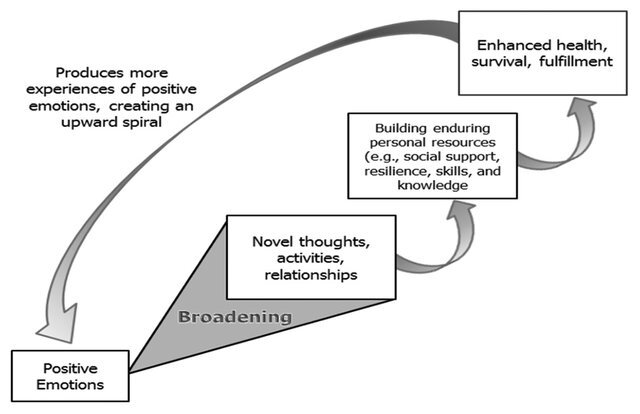
Emotions are the engine of attraction. Positive feelings build on each other, creating an upward spiral of connection. When you make someone feel good, they associate that positive feeling with you. This dynamic is at the heart of what psychologists call the Broaden-and-Build Theory. Positive emotions broaden our mindset and help us build lasting personal resources, including social bonds.
The Unspoken Language
Long before a word is spoken, we communicate interest through non-verbal cues. This silent conversation can be even more powerful than our words.
Body language sends strong signals. An open posture, with uncrossed arms and legs, communicates confidence and receptiveness. Leaning in during a conversation shows you're engaged and interested. In contrast, a closed-off posture, like crossing your arms or turning away, can signal disinterest or defensiveness.
A fascinating non-verbal cue is mirroring. When people feel a connection, they often unconsciously mimic each other's body language. If she leans forward, you might find yourself doing the same. This creates a sense of harmony and rapport.
| Cue | Signal of Interest | Signal of Disinterest |
|---|---|---|
| Posture | Open, relaxed, leaning in | Closed, tense, leaning away |
| Arms | Uncrossed, at your sides | Crossed over chest |
| Eye Contact | Held for a few seconds, looking away, then back | Averting gaze, looking around the room |
| Smile | Genuine, involving the eyes | Forced or absent |
| Mirroring | Subtly matching their posture or gestures | Mismatched, asynchronous movements |
Eye contact is particularly potent. It’s one of the most direct ways to show you're paying attention. Holding someone's gaze for a few seconds longer than usual can create a powerful sense of connection and intimacy. It communicates confidence and genuine interest. The key is to be natural, not to stare. A relaxed, confident gaze combined with a warm smile is an incredibly effective way to signal attraction.
According to evolutionary psychology, why are features like symmetrical faces and clear skin often perceived as attractive?
The Broaden-and-Build Theory suggests that positive emotions help build social bonds.
Ultimately, attraction is about connection. It's built by showing genuine interest, communicating confidence through your actions, and creating positive emotional experiences.