The Art of Wiriya Jitta Wimungsa Dance
Introduction to Thai Dance
The Language of Thai Dance
Thai dance is a vibrant tapestry woven from centuries of history and culture. Its roots run deep, drawing from indigenous traditions, the sophisticated arts of the royal court, and influences from neighboring cultures, particularly Cambodia and India. This blend has created a rich and complex art form that is both deeply spiritual and wonderfully entertaining.
Early forms of Thai dance were likely connected to animist beliefs and agricultural rituals. Over time, as kingdoms rose and fell, these dances absorbed new elements. The adoption of stories from Indian epics, like the Ramayana, introduced a strong narrative component. The Siamese courts, particularly during the Ayutthaya and Rattanakosin periods, refined these traditions, developing the highly stylized and elegant forms we recognize today as classical Thai dance.
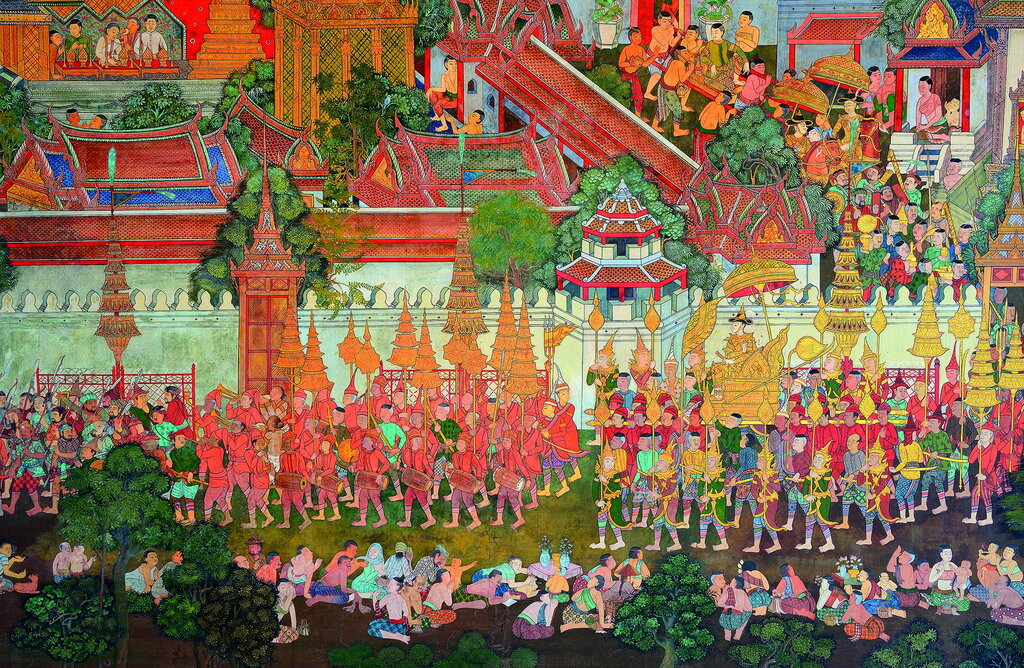
More Than Movement
In Thailand, dance is far more than simple performance. It is a vital part of social and religious life, a way of communicating stories, honoring deities, and preserving cultural identity. Dances are performed to mark important holidays, celebrate life events like weddings, and even to bring rain or ensure a good harvest.
One of the most important functions of Thai dance is storytelling. Many classical dances enact scenes from myths and legends. The most famous of these is the Ramakien, the Thai version of the Hindu epic Ramayana. Through intricate gestures, elegant costumes, and expressive masks, dancers bring gods, demons, and heroes to life.
Every flick of the wrist, every turn of the head has a specific meaning, conveying emotions and advancing the plot without a single word being spoken.
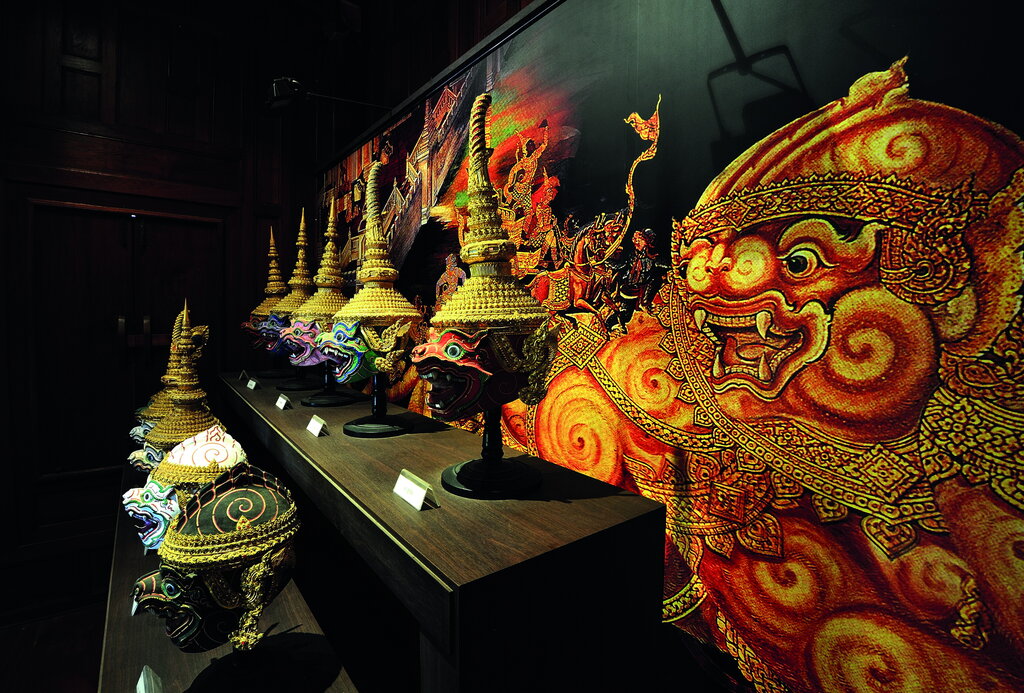
A Spectrum of Styles
Thai dance is not a single style but a broad category encompassing many different forms. These can be grouped into three main types: the high art of the royal court, regional folk dances, and social dances that anyone can participate in. Each has its own unique character, music, and costumes.
| Dance Form | Key Characteristic | Context |
|---|---|---|
| Khon | Masked dance-drama; highly stylized | Enacts the Ramakien; traditionally court-sponsored |
| Lakhon | Less formal than Khon; often features female performers | Tells a wider range of stories, including folktales |
| Fawn Thai | Graceful dances specific to a region | Performed at local festivals and celebrations |
| Ram Wong | Slow, circular social dance | Performed at parties and gatherings; participatory |
While classical forms like Khon demand years of rigorous training to master their precise, symbolic movements, folk dances like Ram Wong are simple and inclusive, inviting everyone to join in. This diversity ensures that dance remains a living, breathing part of Thai culture at every level of society.
Ready to test your knowledge? Let's see what you've learned about the fundamentals of Thai dance.
The Ramakien, a story frequently depicted in classical Thai dance, is the Thai version of which famous Hindu epic?
Which of the following best describes the primary role of dance in Thai culture?
From the grand stages of the royal court to the joyful circles of a village festival, dance is a thread that connects the past and present of Thailand, telling its stories with grace and beauty.