The Art of War by Sun Tzu
Introduction to Sun Tzu
The Man Behind the Legend
Around 500 BC, China was not a unified country. It was a turbulent landscape of rival states locked in a constant struggle for power. This era, known as the Spring and Autumn period, was a time of endless warfare. It was in this chaotic world that a figure named Sun Tzu emerged.
Details about his life are sparse, making him a figure of historical mystery. Tradition holds that he was a general serving the state of Wu. Some scholars even debate whether "Sun Tzu" was a single person or a composite of various military thinkers. What is certain is that the wisdom attributed to him was born from the harsh realities of this competitive age.
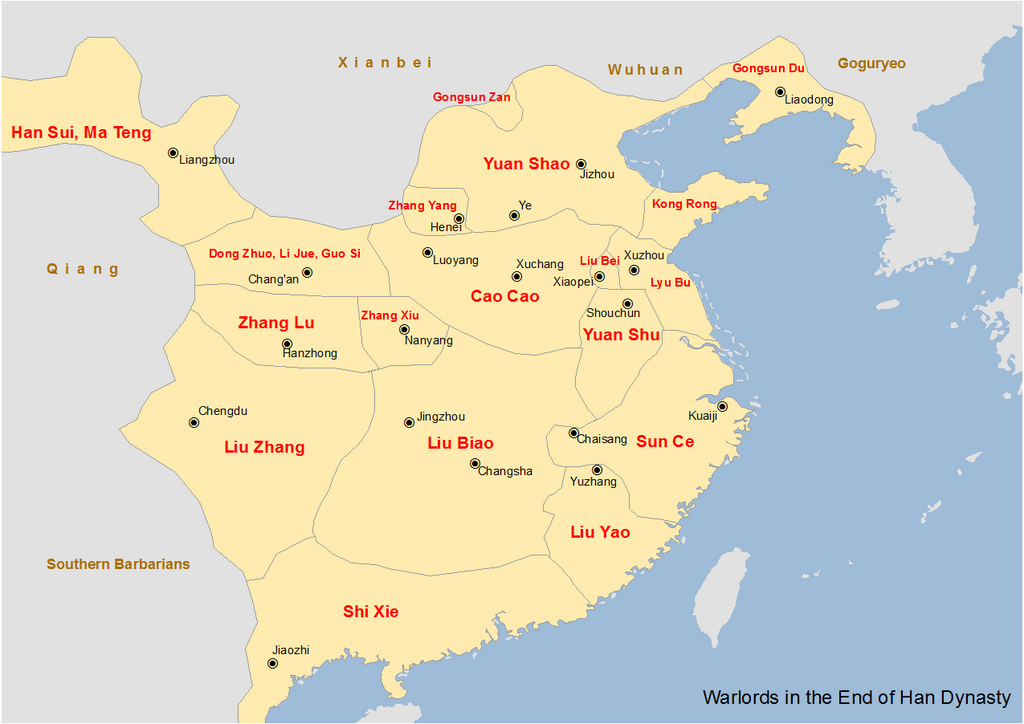
The constant conflict demanded a new way of thinking. Brute force was not enough to survive, let alone conquer. Victory required sharp strategy, clever planning, and a deep understanding of human nature. This need for a more refined approach to conflict gave rise to one of the most influential books ever written.
A Guide to Strategy
The Art of War is not just a manual on how to fight. It's a philosophical guide to strategy itself. The book is surprisingly short, composed of 13 chapters, each focusing on a different facet of conflict. These chapters cover everything from laying plans and assessing situations to using spies and maneuvering an army.
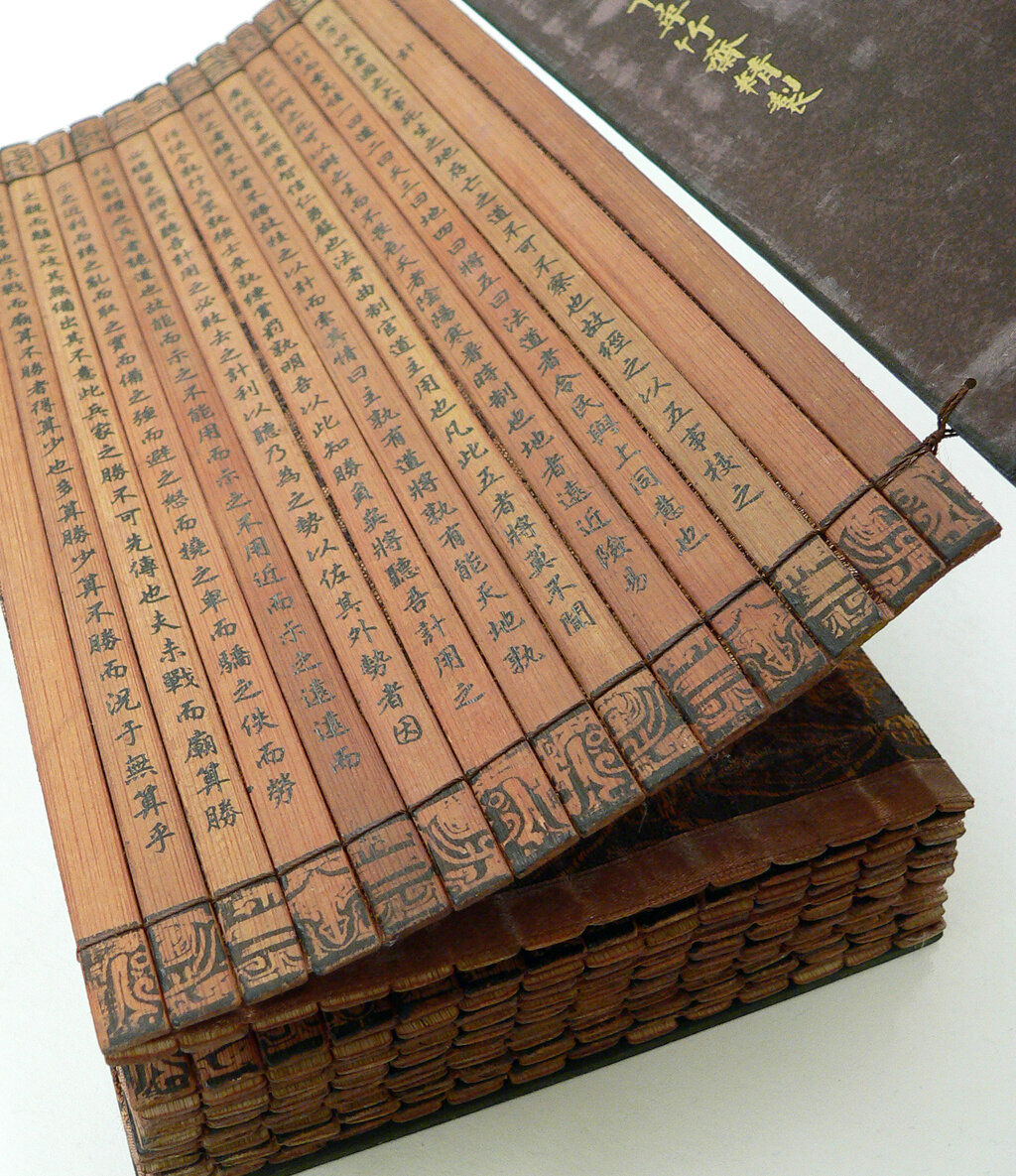
Several key themes run through the text. Sun Tzu emphasizes the importance of knowing yourself and your enemy. He champions adaptability and the use of deception to gain an advantage. He argues that preparation and positioning are more critical than the actual fighting.
Perhaps his most famous principle is that the ultimate victory is one won without a single battle. The goal is to subdue the opponent through strategy, not bloodshed.
An Enduring Legacy
The impact of The Art of War was immediate and lasting. For centuries, it was the foundational text for military strategists throughout East Asia. Warlords, emperors, and generals studied its principles to gain an edge on the battlefield. Its wisdom was considered essential for anyone in a position of command.
The book’s influence eventually spread beyond Asia. After being translated into French in the 18th century, its ideas began to permeate Western military thought. But its reach didn't stop there. Leaders in business, politics, and even sports found that its core lessons on competition, planning, and psychology were universally applicable.
Sun Tzu's teachings endure because they are not tied to a specific technology or time. They are rooted in the timeless dynamics of conflict and the unchanging aspects of human nature. This focus on strategy over tactics is what makes The Art of War as relevant today as it was 2,500 years ago.
Ready to test your knowledge?
During which historical period in China did Sun Tzu emerge?
What is the primary focus of The Art of War, according to the text?
By understanding the world Sun Tzu lived in, we can better appreciate the profound and practical wisdom he offered.