The Art of the Unfair Advantage
Mechanical Weight Manipulation
David vs Goliath's Turbo
By the mid-1980s, Formula 1 was the era of the turbo. Engines with forced induction produced ferocious power, leaving the older, naturally aspirated engines in their dust. Most teams had made the switch. But not Ken Tyrrell. His team, Tyrrell Racing, stuck with the reliable, lighter, and more fuel-efficient Ford-Cosworth DFV V8 engine.
On paper, they couldn't compete. The turbo cars had a raw power advantage that was often insurmountable. However, the Cosworth engine's lighter weight and better fuel economy gave Tyrrell a different kind of edge. F1 cars must meet a minimum weight limit, set at 540kg in 1984, to ensure fairness and safety. Because their car was naturally lighter, Tyrrell could use ballast strategically to meet the limit, improving balance and handling. But Ken Tyrrell had a more radical idea.
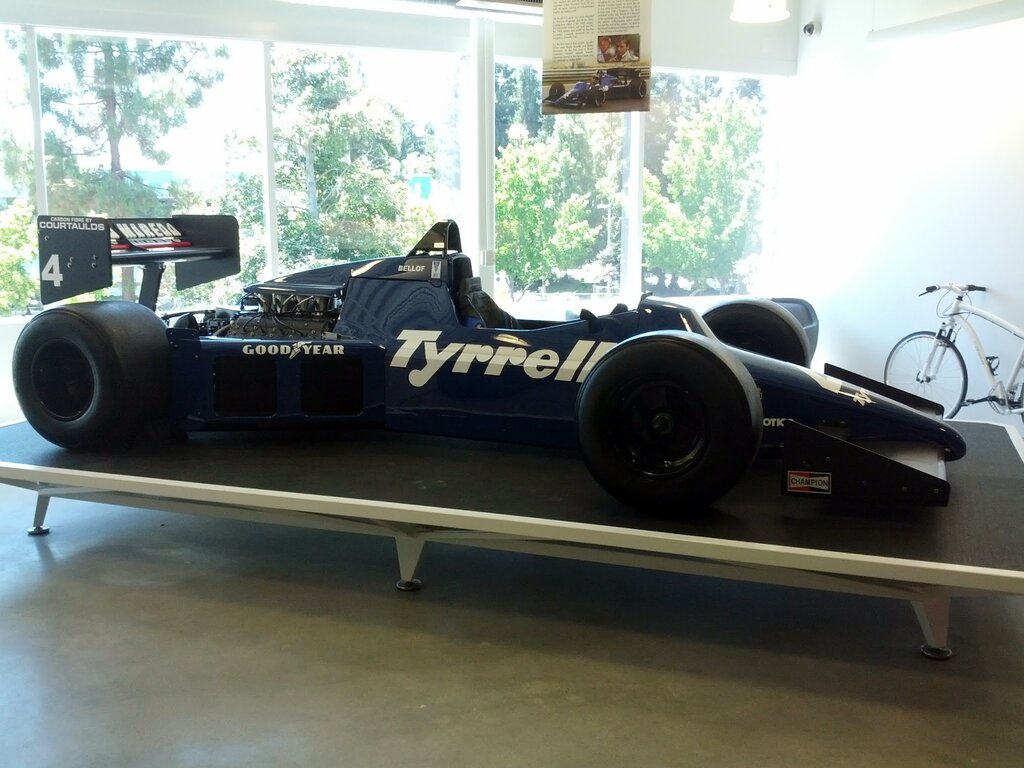
His plan was to exploit the regulations to an extreme. What if the car could run significantly under the weight limit for almost the entire race, gaining a huge performance advantage, and only meet the minimum weight at the very end?
Water, Lead, and a Loophole
The scheme was audacious. Tyrrell's cars were fitted with a 60-litre water tank. The team claimed this was for a water-injection system to cool the engine brakes. At the start of a race, the tank would be full, and the car would be legal. But during the race, this water would be sprayed out, lightening the car considerably.
The genius, and the fraud, came during the final pit stop. The team would refill the water tank. But this wasn't just water. They added 63kg (about 140 lbs) of lead shot into the tank along with the water. This sudden addition of ballast brought the car's weight back up, ensuring it was just over the 540kg limit when it crossed the finish line and went for post-race scrutineering.
For a time, it worked. Driver Martin Brundle secured a second-place finish at the Detroit Grand Prix, a remarkable result for a non-turbo car. But rivals were suspicious. How was the underpowered Tyrrell so competitive? The governing body, FISA (the forerunner to the FIA), launched an investigation.
The Unravelling
After the Detroit race, officials took a sample of the 'water' from Tyrrell's tank. They discovered two things. First, the tank contained lead balls, proving the use of illegal moving ballast. Second, the water itself was found to contain aromatics, which are hydrocarbons that act as a fuel additive, boosting engine performance. The team argued the lead shot was simply for ballast and that the aromatics were residue from a container that had previously held fuel, but the excuses fell on deaf ears.
FISA's reaction was swift and severe. They didn't just disqualify Tyrrell from the races where the infractions were found. They disqualified the team from the entire 1984 World Championship. All points, all results, were erased from the record books. It remains one of the heaviest penalties ever handed down in the sport.
The Tyrrell 'Watergate' scandal, as it became known, was a watershed moment. It drew a firm line between clever interpretation of the rules and outright, systematic fraud.
The scandal highlighted the intense pressure teams were under to find any competitive edge in the high-stakes turbo era.
While Ken Tyrrell maintained his team had only exploited a loophole, the governing body made it clear that the spirit of the regulations was just as important as the letter. The affair served as a stark warning to the entire paddock.
What type of engine did the Tyrrell team use in 1984, which was a key factor in their strategy?
What was the primary method Tyrrell used to make their car underweight during the race before bringing it back to the legal limit?