The Art of the Sommelier
Wine Fundamentals
A Brief History in a Bottle
Wine is ancient. Its story begins not in fancy restaurants, but in the Fertile Crescent, thousands of years ago. Archaeologists have found evidence of winemaking in modern-day Georgia dating back to 6000 BCE. From there, the knowledge of fermenting grapes spread through Mesopotamia, Egypt, and across the Mediterranean, carried by traders and conquerors.
The Greeks and Romans were instrumental. They didn't just drink wine; they refined its cultivation and production, establishing vineyards in the areas that are now the legendary wine regions of France, Italy, and Spain. Wine was more than a beverage. It was a cornerstone of society, medicine, and religion.
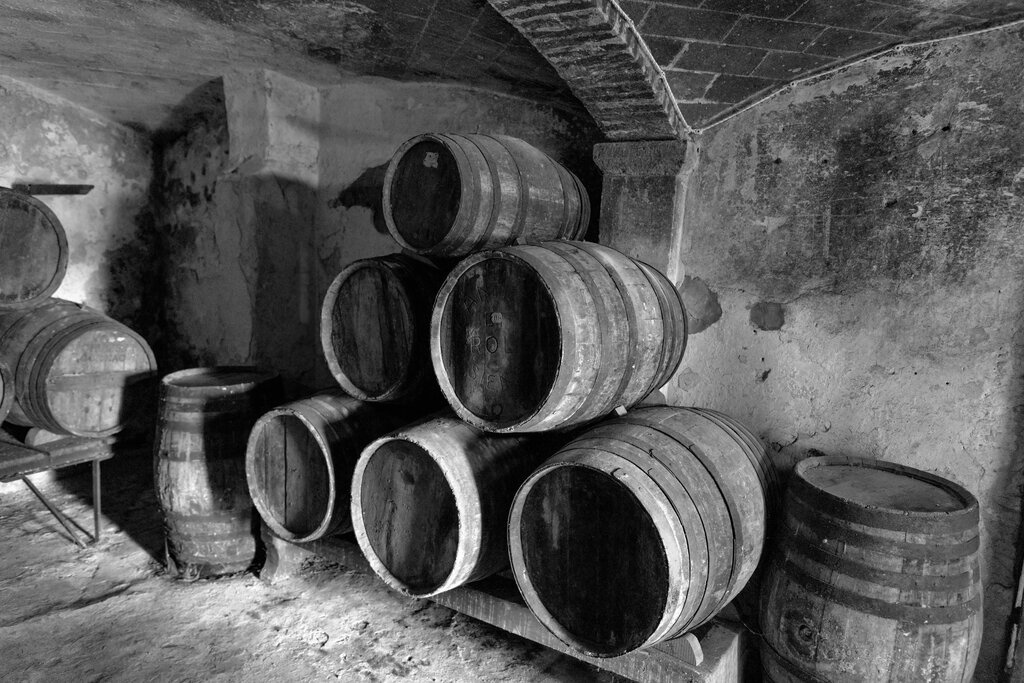
After the fall of Rome, winemaking was largely preserved and perfected in the quiet cloisters of monasteries. Monks across Europe meticulously tended their vineyards, documenting which grapes grew best in which plots of land. They laid the groundwork for the concept of terroir, the idea that a wine reflects its specific place of origin.
It Starts in the Vineyard
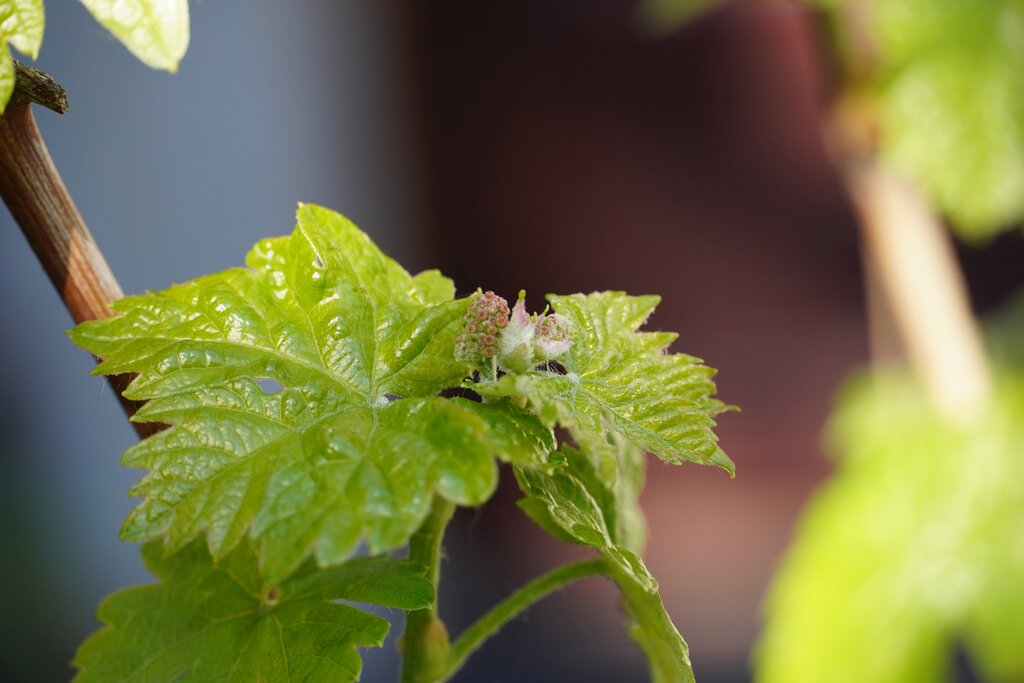
Great wine is grown, not made. This is the core idea of viticulture, the science and practice of cultivating grapes. Before a single drop of wine is produced, a year of careful work happens in the vineyard. The final product is a direct reflection of the environment where the grapes grew.
terroir
noun
The complete natural environment in which a particular wine is produced, including factors such as the soil, topography, and climate.
Four key elements shape a grape's character:
- Climate: Grapes need a balance of sunlight, heat, and water. Cooler climates often produce wines with higher acidity and more subtle flavors, while warmer climates yield wines with higher sugar, more alcohol, and riper fruit notes.
- Soil: The type of soil, from limestone and clay to gravel and slate, affects a vine's access to water and nutrients. This influences the final flavor profile in complex ways.
- Topography: The slope and aspect (the direction it faces) of a vineyard can dramatically change the amount of sunlight the vines receive.
- Grape Variety: Not all grapes are the same. Most of the world's wine is made from a single species, Vitis vinifera, but within that species are thousands of varieties like Cabernet Sauvignon, Chardonnay, and Pinot Noir, each with its own unique traits.
From Grape to Glass
Vinification is the process of turning grapes into wine. While the specifics can vary wildly, the basic journey follows a clear path. The most fundamental decision is whether to make red or white wine, which dictates when the grape skins are removed.
The key steps include:
- Harvesting: Grapes are picked, either by hand or machine, when they reach the perfect balance of sugar and acidity.
- Crushing & Destemming: The grapes are crushed to release their juice. Stems are usually removed, as they can add bitter flavors.
- Fermentation: This is the magic. Yeast, either naturally present on the grapes or added by the winemaker, consumes the sugar in the juice and converts it into alcohol and carbon dioxide. For red wines, this happens with the grape skins, which impart color, flavor, and tannins. For most white wines, the juice is pressed off the skins before fermentation begins.
- Pressing: After fermentation, red wines are pressed to separate the wine from the skins.
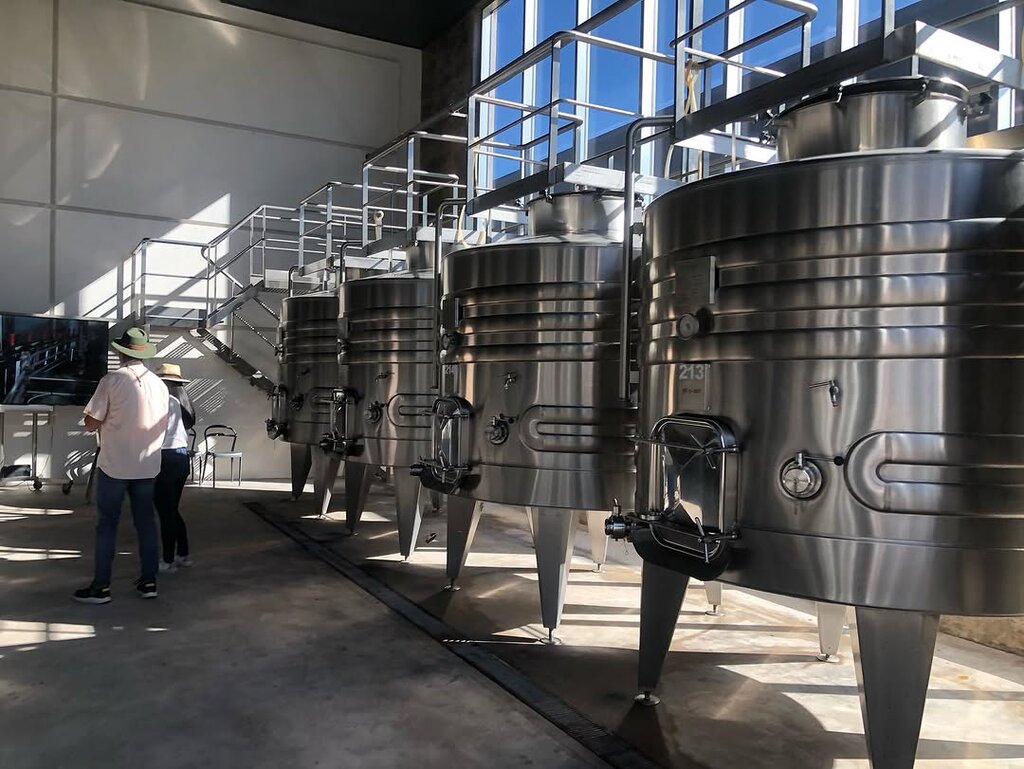
- Aging: The wine is then aged for a period of months or even years. This can happen in inert containers like stainless steel tanks, which preserve fresh fruit flavors, or in oak barrels, which add complexity, flavor, and texture.
- Bottling: Finally, the wine is clarified, stabilized, and bottled.
A Tour of the World
The wine world is often divided into two broad categories: the Old World and the New World. This isn't just about geography; it's about philosophy, tradition, and style.
The Old World refers to the traditional winegrowing regions of Europe, while the New World includes wine-producing countries like the United States, Australia, Chile, and South Africa.
| Feature | Old World (e.g., France, Italy, Spain) | New World (e.g., USA, Australia, Chile) |
|---|---|---|
| Style | Earthy, mineral, higher acidity, restrained fruit | Fruity, bold, often higher in alcohol |
| Focus | Terroir: reflecting the place it comes from | Varietal: highlighting the grape itself |
| Regulation | Highly regulated by tradition and law | More freedom for experimentation |
| Labeling | Labeled by region (e.g., Bordeaux, Chianti) | Labeled by grape (e.g., Cabernet Sauvignon) |
Neither style is inherently better. A French Sancerre and a New Zealand Sauvignon Blanc are both made from the same grape, but they offer vastly different and equally valid expressions. Understanding these fundamental differences is the first step to navigating the vast world of wine.
Now that you have a grasp of these core concepts, you're ready to explore wine in more detail.
Archaeological evidence suggests the earliest known winemaking took place in which modern-day country?
The French concept of terroir, the idea that a wine reflects its specific place of origin, was largely developed and preserved by which group after the fall of Rome?