The Art of the Sommelier
Introduction to Wine
From Vine to Glass
Wine is more than just a drink. It's fermented grape juice, a beverage that has been intertwined with human history for thousands of years. The story of wine begins around 8,000 years ago in the Caucasus region, near modern-day Georgia, where ancient peoples discovered that crushed grapes would ferment into an alcoholic drink if left in buried jars.
From these humble beginnings, winemaking spread across the ancient world. The Egyptians, Greeks, and Romans all embraced it, not just for its intoxicating effects but also for its cultural and religious significance. They developed new techniques for growing grapes and making wine, turning it from a happy accident into a deliberate craft. This long history is why wine feels so deeply rooted in tradition.
The Grapes
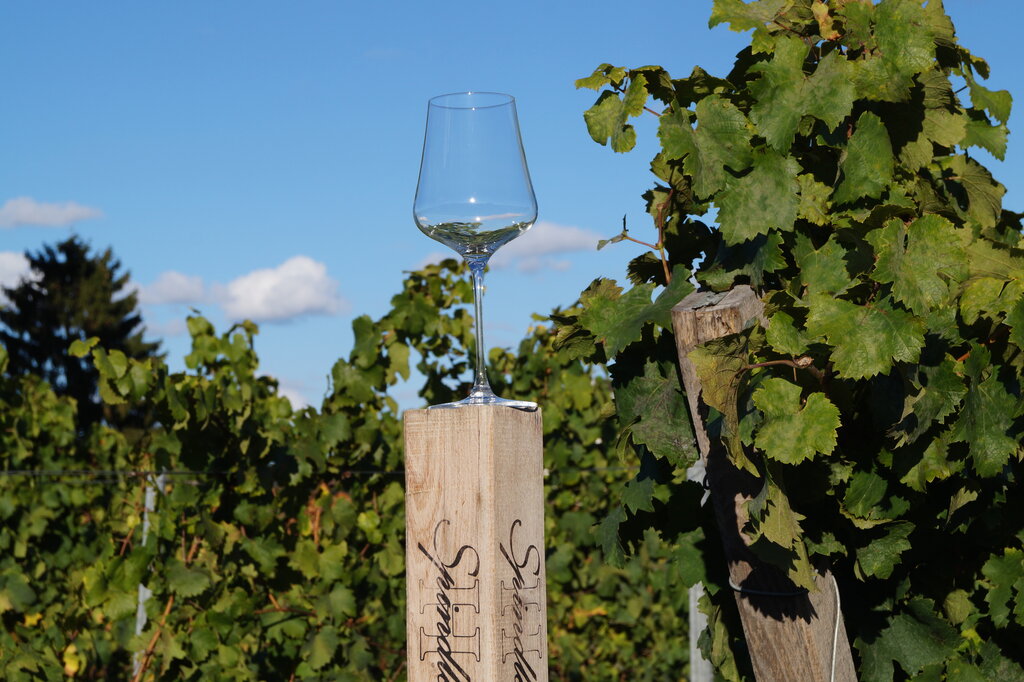
At the heart of every wine is the grape. While there are thousands of grape varieties, most of the world's wine comes from a single species: Vitis vinifera. This species is native to the region spanning from Western Europe to the Caspian Sea. Within this species, different grape varieties, or cultivars, give wines their unique aromas, flavors, and textures.
Viticulture
noun
The science, production, and study of grapes. It encompasses all the agricultural practices and decisions that happen in the vineyard.
You've likely heard of the most famous ones. These are often called “international varieties” because they are grown successfully all over the world. Understanding these key grapes is the first step to navigating a wine list.
| Grape Variety | Color | Common Flavors & Aromas |
|---|---|---|
| Cabernet Sauvignon | Red | Blackcurrant, cherry, cedar, spice |
| Merlot | Red | Plum, black cherry, herbs, chocolate |
| Pinot Noir | Red | Raspberry, cherry, mushroom, vanilla |
| Syrah/Shiraz | Red | Blackberry, blueberry, pepper, smoke |
| Chardonnay | White | Apple, pear, citrus, butter, oak |
| Sauvignon Blanc | White | Grapefruit, lime, passion fruit, grass |
| Riesling | White | Peach, apricot, lime, petrol (when aged) |
Where a grape is grown has a massive impact on its final taste. This concept, known as terroir, includes the region's climate, soil, and terrain. A Chardonnay from the cool climate of Burgundy, France, will taste vastly different from one grown in the sunny hills of Napa Valley, California.
The Winemaking Process
Once the grapes are harvested, the winemaker's job begins. The goal is to convert the natural sugars in the grape juice into alcohol, a process driven by yeast. While the details can get complex, the basic steps are straightforward.
The fundamental process involves harvesting, crushing, fermenting, clarifying, and then aging and bottling the wine.
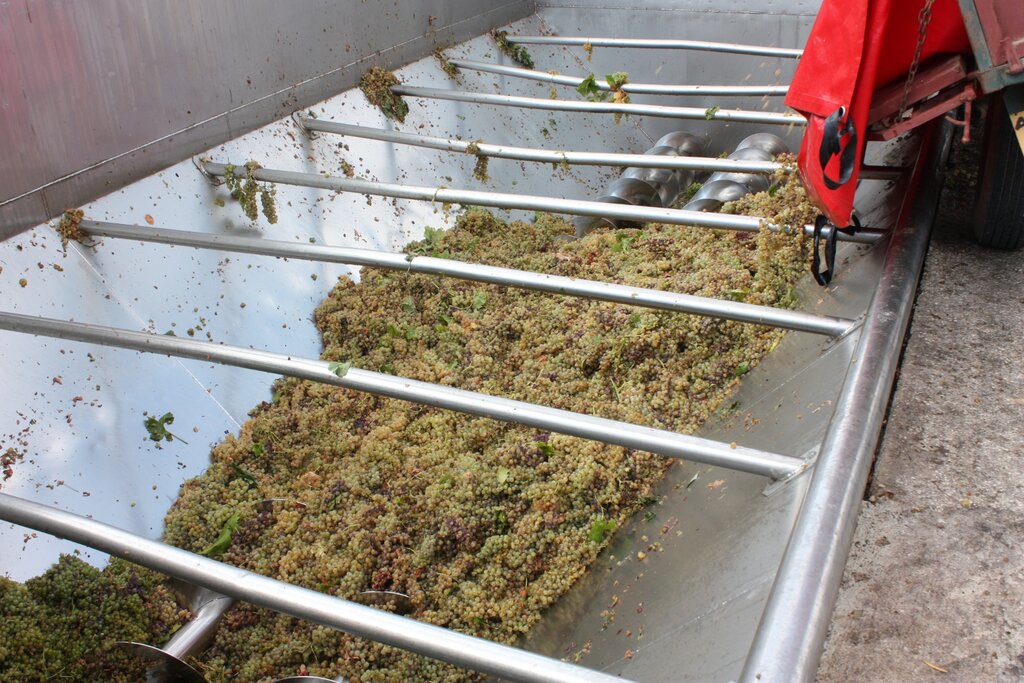
For red wines, the grape skins are left in contact with the juice during fermentation. This is what gives red wine its color, tannins (the compounds that create a drying sensation in your mouth), and many of its complex flavors. For white wines, the skins are typically removed before fermentation begins, resulting in a lighter color and different flavor profile. Rosé wines are made by allowing just a short period of skin contact, from a few hours to a day.
After fermentation, the wine is aged. This can happen in stainless steel tanks, which preserve fresh, fruity flavors, or in oak barrels, which add notes of vanilla, spice, and toast. The length of aging varies from a few months to several years. Finally, the wine is clarified to remove any solids, bottled, and sent off to be enjoyed.
Ready to test what you've learned about the fundamentals of wine?
According to archaeological evidence, where did the practice of winemaking first begin?
The concept that a wine's character is derived from the climate, soil, and terrain where the grapes are grown is known as __________.
Understanding these basics of grapes, regions, and production is the foundation for appreciating the vast world of wine.