The Art of the 'Hi'
Introduction to Human Greetings
The First Step
A greeting is the first signal we send to another person. It's a simple way of saying, "I see you." Whether it's a word, a sound, or a gesture, a greeting opens the door to communication. It's the starting block for every conversation, from a quick chat with a neighbor to an important meeting.
The main purpose of a greeting is to acknowledge someone else's presence and show that you're open to interacting with them.
Think of it as a social green light. Without that initial hello or wave, jumping straight into a conversation can feel abrupt or even rude. Greetings smooth our entry into social situations, making them more comfortable and predictable. They are a fundamental building block of how we connect with each other.
greeting
noun
An action or word used to welcome someone or acknowledge their presence.
Verbal Greetings
The most common way to greet someone is with words. Phrases like "Hello," "Hi," and "Hey" are staples in English. While they all serve the same basic function, they carry slightly different feelings. "Hello" is a neutral, all-purpose greeting, while "Hi" is a bit more casual. "Hey" is typically reserved for people you already know well.
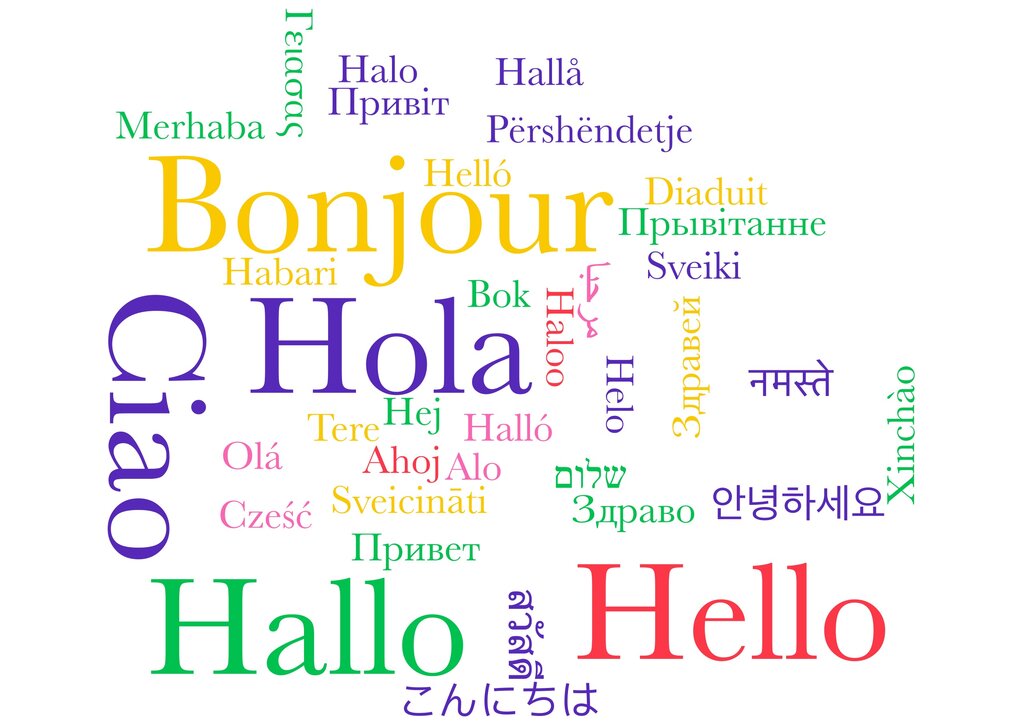
Other verbal greetings are tied to the time of day. "Good morning," "Good afternoon," and "Good evening" are slightly more formal ways to acknowledge someone. These phrases not only greet the person but also make a small comment on the shared context of the time.
Greeting someone is the first step in any conversation.
More Than Words
We don't just use words to greet each other. Non-verbal greetings are just as important and can sometimes say even more than spoken phrases. These are the physical gestures we use to communicate the same message of acknowledgment and welcome.
A simple wave of the hand from across the street is a clear greeting. It’s a friendly, long-distance "hello." A nod is a more subtle but equally effective gesture, often used when passing someone you know casually. It’s a quick, low-effort way to show recognition without stopping to talk.

A smile is another powerful non-verbal greeting. It signals warmth, friendliness, and approachability. Often, a smile will accompany a verbal greeting or a wave, reinforcing the positive intention behind the gesture. These non-verbal cues are a key part of the social toolkit we use to navigate our daily interactions.
What is the primary function of a greeting in social interactions?
Which verbal greeting is described as being a neutral, all-purpose option?
Greetings are a small but essential part of human connection, setting the stage for everything that follows.