The Art of Teaching
Introduction to Teaching
The Teacher's Many Roles
At its heart, teaching is about guiding learning. A teacher isn't just a speaker at the front of a room, dispensing facts for students to memorize. They are facilitators, mentors, and guides who create an environment where students can explore, question, and build their own understanding.
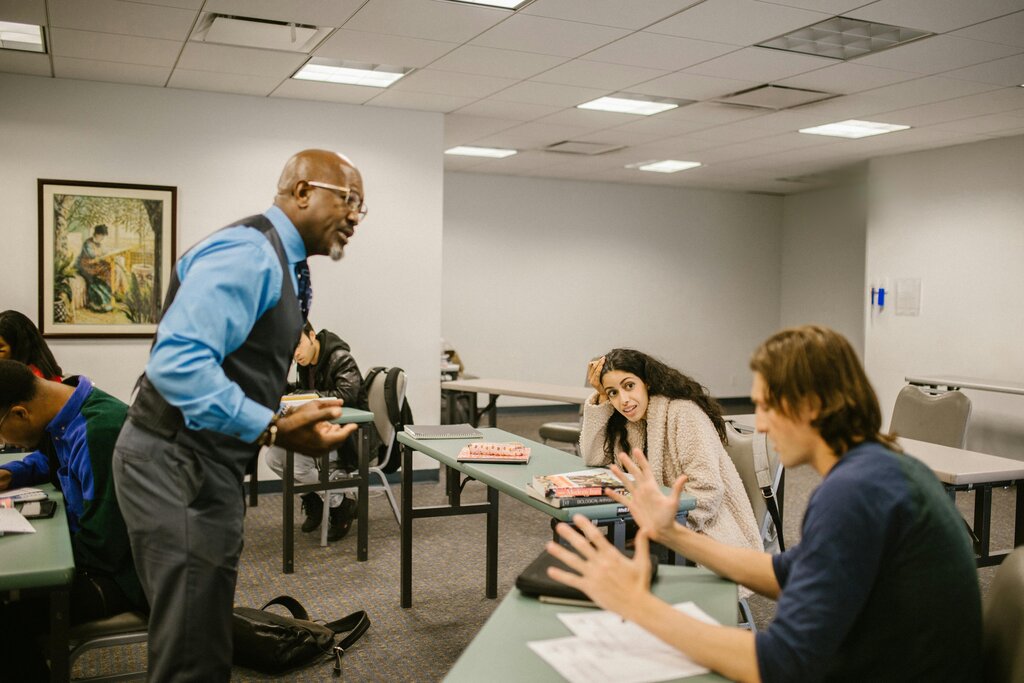
The core responsibilities of a teacher extend far beyond the curriculum. They are tasked with sparking curiosity and fostering a love for learning. This means recognizing and nurturing the potential in each student, providing support when they struggle, and challenging them to grow. It's a dynamic role that shifts from moment to moment, from instructor to listener, from motivator to mediator.
Great teaching is less about filling a bucket and more about lighting a fire.
The Learner at the Center
No two students are the same. They arrive in the classroom with unique backgrounds, strengths, interests, and ways of seeing the world. Acknowledging this diversity is the first step toward effective teaching. Understanding student needs is not just a preliminary task; it's an ongoing process of observation, listening, and adaptation.
Before you begin teaching, take time to understand who your students are and what their needs are.
When teachers tailor their approach to meet students where they are, the impact is profound. Students feel seen, valued, and supported, which builds the trust necessary for true learning to occur. This student-centered approach is the difference between an education that is simply delivered and one that is truly received. It creates a partnership where both teacher and student are active participants in the learning journey.
A Brief History of Teaching
Teaching is as old as humanity, but its methods have changed dramatically over time. For centuries, the dominant model was the "sage on the stage," where an expert teacher lectured to passive students who were expected to absorb information through rote memorization.
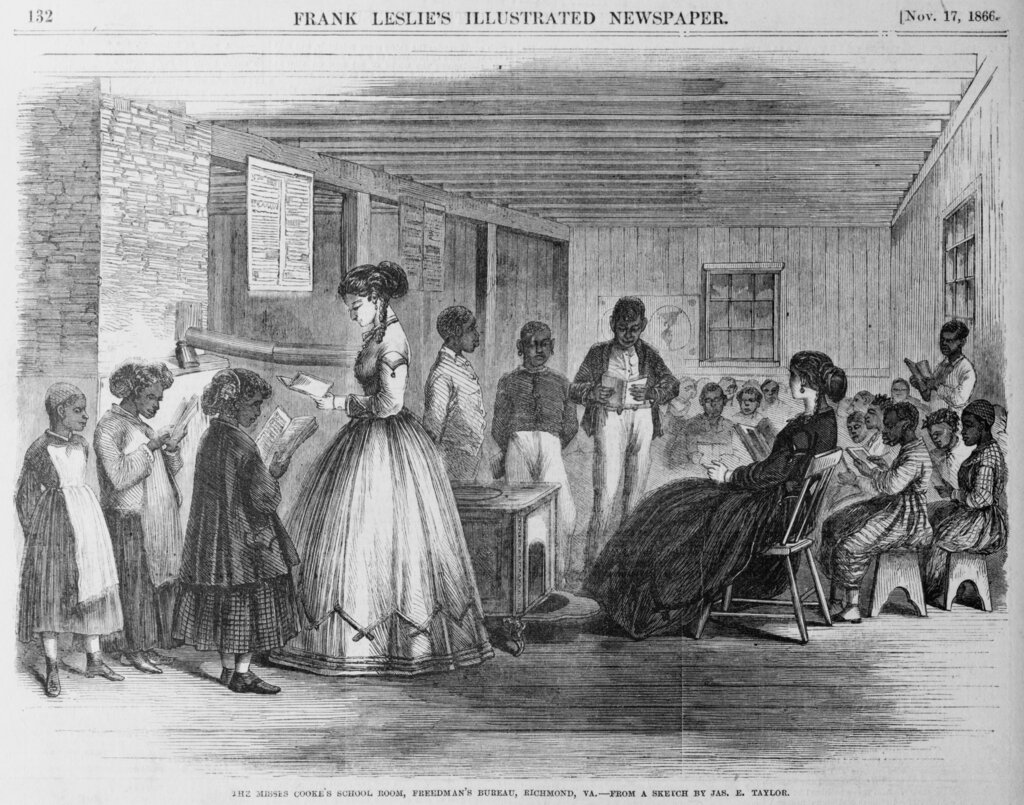
Over the last century, educational philosophy has shifted. Thinkers like John Dewey championed the idea that students learn best by doing. This sparked a move toward more interactive, hands-on, and student-centered methods. The focus began to move from simply knowing facts to developing skills like critical thinking, problem-solving, and collaboration.
This evolution continues today, with modern pedagogy emphasizing the teacher's role as a "guide on the side" who supports students as they construct knowledge for themselves.
Teaching in a Changing World
Today's educators must navigate learning environments that are more diverse than ever. A classroom is a microcosm of society, bringing together students from various cultural, linguistic, and socioeconomic backgrounds. Creating an inclusive space where every student feels a sense of belonging is a fundamental responsibility of the modern teacher.
Digital innovation in education has revolutionized teaching and learning processes, demanding a rethink of pedagogical competence among educators.
The environment itself has also expanded. Learning is no longer confined to the four walls of a physical school. Teachers now work in online, hybrid, and blended settings, requiring a new set of skills to engage students through technology. The ability to adapt—to new tools, new student needs, and new educational research—is perhaps the most crucial skill for any teacher today.
This constant evolution makes teaching a challenging but incredibly rewarding profession. It’s about preparing students not just for a test, but for a future that is constantly being rewritten.