The Art of Teaching
Introduction to Teaching
The Educator's Role
Teaching is much more than just standing in front of a room and talking. At its heart, the role of an educator is to be a facilitator of learning. Think of a great coach or a guide. They don't just tell you the answers; they create a path for you to discover them on your own.
Your main responsibility is to build an environment where students feel curious and empowered to learn. This involves asking thoughtful questions, encouraging exploration, and providing support when students get stuck. It's about shifting the focus from 'teaching' as a performance to 'learning' as a collaborative process.
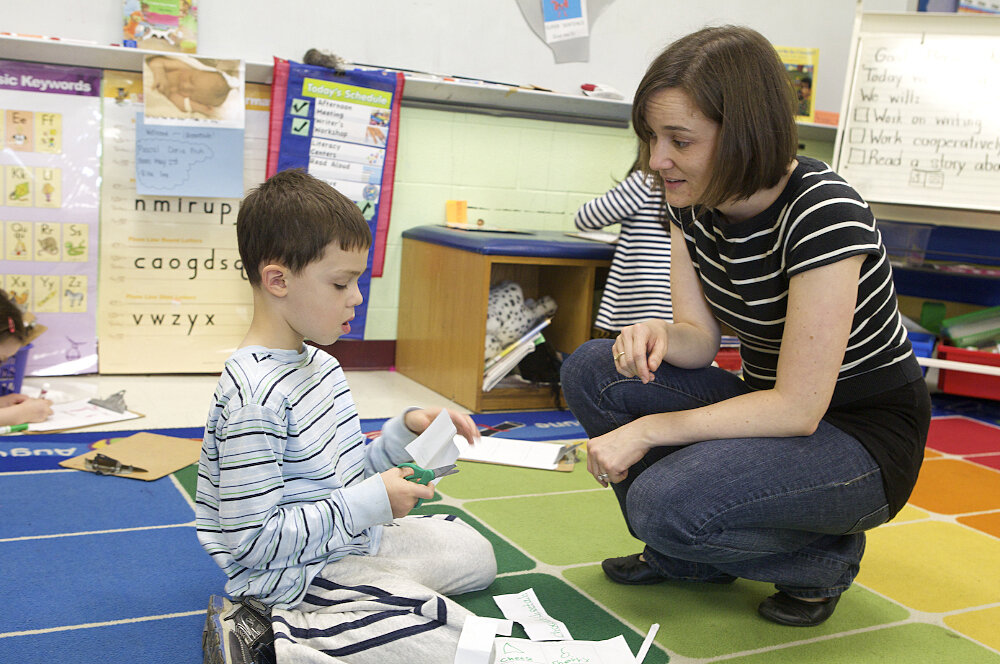
Being a facilitator means you guide students as they connect new ideas to what they already know. You help them build their own understanding, which is far more powerful and lasting than simply memorizing facts for a test. Your job is to spark curiosity and then help students navigate their own journey of discovery.
Understanding Your Students
Every classroom is a unique mix of personalities, backgrounds, and learning styles. No two students are exactly alike. Before you can teach effectively, you have to understand who you're teaching. This means being a keen observer and a good listener.
Student diversity goes beyond cultural or ethnic backgrounds. It includes different learning paces, levels of prior knowledge, personal interests, and life experiences. A strategy that works wonders for one student might not connect with another. Acknowledging this diversity is the first step toward reaching every learner in your classroom.
Effective teaching begins when you see the classroom through your students' eyes. What do they already know? What challenges do they face? What gets them excited?
By taking the time to understand your students, you can tailor your approach to meet them where they are. This doesn't mean creating 30 different lesson plans, but rather being flexible and responsive to the needs of the group. It means building relationships so students feel seen and understood, which creates a foundation of trust essential for learning.
Setting Clear Goals
Imagine trying to build something without instructions, or taking a trip without a map. It would be confusing and inefficient. That's what a lesson without clear goals, or learning objectives, feels like for a student.
Learning objectives are clear, specific statements about what students should be able to do by the end of a lesson. They define the destination for both you and your students.
A vague goal like, "Students will learn about the American Revolution," isn't very helpful. A clear learning objective is actionable and measurable. For example:
*"By the end of this lesson, students will be able to identify three key causes of the American Revolution and explain how each contributed to the conflict."
This level of clarity helps you focus your instruction on what truly matters. It also empowers students by showing them exactly what is expected of them, making the learning process more transparent and achievable.
Building an Inclusive Environment
An inclusive classroom is a space where every single student feels safe, respected, and valued for who they are. This is not just a nice idea; it's a prerequisite for effective learning. When students feel anxious, unwelcome, or invisible, their ability to learn shuts down.
Creating this environment starts with setting clear expectations for respectful behavior. It also involves making sure the materials, examples, and stories you share reflect the diversity of your students and the wider world. This helps students see themselves in the curriculum, which makes learning more relevant and engaging.
Teachers address the goals needs interests of the learner by creating experiences from where the students can learn.
Inclusivity also means being mindful of different learning needs. Some students might thrive in group discussions, while others do their best work independently. Providing a variety of ways for students to engage with the material and show what they know ensures that everyone has a chance to succeed.
Exploring Teaching Styles
There's no single "best" way to teach. Different situations and students call for different approaches. While there are many teaching philosophies, most styles fall on a spectrum from teacher-centered to student-centered.
| Style | Description | Best For... |
|---|---|---|
| Direct Instruction | The teacher is the expert, delivering information through lectures and demonstrations. | Introducing foundational facts or demonstrating a specific skill. |
| Inquiry-Based Learning | The teacher poses questions or problems, and students explore to find answers. | Developing critical thinking and problem-solving skills. |
| Collaborative Learning | Students work together in small groups to complete a task or project. | Fostering teamwork, communication, and diverse perspectives. |
The most effective educators don't stick to just one style. They develop a flexible toolkit of strategies and choose the right one for the learning objective at hand. For instance, you might use direct instruction to explain a new math formula, then switch to collaborative learning to have students practice solving problems together.
The key is to be intentional. Think about what you want your students to achieve and then select the teaching style that will best help them get there.
Now, let's review these core concepts.
What is the primary role of an educator when viewed as a 'facilitator of learning'?
Which of the following is the best example of a clear learning objective?