The Art of Storytelling
Introduction to Storytelling
The Power of a Good Story
Humans have been telling stories for as long as we've been able to communicate. A story isn't just a list of facts or events; it's a journey. It takes information and wraps it in emotion, context, and meaning, making it easier for our brains to process and remember. Think of a dry, academic lecture versus a documentary that follows a person's life. Which one are you more likely to remember a week later?
Stories are the original data-sharing tool. Long before writing, people used oral traditions to pass down history, culture, and survival skills from one generation to the next. They shared tales around campfires, teaching children about their ancestors, the stars, and the dangers of the world. These narratives created a shared identity and a common understanding.
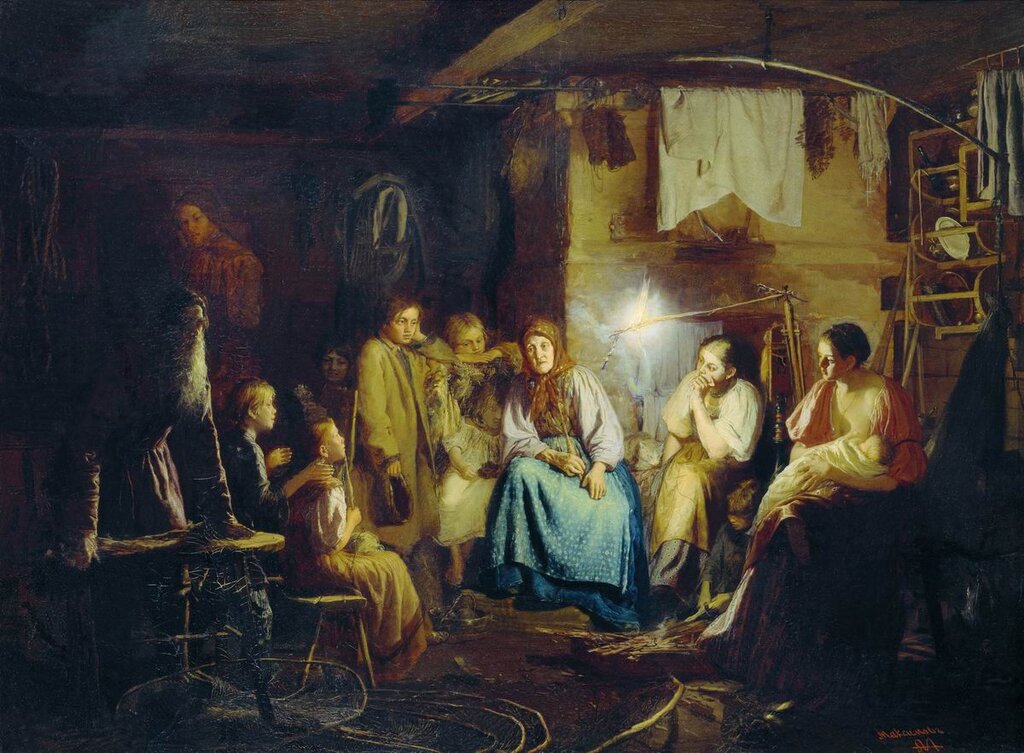
Today, that ancient practice is just as relevant. From a compelling advertisement to a scientist explaining a complex theory, storytelling makes ideas stick. It helps us connect with others, persuade, and make sense of our experiences.
Storytelling builds clarity, vocabulary, and structure.
The Building Blocks
Every story, from a simple joke to a blockbuster movie, is built from the same basic components. Understanding these elements is the first step to crafting your own effective narratives.
Let's break these down.
-
Character: This is the who. It's the person, animal, or entity the story is about. A good character has goals, motivations, and flaws that make them relatable. The audience follows the story through the character's eyes.
-
Setting: This is the where and when. It's the time and place the story occurs. The setting isn't just a backdrop; it influences the mood, shapes the characters' actions, and can even be a source of conflict.
For example, a story about survival is very different in a dense jungle versus a futuristic city.
-
Plot: This is the what. It's the sequence of events that make up the story, from beginning to end. The plot is what keeps the audience engaged, wondering what will happen next.
-
Conflict: This is the engine of the plot. It's the challenge, obstacle, or struggle that the main character must overcome. Without conflict, there's no tension and no story. Conflict can be external (like a villain) or internal (like a difficult decision).
-
Resolution: This is the how it ends. It's the outcome of the conflict, where the story's questions are answered and the journey concludes. The resolution provides a sense of closure.
Stories Everywhere
We encounter different types of stories every day, each serving a unique purpose. Recognizing them helps us understand their intent and learn how to use them ourselves.
| Type | Purpose | Example |
|---|---|---|
| Personal | To connect with others, share experiences, and reflect. | Telling a friend about your vacation. |
| Professional | To persuade, inform, or inspire action in a work context. | A sales pitch that shows how a product helped a customer. |
| Fictional | To entertain, explore ideas, and imagine other worlds. | A novel, a movie, or a comic book. |
| Non-fictional | To document reality, educate, and present facts. | A historical biography or a news report. |
Of course, these categories often overlap. A CEO might tell a personal story at a company meeting to make a professional point. A non-fictional documentary might use storytelling techniques from fiction to make the events more dramatic and engaging.
The key is to realize that a story is simply a structure for conveying information. Once you understand the basic elements, you can see them and use them everywhere.
Ready to check your understanding of these core concepts? Let's see what you've learned.
Which story element is described as the 'engine of the plot' and the primary source of tension?
A scientist explaining a complex theory by telling the story of the discovery journey is primarily using a story to do what?
With these foundations in place, you're ready to explore how to build compelling narratives of your own.