The Art of Storytelling
Introduction to Storytelling
What Is a Story?
Stories are how we make sense of the world. They aren't just for entertainment; they're a fundamental part of how we communicate, learn, and connect. A story takes facts, events, and emotions and weaves them into a structure that's easy to remember and understand. It's the difference between a list of dates and a gripping historical account, or a data sheet and a compelling case study.
Stories are central to human culture, serving to share ideas, preserve traditions, and foster connections.
At its core, storytelling translates experience into language. It gives shape to our thoughts and helps us share our perspective with others. Whether it's a simple anecdote about your day or an epic novel, the goal is the same: to create a shared understanding and emotional connection.
A Brief History of Telling Tales
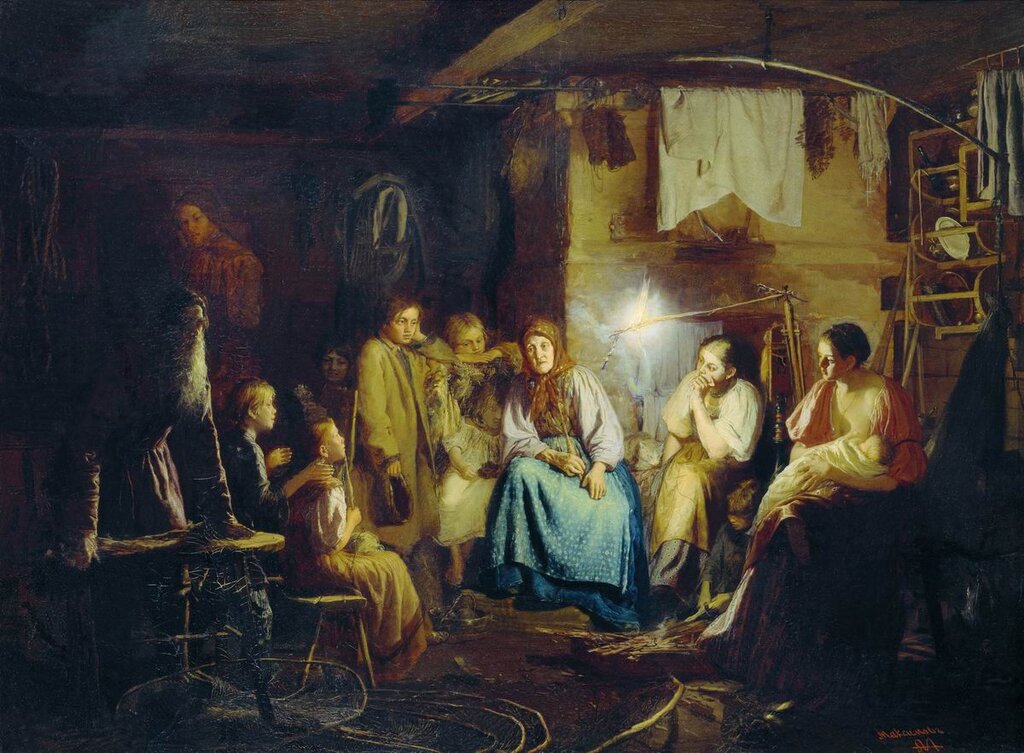
Storytelling is as old as humanity itself. Long before we had written language, people shared stories orally. They gathered around fires, passing down myths, histories, and warnings from one generation to the next. These spoken tales were the original libraries, holding a culture's collective knowledge and values.
The first major shift came with writing. Suddenly, stories could be recorded, preserved with greater accuracy, and shared across vast distances. From epic poems etched on clay tablets to handwritten scrolls, writing allowed narratives to outlive their tellers. The invention of the printing press in the 15th century democratized storytelling even further, making books and their ideas accessible to the masses.
Today, we're in another transformative era. Stories now unfold on screens of all sizes, through films, video games, podcasts, and social media. The technology has changed, but our fundamental need for narrative remains the same.
The Building Blocks of a Story
While stories come in endless varieties, most compelling narratives are built from the same five basic elements. Understanding these components is the first step to crafting stories of your own.
Plot
noun
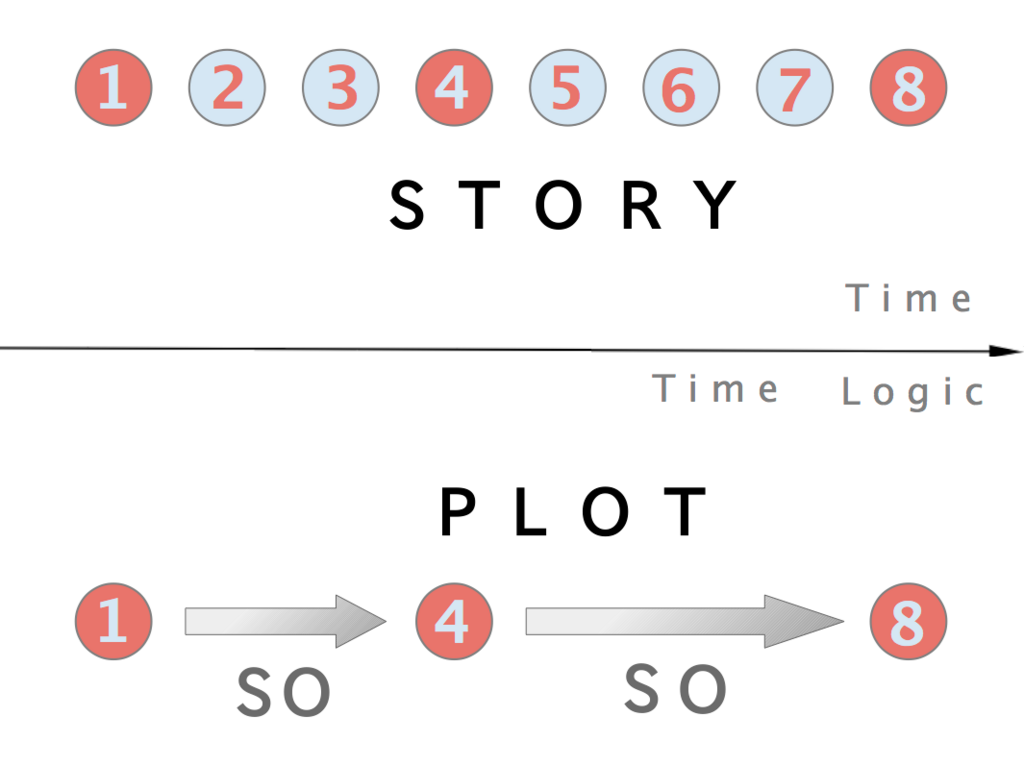
The sequence of events in a story; what happens from beginning to end. It provides the story's structure.
The plot isn't just a random list of events. It's a chain of cause and effect, where each event triggers the next.
Character
noun
The individuals (or beings) who participate in the story. They are the ones who drive the plot forward through their actions, decisions, and motivations.
A good story needs characters that the audience can connect with, whether they love them or hate them. Their goals and desires are what create the story's central tension.
Setting
noun
The time and place where the story occurs. The setting helps create the mood and provides context for the events and characters.
The setting is more than just a backdrop. It can influence the characters' behavior, present unique obstacles, and even become a character in its own right.
Conflict
noun
The central struggle or problem that the characters must face. Conflict is the engine of the story, creating tension and driving the narrative forward.
Without conflict, there is no story. The struggle can be external (like a hero fighting a dragon) or internal (like a character grappling with a tough decision).
Theme
noun
The underlying message, idea, or moral of the story. It's what the story is really about, beyond the surface-level plot.
The theme is rarely stated directly. Instead, it emerges through the characters' journeys, the resolution of the conflict, and the story's overall message about life or human nature.
Stories Across Cultures
Storytelling is a universal human trait, but its expression varies widely from one society to another. Every culture has its own unique myths, legends, fables, and folktales that reflect its values, beliefs, and history.
These stories serve a vital social function. They teach children about right and wrong, explain the origins of the world and its customs, and preserve the memory of historical events and important figures. For example, Anansi the Spider stories from West Africa teach lessons about wit and wisdom, while Greek myths explore themes of hubris, fate, and heroism.
By sharing and listening to stories from different cultures, we can build empathy and gain a deeper understanding of the diverse ways people see the world.
Let's review the key terms we've covered before we test your knowledge.
Ready to check your understanding?
According to the text, what is the primary function of storytelling?
Which invention is credited with democratizing storytelling by making books and their ideas accessible to the masses?
You've now learned about the power of stories, their history, and their core components. This foundation is the first step toward understanding how narratives shape our world.