The Art of Sleight of Hand
Introduction to Sleight of Hand
The Hidden Art of Magic
Magic often feels like it breaks the laws of physics. A coin vanishes into thin air, a card appears from nowhere, or a solid object passes through another. But behind many of these astonishing feats isn't supernatural power, but a highly refined, ancient skill known as sleight of hand.
sleight of hand
noun
The use of skillful, quick hand movements to deceive onlookers, creating the illusion of magic.
At its core, sleight of hand is about making a secret action look like a natural one. It's the art of doing something right in front of an audience without them noticing. The term itself comes from an old Norse word meaning 'sly' or 'cunning.' For centuries, this craft was practiced not just by entertainers, but also by cardsharps and street hustlers who used their dexterity for less noble purposes.
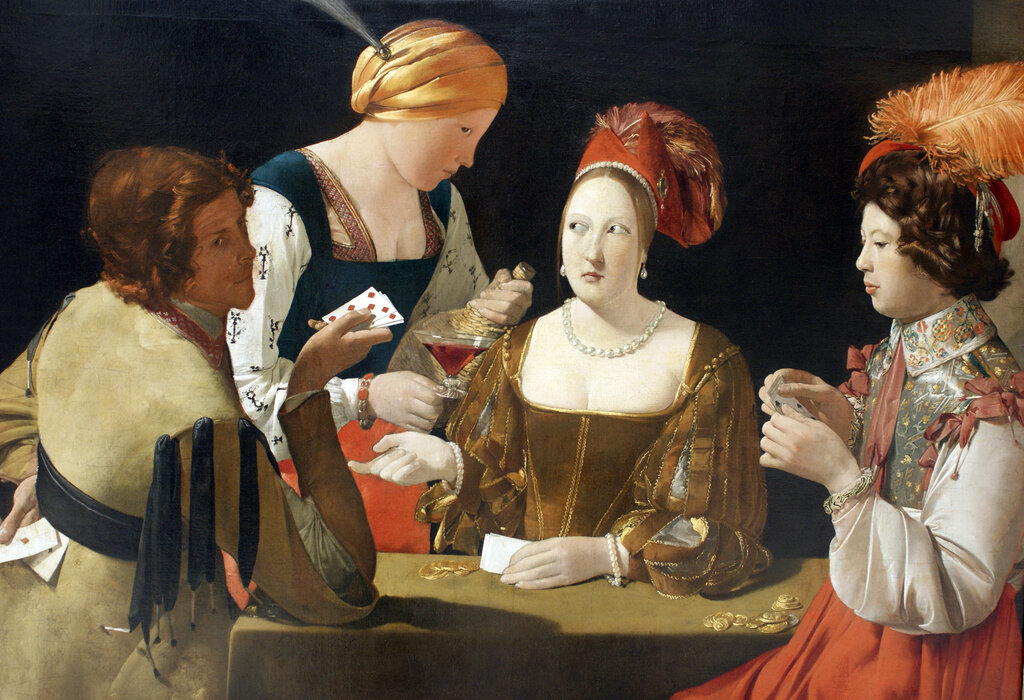
Over time, performers refined these techniques, turning them from methods of cheating into a form of entertainment. Today, sleight of hand is the foundation of close-up magic, the kind of intimate performance that happens just a few feet away from the spectator.
The Three Pillars
Mastering sleight of hand isn't about knowing thousands of tricks. It's about building a strong foundation on three essential skills: dexterity, timing, and practice. These pillars support every illusion a magician performs.
Dexterity is the ability to move your hands and fingers with precision, grace, and control. It's what allows a magician to manipulate objects smoothly and secretly. This doesn't mean you need to be born with 'magician's hands.' Dexterity is built through specific exercises and endless repetition, training the muscles to perform complex movements without conscious thought.
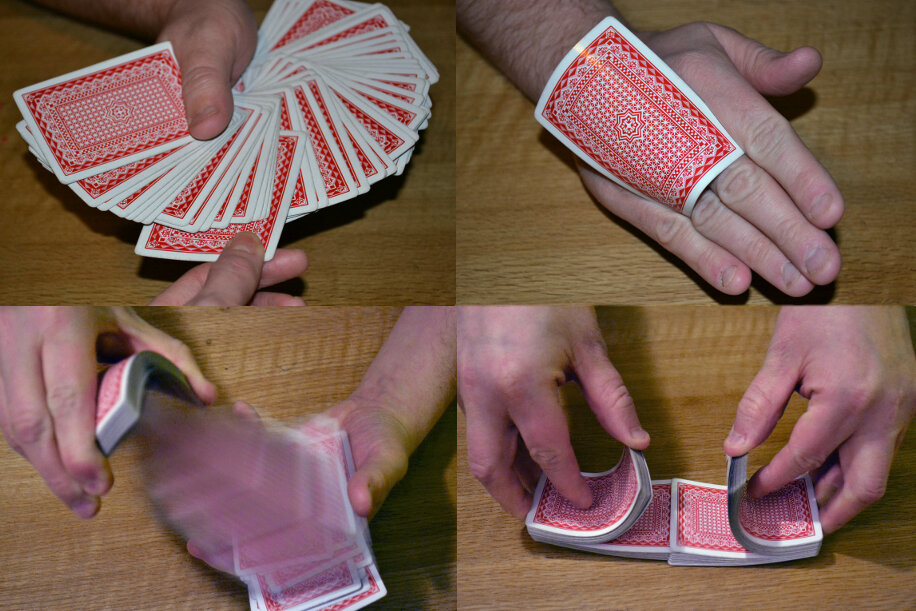
Next is timing. Sleight of hand is often misunderstood as being about speed, but it's really about timing. A secret move must be performed at the exact moment the audience's attention is weakest or focused elsewhere. It’s a dance between the magician's actions and the audience's perception. The right move at the wrong time is just a clumsy fumble; the right move at the right time is magic.
Finally, and most importantly, is practice. There are no shortcuts in sleight of hand. Every move, from a simple coin palm to a complex card shuffle, must be practiced until it becomes second nature. The goal is to perform the action so smoothly and naturally that it becomes invisible, hiding in plain sight.
Understanding sleight of hand is the key to understanding magic.
Creating the Illusion
The objective of all this work is to create a moment of impossibility. When a magician performs, the sleight—the secret move—is the method, but it isn't the point. The point is the effect: the illusion that something magical has happened.
The mechanics must be completely hidden from the audience. If the spectator sees the secret action, the trick is exposed and the magic is lost. But when dexterity and timing are perfected through practice, the sleight becomes invisible, allowing the illusion to stand on its own.

This is why sleight of hand is such a powerful tool. It allows a performer to create wonder with everyday objects like cards, coins, and ropes. It doesn't rely on fancy props or elaborate stage setups. The magic happens right in the magician's hands.