The Art of Sketch Comedy
Introduction to Sketch Comedy
What Is Sketch Comedy?
Sketch comedy is a short, scripted scene or skit. Unlike a sitcom that follows characters over many episodes, a sketch is a self-contained universe. It introduces a situation, explores a single funny idea, and then ends, usually in just a few minutes. The goal is to get to the joke—the comedic premise—as quickly as possible and build on it until the scene reaches its peak.
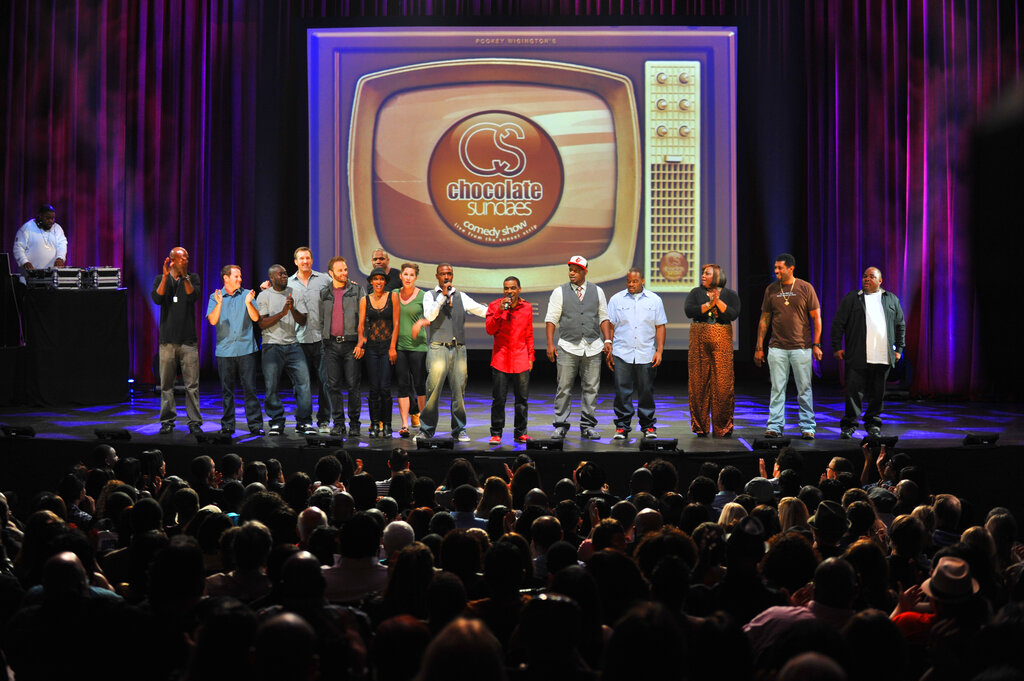
Think of it like a comic strip. You get the setup, the development, and the punchline all in one go. There's no need to know a character's backstory or what happened last week. All that matters is what’s happening in this one, funny moment.
A Quick History
Sketch comedy's roots go back to vaudeville and music hall revues of the late 19th and early 20th centuries. These variety shows featured a mix of acts, including short, comedic plays that poked fun at everyday life. They had to be quick and punchy to keep the audience's attention before the next act came on stage.
When radio arrived, these short skits found a new home. Later, television gave them a visual dimension. Early TV variety shows like Your Show of Shows were built around sketches. This format laid the groundwork for iconic shows that would define the genre for generations, from Monty Python's Flying Circus in the UK to Saturday Night Live in the US.
The internet created another revolution. Digital platforms like YouTube and TikTok allowed anyone to write, shoot, and upload their own sketches. This democratized the form, leading to an explosion of new voices and styles, unbound by the constraints of traditional television.
The Building Blocks
While sketches can be about anything, they share a few key traits that set them apart from other types of comedy, like stand-up or improv.
The foundation of any good sketch is its premise—the single unusual or absurd idea that the scene is built around. It’s the “what if” question that the sketch answers.
For example, what if a GPS navigator had the personality of a passive-aggressive friend? That's a premise. The sketch would then explore that idea through dialogue and action. A good sketch introduces its premise clearly and early. Then, it escalates. The situation gets more and more ridiculous, building on the initial joke until a final punchline or resolution. It’s a focused exploration of one funny thought.
Sketch Formats
Sketch comedy isn't confined to one medium. It appears in different forms, each with its own strengths.
| Format | Environment | Key Feature |
|---|---|---|
| Live Theater | Performed on stage for a live audience. | Immediate audience feedback and energy. |
| Television | Broadcast or streamed, often with higher production value. | Can use editing, special effects, and multiple locations. |
| Digital | Online platforms like YouTube or TikTok. | Short, viral, and highly accessible. Often low-budget. |
Live sketch shows, like those at The Second City or Upright Citizens Brigade, thrive on the energy of the room. Television shows like Key & Peele can create cinematic, polished worlds for their sketches. And digital sketches from creators like Smosh or Foil Arms and Hog rely on sharp, relatable premises that can grab a viewer's attention in seconds.
Each format influences the style and pacing of the comedy, but the core principles remain the same: a strong premise, clear execution, and a quick-hitting punchline.
What is the primary goal of a sketch comedy scene?
Sketch comedy has its historical roots in which of the following?
Understanding these foundations—what a sketch is, where it came from, and how it's structured—is the first step. From here, you can start to explore how to bring your own funny ideas to life.