The Art of Seduction
Introduction to Seduction
The Art of Attraction
Seduction is often misunderstood, reduced to simple pickup lines or manipulative tricks. In reality, it's a complex form of social influence rooted in creating a powerful sense of attraction and fascination. It's about drawing someone in, not through force, but through an alluring pull that makes them want to get closer.
seduction
noun
The act of persuading someone to engage in a desired behavior, typically by making oneself attractive or charming.
This process isn't limited to romance. The principles of creating interest and building a connection apply to leadership, marketing, and everyday social interactions. It’s about being compelling enough that others willingly follow your lead or adopt your ideas. At its core, seduction is about making an impression that lasts, creating a desire for more interaction.
A Look Through Time
The concept of seduction has changed dramatically throughout history. In ancient societies, myths and legends were filled with gods and goddesses who used divine charm to influence mortals. Figures like Aphrodite in Greek mythology embodied the power of irresistible attraction.
During the Middle Ages, the idea of courtly love introduced a new, more formalized approach. Knights performed grand gestures to win the affection of noblewomen, often from afar. Seduction became an elaborate game of poetry, chivalry, and devotion, focused on emotional and spiritual connection rather than purely physical attraction.
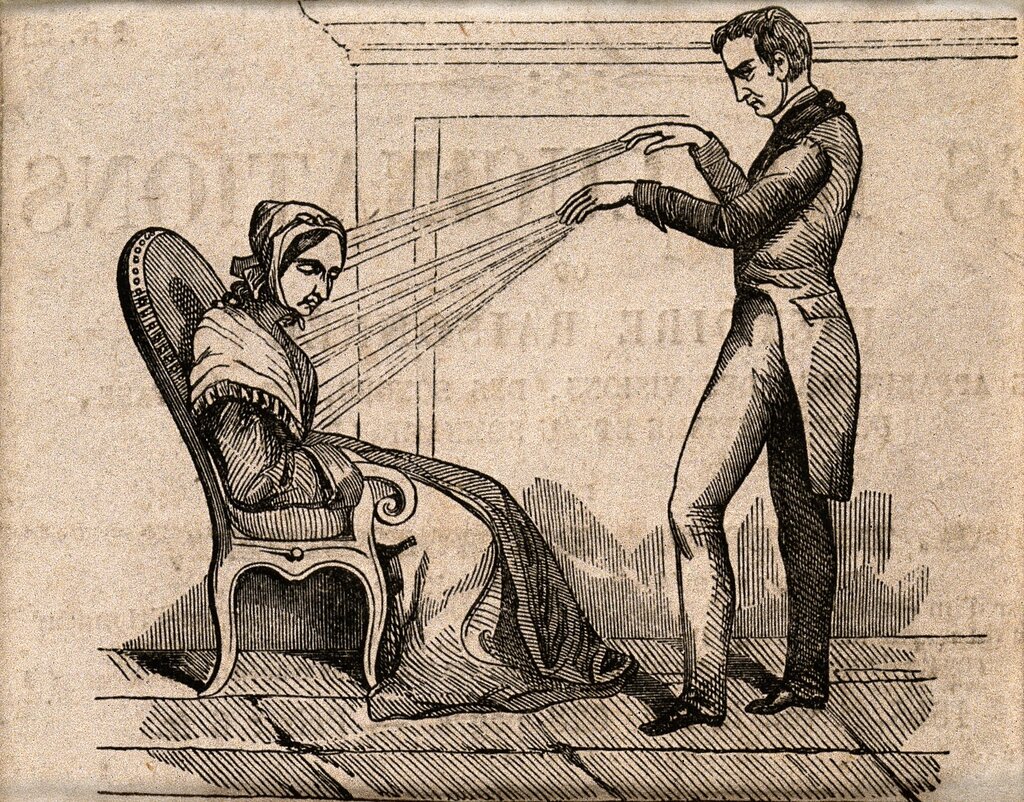
The 18th century brought a shift towards the psychological. The Enlightenment celebrated reason, but it also explored the depths of human desire. It was the era of the libertine, who mastered the arts of conversation and wit to charm and persuade. This period also saw the rise of ideas like mesmerism, which, though a pseudoscience, highlighted a growing fascination with mysterious, unseen forces of influence between people.
A Global View
What one culture finds seductive, another might see as strange or even rude. Seduction isn't a one-size-fits-all practice; it's deeply shaped by social norms, values, and traditions. The gestures, words, and even the amount of eye contact considered appropriate vary widely around the globe.
In some cultures, attraction is expressed indirectly, through subtle hints, poetry, or the exchange of gifts. In others, directness and bold declarations of interest are valued. These differences reflect broader cultural values, such as the emphasis on individualism versus community.
| Cultural Approach | Expression of Interest | Role of Family/Community |
|---|---|---|
| Individualistic | Direct, verbal, emphasizes personal feelings. | Less influential; choice is personal. |
| Collectivistic | Indirect, subtle, relies on non-verbal cues. | Highly influential; social approval is key. |
| High-Context | Implicit, conveyed through shared understanding. | Deeply integrated into social rituals. |
| Low-Context | Explicit, clear, and unambiguous language. | Less involved in the initial stages. |
Understanding these variations is key to seeing seduction as a form of social intelligence. It's about reading social cues and adapting your approach to fit the context, not applying a rigid set of rules.
The Psychology of Seduction
Seduction works by tapping into fundamental aspects of human psychology. It’s not magic; it’s an intuitive understanding of what makes people tick. Several key psychological principles are at play.
At its core, persuasion is about understanding human behavior and employing specific techniques to appeal to individuals on a subconscious level.
One of the most powerful drivers is curiosity. When someone seems mysterious or unpredictable, it creates a puzzle that our minds want to solve. This desire to know more keeps us engaged and invested. Seduction often involves revealing just enough to capture interest while holding something back, encouraging the other person to lean in.
Another principle is validation. Humans have a deep need to feel seen, understood, and appreciated. When someone listens intently, remembers small details, and makes us feel important, it builds a powerful bond. This form of validation makes us feel good about ourselves and, by extension, good about the person providing it.
Finally, the scarcity principle plays a role. We tend to place a higher value on things that are rare or difficult to obtain. In a social context, this can translate to someone who appears confident, independent, and not easily won over. Their attention feels more valuable because it isn't given away freely.
Time to check your understanding of these foundational ideas.
According to the text, what is the core concept of seduction?
How did the idea of courtly love in the Middle Ages characterize seduction?
By understanding these historical, cultural, and psychological dimensions, you can begin to see seduction not as a set of tactics, but as a dynamic and nuanced part of human interaction.