The Art of Sales
Understanding Customer Needs
It Starts with Listening
Great sales conversations aren't about delivering a perfect pitch. They're about understanding a problem. Before you can offer a solution, you need to grasp the customer's world, their challenges, and what they hope to achieve. The most effective way to do this is by shifting your focus from talking to listening.
This isn't about passively hearing words. It's about active listening. This means you're fully concentrated on what's being said, you understand the message, and you can respond thoughtfully. When someone feels heard, they also feel respected. That's the first step toward building trust.
Active listening involves summarizing what you've heard in your own words. Simple phrases like, "So, if I'm understanding correctly, the main issue is..." not only confirm your understanding but also show the customer you're paying close attention.
There are five steps to making Socratic selling work for you: show respect, listen more than you talk, repeat what you have heard, ask questions and discuss benefits and solutions.
Building a Connection
People buy from people they like and trust. Building rapport isn't just about small talk; it's about making a genuine connection. It's the foundation upon which you can have an honest conversation about their needs. Without that trust, customers may be hesitant to share the full scope of their problems.
How do you build rapport? Start with genuine curiosity. Ask about their role, their company, and their industry. Show empathy for their challenges. Mirror their tone and energy level—if they are formal, you should be too. If they're more relaxed, you can be as well. The goal is to create a comfortable environment where they feel they're talking to a partner, not just a vendor.

Asking the Right Questions
Listening is crucial, but you also need to guide the conversation. The right questions can unlock the information you need to truly understand the customer's situation. The most powerful tools for this are open-ended questions.
Unlike closed-ended questions, which can be answered with a simple "yes" or "no," open-ended questions encourage the customer to share more details, thoughts, and feelings. They often start with words like "what," "how," or "why."
| Closed-Ended Questions | Open-Ended Questions |
|---|---|
| Are you happy with your current process? | What does your current process for this look like? |
| Did you meet your goal last quarter? | How do you feel about your team's performance last quarter? |
| Is cost a major factor for you? | What are the most important factors for you when considering a new solution? |
Questioning Proficiency: Develop the ability to ask insightful and thought-provoking questions that uncover customer needs and drive persuasive sales dialogues.
By asking thoughtful, open-ended questions, you move beyond surface-level issues and get to the core of what the customer is trying to accomplish.
Understanding Expectations
Sometimes, what a customer says they need isn't the full story. They might describe a symptom, but your job is to uncover the underlying cause. Understanding their true goals and expectations is the final piece of the puzzle. What does success actually look like for them? What outcome are they hoping for?
This concept is often called the "job to be done." A customer isn't just buying a product; they are "hiring" it to do a job. For example, someone doesn't buy a drill because they want a drill. They buy a drill because they want a hole in the wall. Digging deep to understand the ultimate goal helps you align your future recommendations with what will actually make them successful.
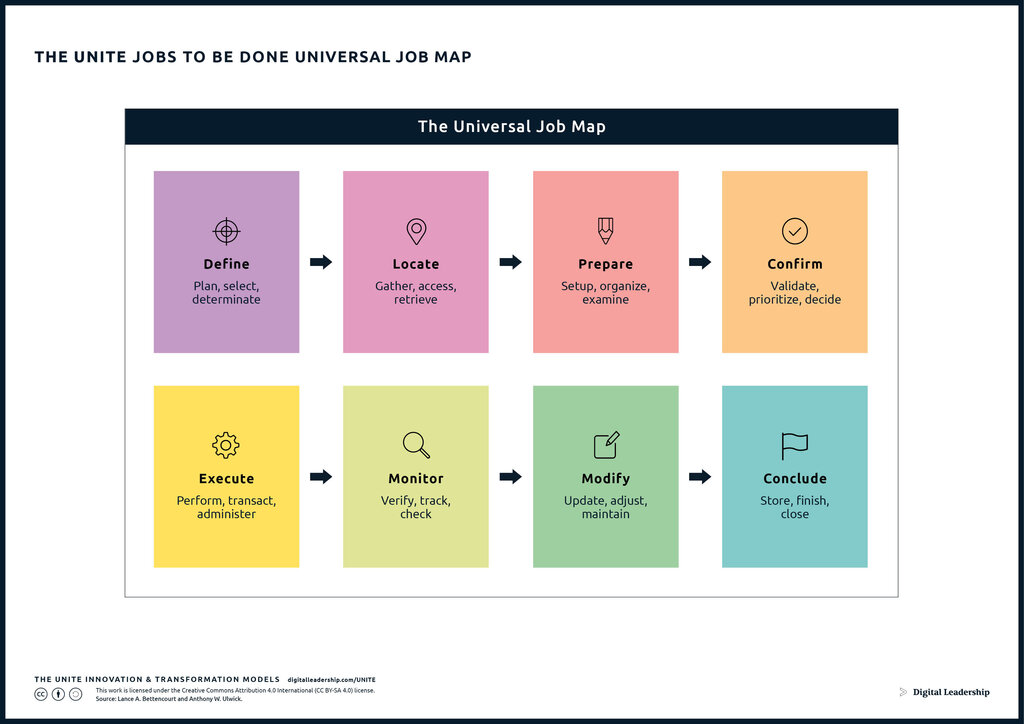
By clarifying these expectations early on, you ensure that you and the customer are on the same page. This prevents misunderstandings later and sets the stage for a successful long-term relationship.
Ready to check your understanding? Let's see what you've learned.
What is the primary goal of an initial sales conversation?
Which type of question is most effective for uncovering a customer's core needs?
By mastering listening, building rapport, and asking the right questions, you lay the groundwork for a sales process that's built on trust and a genuine desire to help.