The Art of Riveting
Introduction to Riveting
What is Riveting?
Riveting is a way to fasten two or more pieces of material together, usually metal. Think of it like a permanent, high-strength staple. The process involves inserting a small metal pin, called a rivet, through aligned holes in the parts you want to join. Then, you deform the end of the rivet, creating a second head that clamps the pieces tightly together.
rivet
noun
A short metal pin or bolt for holding together two plates of metal, its headless end being beaten out or pressed down when in place.
The result is a permanent joint. Unlike a screw or bolt, a rivet isn't meant to be undone. Its job is to hold things together for good.
A Brief History
Riveting is one of the oldest methods for joining metal. Archaeologists have found riveted objects dating back to the Bronze Age. But the technique truly came into its own during the Industrial Revolution.
Suddenly, we needed to build bigger and stronger things: steam boilers, massive ships, iron bridges, and the first skyscrapers. Welding technology was still in its infancy, so riveting was the go-to method for creating the strong, reliable joints these structures demanded. Iconic structures like the Eiffel Tower and the Golden Gate Bridge are held together by millions of rivets.
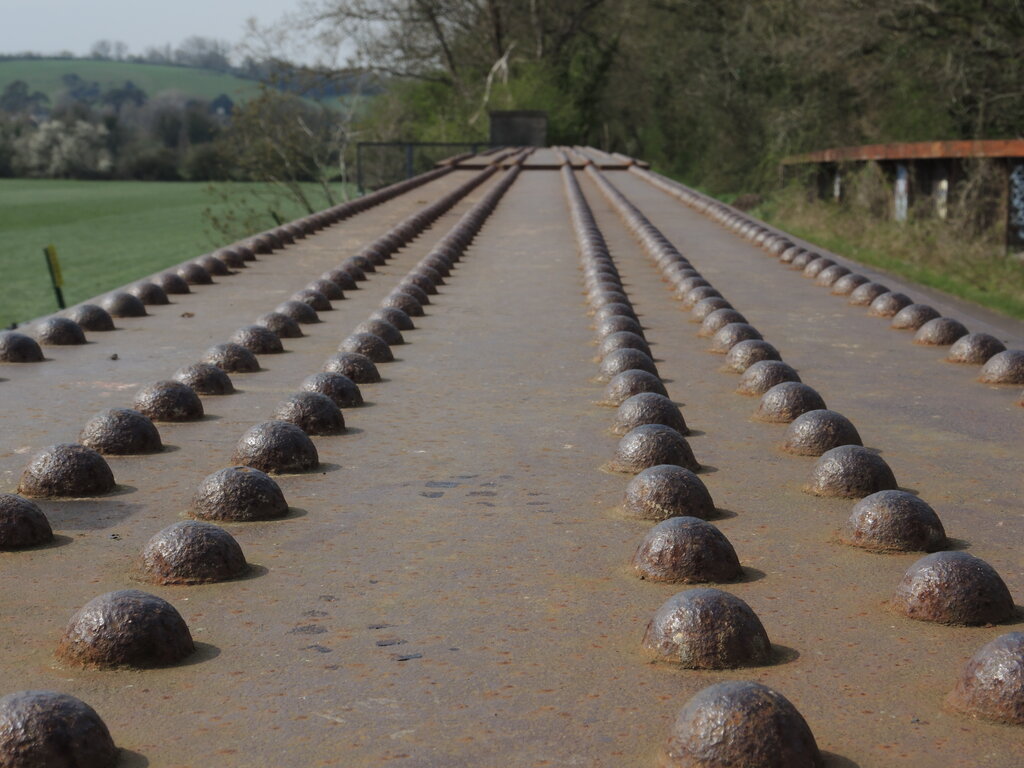
While modern techniques like high-strength bolting and advanced welding have replaced riveting in many areas, it's still used in specific applications, especially in aviation and when joining materials that can be damaged by heat.
The Parts of a Joint
A basic riveted joint consists of two main parts: the materials being joined and the rivet itself. The rivet has two key features: the manufactured head and the shank.
The process is straightforward. The rivet's shank is passed through holes in the materials. Then, the tail end of the shank is hammered or pressed, forming a second head called the 'shop head' or 'buck-tail'. This new head clamps the materials between the two heads, creating a tight joint.
This clamping force creates friction between the plates, which helps the joint resist forces that try to slide the plates apart.
Why Use Rivets?
Even with modern alternatives, riveting offers distinct advantages in certain situations.
First, it creates incredibly strong and durable joints. A well-made riveted joint is excellent at resisting shear forces, which are the forces that push one part of an object in one direction and another part in the opposite direction. The rivet itself physically blocks the plates from sliding past each other.
Second, quality control is simple. You can tell if a rivet is properly installed just by looking at it and tapping it with a small hammer. A tight rivet will have a clear ring, while a loose one will sound dull.
Crucially, riveting is a 'cold' process. It doesn't require the intense heat of welding, which can change the properties of the metal, potentially weakening it or causing it to warp.
This makes riveting ideal for joining heat-treated aluminum alloys, which are common in aircraft construction, or for repair work on historical structures where welding might cause damage.
Let's test your knowledge on these fundamentals.
What is the primary purpose of a riveted joint?
During the riveting process, the tail end of the rivet is hammered or pressed to form a second head. What is this newly formed head commonly called?