The Art of Rhetoric
Introduction to Rhetoric
What is Rhetoric?
At its core, rhetoric is the art of persuasion. It's the craft of using language effectively to please, persuade, or influence an audience. Think of it as a toolkit for communication. Just as a carpenter chooses the right tool for a specific job, a speaker or writer uses rhetoric to select the right words, arguments, and structure to achieve a particular goal.
Let rhetoric be [defined as] an ability, in each [particular] case, to see the available means of persuasion
This isn't just about giving grand speeches or writing elaborate essays. We use rhetoric every day, often without realizing it. When you try to convince your friends to watch a movie you love, persuade a colleague to help with a project, or even write a compelling social media post, you're using rhetoric. It’s about making conscious choices in how you communicate to have an impact on others.
Why Rhetoric Matters
Understanding rhetoric is a crucial skill in a world saturated with information. We are constantly surrounded by messages designed to influence us, from advertisements and news articles to political campaigns and corporate memos. Rhetoric gives us the tools to analyze these messages critically.
By learning about rhetoric, you can start to see how these messages work. You can identify the techniques being used to sway your opinion or emotions. This makes you a more informed citizen, a smarter consumer, and a more discerning thinker. It moves you from being a passive recipient of information to an active and critical participant in communication.
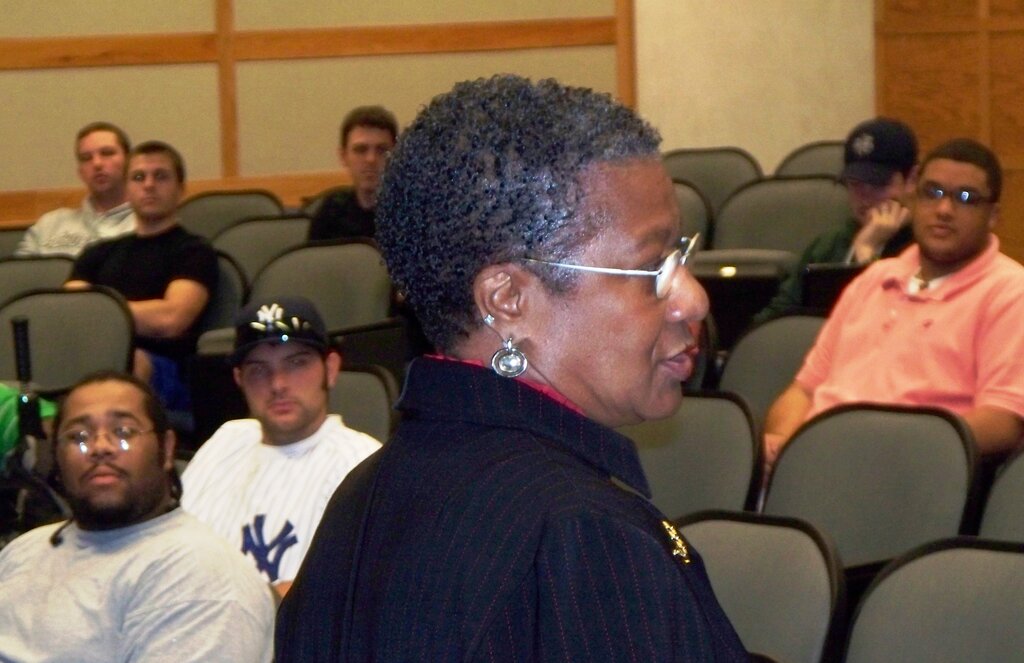
Beyond analysis, studying rhetoric also improves your own ability to communicate. It teaches you how to structure an argument, consider your audience's perspective, and choose your words carefully to express your ideas clearly and persuasively. Whether you're writing a cover letter, participating in a debate, or simply trying to make your voice heard, the principles of rhetoric can help you do so more effectively.
A Brief History
The formal study of rhetoric began thousands of years ago in ancient Greece. In the democratic city-state of Athens, citizens were expected to participate directly in politics and law. They had to speak for themselves in the assembly and in court. There were no professional lawyers to hire, so the ability to speak persuasively was essential for protecting one's property, rights, and standing in the community.
This practical need gave rise to the first teachers of rhetoric, known as the Sophists. They taught young men the skills of public speaking and argumentation. Later, philosophers like Plato and Aristotle developed more systematic and ethical theories of rhetoric, exploring its relationship to truth, logic, and justice. These early discussions laid the groundwork for how we understand communication and persuasion even today.

Throughout history, rhetoric has remained a central part of a classical education. It was seen as a fundamental skill for anyone who wanted to participate in public life, shaping the speeches of Roman senators, the sermons of medieval priests, and the pamphlets of revolutionary writers. While the media and methods have changed, the core purpose of rhetoric—to communicate effectively and persuasively—remains as relevant as ever.
What is the primary purpose of rhetoric?
According to the text, why is understanding rhetoric a crucial skill in the modern world?