The Art of Qinghua Porcelain
Origins and Early Development
A Hint of Blue
The iconic blue-and-white porcelain, known in Chinese as Qinghua (青花), didn't appear overnight. Its story begins much earlier, with tentative experiments during the Tang dynasty (618–907 AD). Potters at that time were masters of earthenware and monochrome glazes, but a new, exotic color was about to change everything.
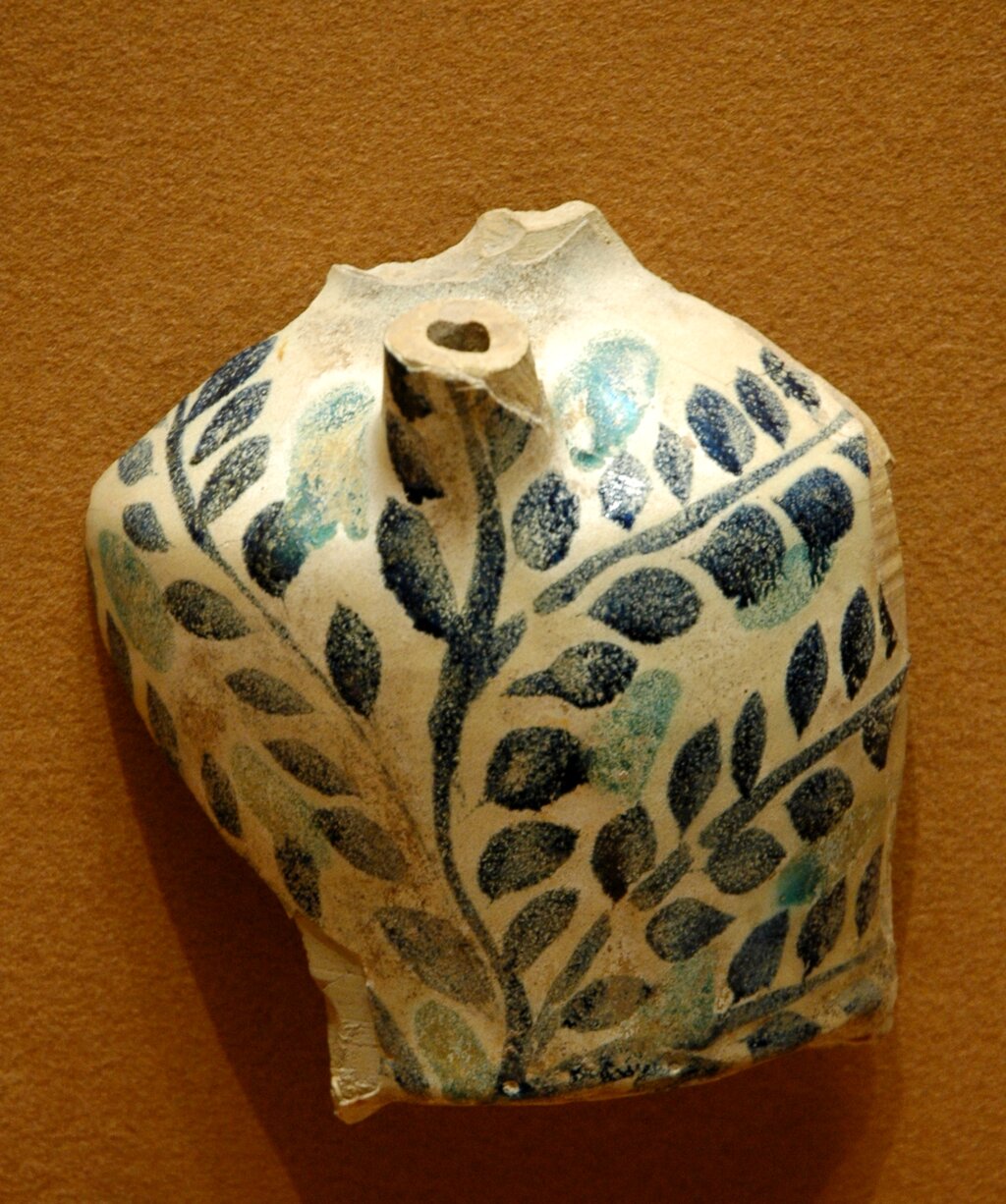
The key ingredient was cobalt. This mineral pigment, which produces a brilliant blue under high heat, wasn't native to China. It was imported, most likely from Persia, making it a rare and precious material. Early Tang potters began experimenting with it, applying simple blue splashes and patterns to their earthenware. These early pieces were often crude compared to later masterpieces, but they were the first crucial steps.
Painting Under the Glaze
Color was only part of the puzzle. The real breakthrough was the development of the underglaze technique. Instead of painting on top of the finished glaze, artisans painted their designs directly onto the unfired, porous clay body. Then, they applied a transparent glaze over the entire piece before firing it in the kiln.
Why was this so important? Firing the piece at incredibly high temperatures (over 1200°C or 2200°F) fused the pigment, glaze, and clay into one. The cobalt design was now sealed beneath a hard, glassy layer, making it permanent. It wouldn’t chip, fade, or wear away. This innovation, pioneered at kilns like the Gongxian kilns in Henan province, protected the art and gave the blue a stunning depth and vibrancy.
The underglaze technique ensured the cobalt blue design was sealed forever, becoming an integral part of the porcelain itself.
From Shadow Blue to True Blue
During the Song dynasty (960–1279 AD), a different kind of porcelain reigned supreme: Qingbai ware. The name translates to "shadow blue" or "bluish-white," and it perfectly describes its appearance. These pieces had a pure white porcelain body covered in a distinctive, transparent glaze with a subtle blue or green tint. Qingbai was elegant and refined, celebrated for its delicate forms and jade-like finish.
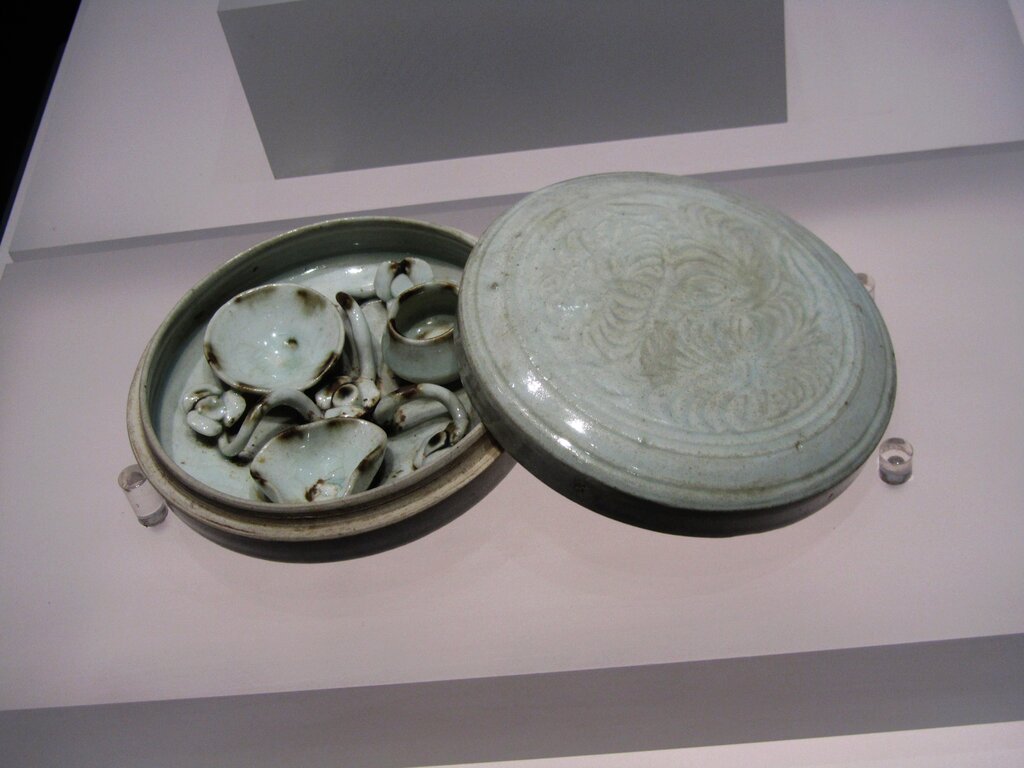
The center of Qingbai production was a town that would soon become world-famous: Jingdezhen. The potters there had access to superior kaolin clay, which allowed them to create exceptionally white and durable porcelain. It was this pure white canvas that was perfect for the deep blue of cobalt.
By combining the existing mastery of Qingbai porcelain with the underglaze cobalt technique, the potters of Jingdezhen laid the groundwork for a revolution. They transitioned from the subtle, monochrome beauty of Qingbai to the bold, graphic contrast of Qinghua. This fusion of a perfect white body and a permanent, brilliant blue set the stage for the global phenomenon that blue-and-white porcelain would become in the following centuries.
What was the key mineral pigment, imported from Persia, used to create the brilliant blue in Qinghua porcelain?
The development of the underglaze technique was a major breakthrough. What did this process involve?