The Art of Problem Solving
Introduction to Problem Solving
What Is Problem Solving?
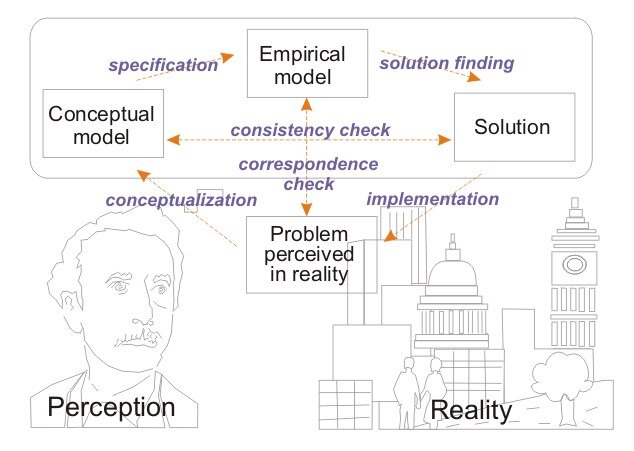
At its core, problem solving is the process of navigating from a current state to a desired goal when the path isn't obvious. It's not just about finding answers; it's about figuring out the right questions to ask and the steps to take to reach a solution.
Problem Solving
noun
The act of defining a problem, determining its cause, identifying, prioritizing, and selecting alternatives for a solution, and implementing that solution.
Think of it like being a detective. You have a case (the problem), clues to gather (information), suspects to consider (potential solutions), and a conclusion to reach (the final answer). It's a structured journey from confusion to clarity. This process isn't limited to math equations or science labs; it's something we do every day, whether we're fixing a leaky faucet or planning a trip.
A Universal Skill
Why is this skill so important? Because problems are a part of life and work. The ability to tackle challenges effectively is what separates frustration from progress. Strong problem-solvers are better equipped to handle unexpected obstacles, make informed decisions, and innovate.
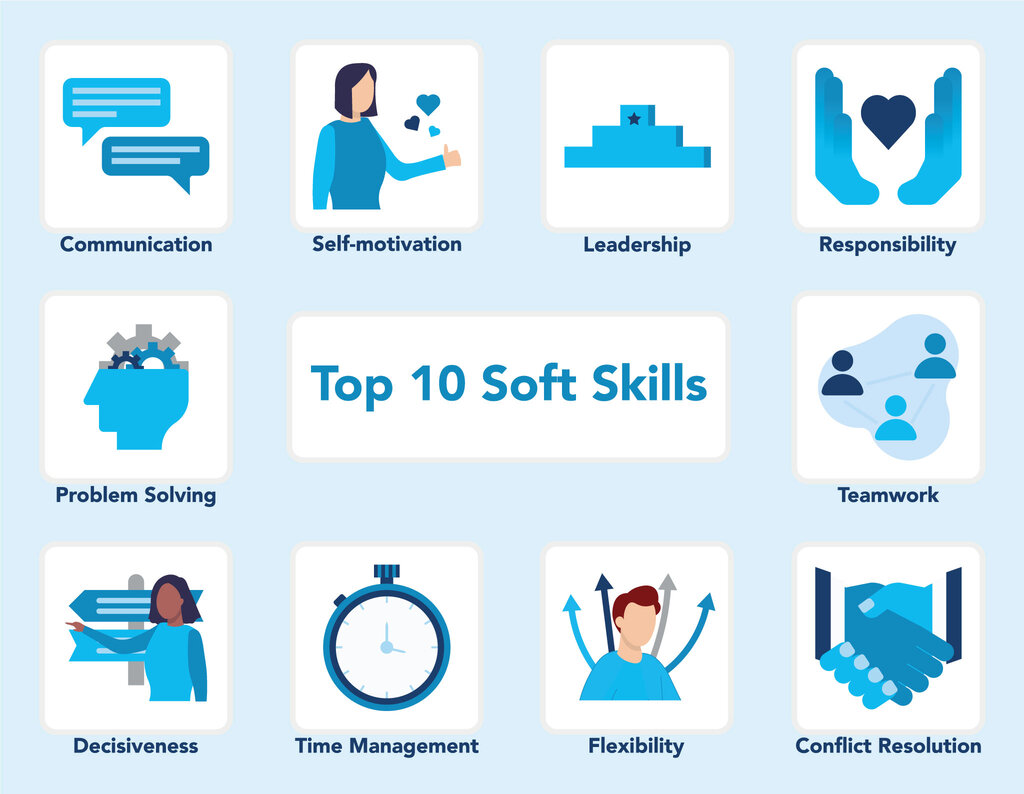
Develop skills like critical thinking, problem-solving, and synthesis, which are essential for navigating different perspectives.
Developing this ability strengthens other key competencies. It sharpens your critical thinking, boosts creativity, and builds resilience. When you successfully solve a problem, you learn that challenges are manageable. This confidence carries over into every area of your life, making you a more effective student, employee, and individual.
A General Blueprint
While every problem is unique, the approach to solving them often follows a similar pattern. Having a general framework helps organize your thoughts and ensures you don't miss crucial steps. Think of it less as a rigid set of rules and more as a reliable guide.
1. Define the Problem: Before you can solve a problem, you have to understand it. What exactly is the issue? What does the ideal outcome look like? A clear, precise problem statement is the foundation for everything that follows.
2. Gather Information: Look for facts, data, and different perspectives related to the problem. The more you know, the better prepared you'll be to find a viable solution.
3. Brainstorm Solutions: This is the creative phase. Generate as many potential solutions as you can without judgment. The goal is quantity over quality at this stage. Sometimes the most unconventional idea is the one that works.
4. Choose the Best Solution: Now it's time to analyze your options. Evaluate each potential solution against criteria like feasibility, cost, and effectiveness. Select the one that has the highest chance of success.
5. Implement the Solution: A plan is useless without action. Put your chosen solution into practice. This step requires careful planning and execution.
6. Review and Learn: Once your solution is implemented, assess the results. Did it solve the problem? What worked well? What could be improved? This final step is crucial for refining your approach and learning from the experience.
This general process provides a starting point for tackling any challenge, from simple daily tasks to complex strategic projects.
Ready to test your understanding of these foundational concepts?
What is the foundational first step in the described problem-solving framework?
During the 'Brainstorm Solutions' phase, what is the primary goal?
Mastering this process is a journey. By understanding these core ideas, you've taken the first and most important step.