The Art of Portraiture
Introduction to Portraiture
What is a Portrait?
A portrait is an artistic representation of a person. But it's more than just a picture of a face. The goal of a great portrait is to capture a sense of the individual's identity, personality, and even their mood. It's a way of showing who someone is, not just what they look like.
portraiture
noun
The art of creating portraits, which are representations of a particular person.
Think of it as a collaboration. The artist makes choices about the pose, lighting, background, and expression. The subject brings their own presence and story. Together, they create an image that tells us something about a specific person in a specific moment in time. The result can feel intimate and revealing, as if you're getting a glimpse into someone's inner world.
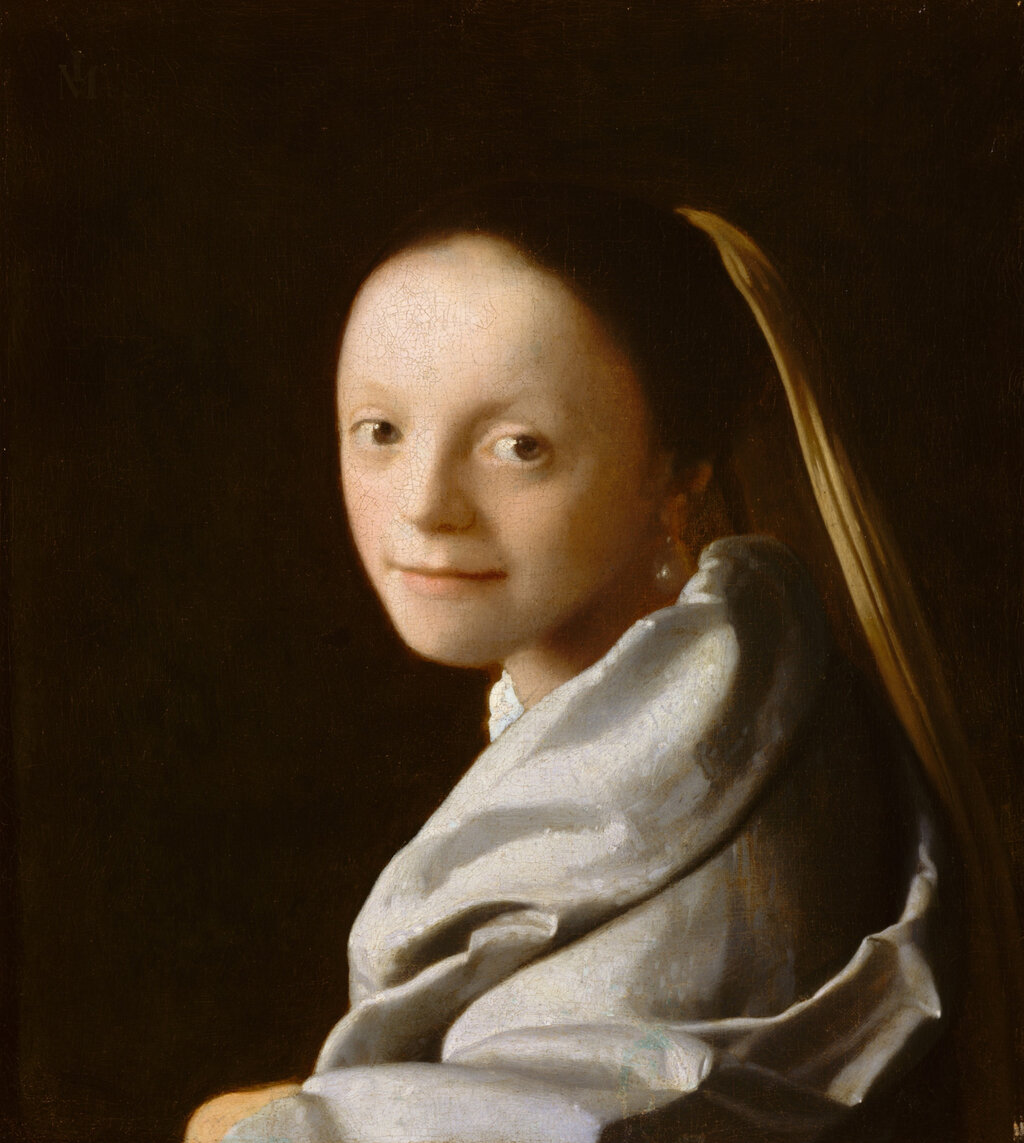
More Than a Record
Throughout history, portraits have served many purposes beyond simple documentation. For centuries, they were a luxury reserved for the rich and powerful. Kings, queens, and nobles commissioned portraits to display their wealth, authority, and social standing. Everything from the clothes they wore to the objects placed around them was carefully chosen to send a message about their importance.
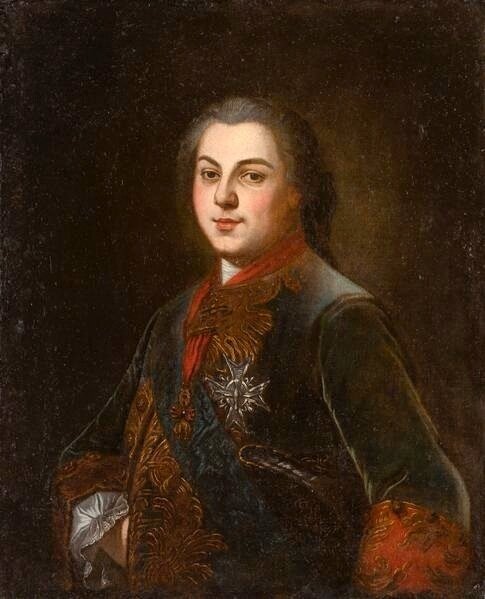
But portraits are also deeply personal. They act as records of family, preserving the faces of loved ones for future generations. Before the invention of photography, a painted portrait was the only way to hold onto the image of a family member. These artworks celebrate marriages, commemorate ancestors, and capture the innocence of childhood.
By looking at a portrait, we can learn about the values and customs of a particular time and place. The fashion, the setting, and even the subject’s pose tell a story about their society.
Different Forms of Portraiture
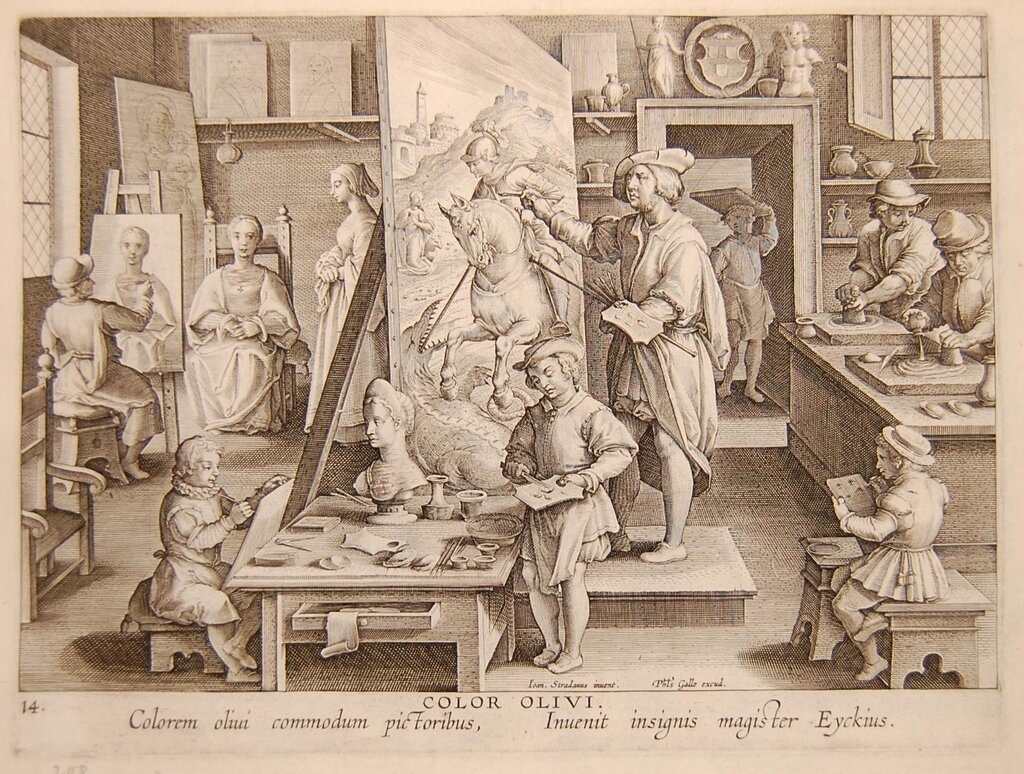
Portraits come in many forms, and the medium an artist chooses can dramatically affect the final result. The oldest and most traditional form is painting. Using oils, watercolors, or pastels, painters can create a wide range of textures and moods, from hyper-realistic detail to soft, expressive brushstrokes.
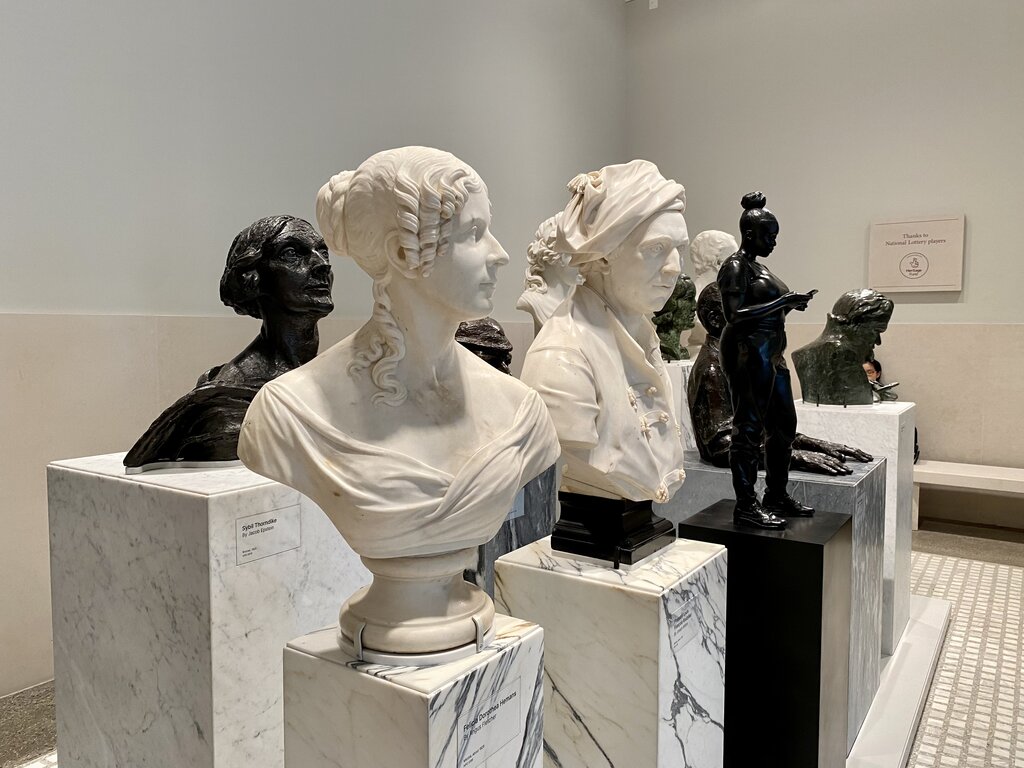
Sculpture offers a three-dimensional way to capture a likeness. Working with materials like marble, bronze, or clay, sculptors create busts (head and shoulders) or full-figure statues. A sculpted portrait allows the viewer to see the subject from multiple angles, offering a unique sense of physical presence.
The invention of photography in the 19th century revolutionized portraiture. Suddenly, capturing a person's likeness became faster, cheaper, and more accessible to the general public. From the early, formal daguerreotypes to modern digital snapshots, photography has made the portrait a part of everyday life.
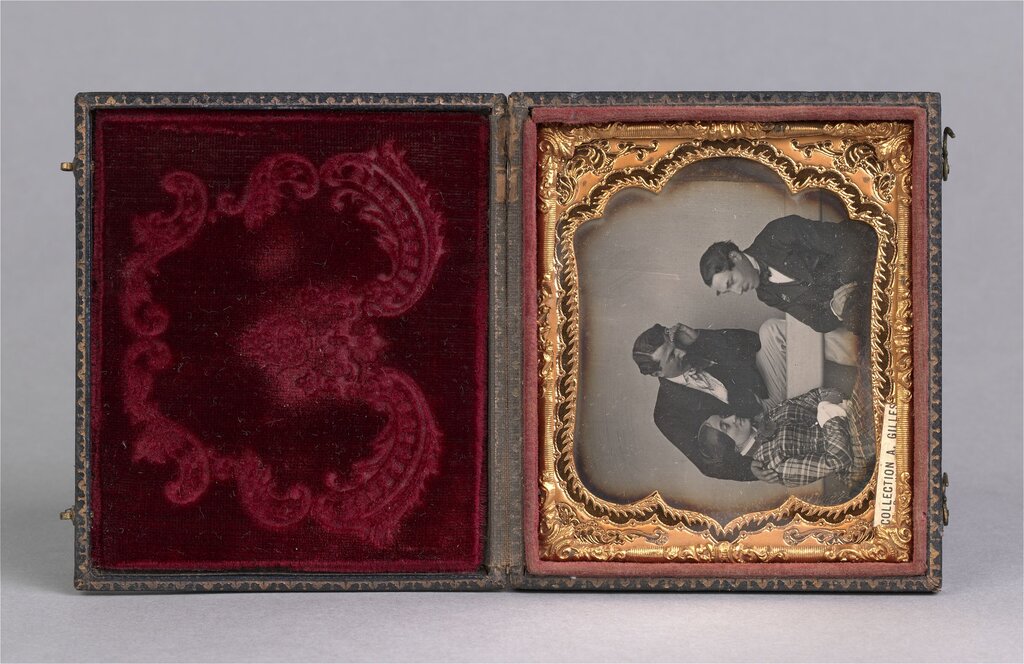
Each medium has its own strengths, but the fundamental goal remains the same: to create a compelling representation of an individual.