The Art of Perfume Creation
Introduction to Perfumery
The Art and Science of Scent
Scent is a powerful sense. A whiff of cinnamon can transport you to a holiday kitchen, while the smell of rain on hot pavement might recall a summer afternoon from childhood. Perfumery is the craft of capturing these feelings and memories in a bottle. It's a delicate practice that combines the creativity of an artist with the precision of a chemist.
Perfume blending is both an art and a science.
Creating a fragrance involves carefully selecting and balancing different aromatic ingredients to compose a unique scent. This process is about more than just mixing pleasant smells; it's about telling a story, creating a mood, and crafting an experience that unfolds over time.
A Whiff of History
The desire to smell good is as old as civilization itself. Fragrances have been a part of human culture for thousands of years, evolving from simple incense burned for the gods to the complex perfumes we wear today.
Perfumery was deeply integrated into Ancient Egyptian culture, used in religious rituals, burial practices, and daily life for its pleasant aroma, medicinal qualities, and as a deodorant to combat sweat.
The ancient Egyptians used scented oils and unguents made from pressing flowers and resins. Later, the Persians and Arabs refined the process. They were masters of distillation, a technique that allowed them to extract essential oils from plants with much greater purity.
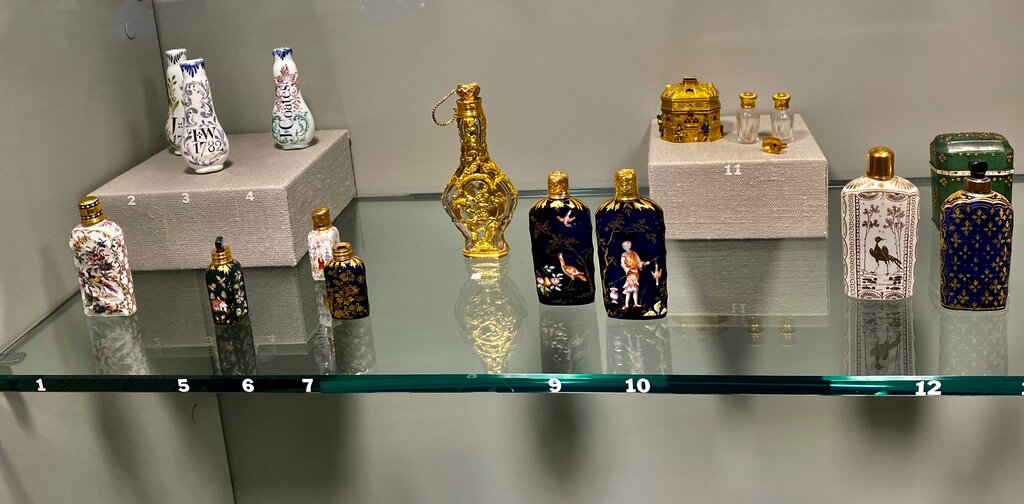
This knowledge eventually made its way to Europe during the Middle Ages. By the 17th century, France had become the center of the perfume world, particularly the town of Grasse, which remains a hub for fragrance creation. The industry flourished, transforming perfume from a luxury for royalty into an accessible form of personal expression.
The Language of Fragrance
At its core, a perfume is a mix of fragrant materials, like essential oils and aromatic compounds, diluted in a solvent, usually alcohol. The alcohol helps project the scent and preserves the delicate ingredients.
Composing a scent is like composing music. Instead of musical notes, a perfumer uses fragrance notes. These notes are categorized into a structure called the fragrance pyramid, based on how quickly they evaporate.
Top Notes are what you smell first. They are made of light molecules that burst forth upon application but evaporate quickly, usually within 15 minutes. Think of citrus scents like lemon and bergamot, or fresh herbs like mint.
Middle Notes, also called heart notes, emerge as the top notes fade. They form the main character of the fragrance and are usually more rounded and mellow. Floral scents like rose and jasmine, or fruity aromas like peach, are common middle notes.
Base Notes are the final, lingering scents. They are composed of large, heavy molecules that evaporate slowly, giving the perfume its depth and longevity. These notes can last for hours and include rich scents like vanilla, musk, sandalwood, and patchouli.
A well-balanced perfume transitions smoothly through these notes, creating a complex and evolving scent experience.
This fundamental structure is the starting point for all fragrance creation, from the simplest floral water to the most iconic designer perfume.
Which European country became the center of the perfume world in the 17th century, with the town of Grasse being a major hub?
The structure used by perfumers to categorize fragrance notes based on their evaporation rate is called the fragrance ______.
You now have a foundational understanding of what perfume is, where it comes from, and how scents are structured. This blend of history, culture, and science is what makes perfumery such a fascinating field.